Coton De Tulear Dog Breed: Pictures, Info, Care & More
The Captivating Coton de Tulear: A Comprehensive Guide to This Charming Companion Breed
Are you searching for an affectionate, playful small dog that will be your faithful companion? Look no further than the enchanting Coton de Tulear. This charismatic little cotton ball of a dog has won the hearts of many with its joyful spirit, keen intelligence, and cuddly appearance. In this comprehensive guide, we‘ll delve into everything you need to know about the Coton de Tulear, from its intriguing history to its ideal living situation. By the end, you‘ll understand exactly why this delightful breed has become such a popular choice among dog lovers.
Uncovering the Mystique: The Origins of the Coton de Tulear
Hailing from the exotic island of Madagascar off the southeast coast of Africa, the Coton de Tulear‘s history is steeped in mystery and intrigue. One popular theory suggests these small white dogs survived a shipwreck near Madagascar in the 16th or 17th century and mated with local dogs to create the foundations of the breed. Another belief is that they were brought over by sailors who kept them as ship dogs and ratters.
What we do know is that these charming canines became cherished companions of the Malagasy royal court and nobility. Known as the "Royal Dog of Madagascar," ownership was restricted to the elite and the dogs were not allowed to be exported off the island. It wasn‘t until the 1970s that French tourists discovered these captivating dogs and began bringing them back to Europe, with the breed eventually spreading to North America as well.
The "Cottony" Coat: A Unique and Defining Trait
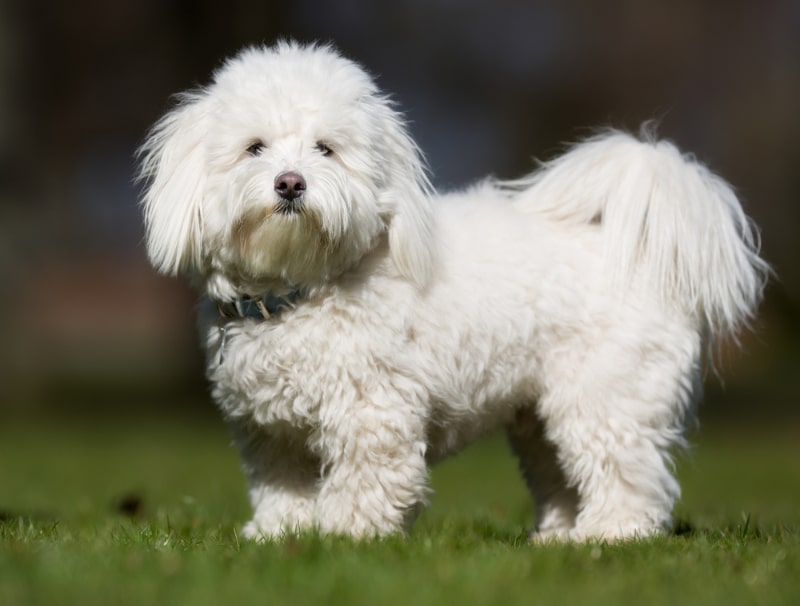
One glance is all it takes to understand how the Coton de Tulear earned its name, which translates to "cotton of Tulear" in French. (Tulear refers to the port city of Toliara in Madagascar.) Its standout physical feature is a profuse, cottony white coat that feels as soft as a cloud. The fluffy, textured hair covers the body and forms a halo around the alert, smiling face.
In adulthood, Cotons typically stand 9-11 inches tall and weigh anywhere from 8-15 pounds, with males slightly larger than females on average. The body is sturdy yet compact and elegantly proportioned. Dark round eyes, a black nose, and hanging ears covered in wavy hair complete the endearing look. Occasionally, traces of light gray or fawn markings appear on the ears and body but fade over time, leaving a pure white coat in maturity.
The luxurious coat does require diligent care to prevent matting and tangles. Plan to brush your Coton daily with a pin brush or slicker brush, gently working out any knots starting from the ends. Luckily, shedding is minimal, but regular brushing will still help remove loose hair. Periodic trims, especially around the mouth, feet and sanitary areas, keep the coat looking tidy. Baths every few weeks will maintain the brilliant white color.
Sunny Disposition: The Winning Personality of the Coton de Tulear
It‘s not just an adorable face that makes the Coton de Tulear so popular – this breed also possesses a delightful temperament. Cotons are known for their happy-go-lucky, clownish antics that bring laughter and smiles to their families. They thrive on human companionship and bond very deeply with their special people.
This is a lively, inquisitive little dog that loves to play games, romp with toys, and proudly show off newly learned tricks. Friendly and outgoing, Cotons usually get along well with gentle children, other dogs, and even cats, especially when socialized from a young age. They make alert watchdogs, quick to sound the alarm at any unusual noises or visitors, but are not aggressive. Some can be slightly reserved with strangers at first, but warm up quickly.
The Coton‘s eagerness to please and quick mind make training a fun, rewarding process. They pick up basic obedience and house training rapidly. The key is to keep sessions positive, upbeat and short to prevent boredom. Cotons have a sensitive nature and do not respond well to harsh corrections. Plenty of praise, tiny treats and favorite toys are great motivators.
Underneath that cheerful, carefree demeanor is an intuitive, emotionally attuned dog that seems to sense the feelings of their human family. They are excellent therapy dogs, providing comfort and gentle affection to those feeling sad, upset or unwell. Cotons have a calming presence and are often used to soothe patients in hospitals and nursing homes.
Cotons do have a tendency to attach strongly to their primary caregiver and dislike being left alone for long periods. They may develop separation anxiety and destructive habits like excessive barking or chewing if not taught how to feel secure when solo. Crate training, puzzle toys, hiding treats around the house, and keeping absences short can help your Coton feel more at ease when you need to leave.
Caring for Your Coton: Exercise, Health and Nutrition Needs
Don‘t be fooled by the dainty appearance – Cotons have a surprising amount of energy and stamina for a small breed. They need a good 30-60 minutes of exercise each day, broken up into a couple walks and some active playtime. Cotons love chasing balls, playing hide-and-seek, and going on adventures with their owners. Mental stimulation is just as important as physical, so be sure to rotate through different activities, toys and games to keep them engaged.
While generally a healthy, long-lived breed with a lifespan of 14-16 years on average, Cotons are still prone to certain health issues. Luxating patellas (slipping kneecaps), eye problems like progressive retinal atrophy, and heart conditions such as mitral valve disease are seen in the breed. Occasionally, skin allergies and ear infections crop up. Working with a reputable breeder who conducts health screening on their dogs reduces the risk of genetic disorders. Routine vet check-ups, dental care, parasite control, and vaccinations are musts to detect any potential concerns early.
When it comes to nutrition, Cotons have a hearty appetite for their size. High-quality, digestible protein from real meat sources should be the foundation of the diet. Many Cotons do well on kibble designed for small breeds, but others thrive on fresh, whole food diets under the guidance of a veterinary nutritionist. Portion control is a must to prevent weight gain, which stresses the joints. Avoid feeding table scraps and limit treats to training rewards and the occasional dental chew.
The Ideal Home for a Coton de Tulear
Now that you know the in-depth details of Coton care and characteristics, is this the right breed for you? Cotons make exceptional companions for households looking for a affectionate, portable pal to join in on all their adventures. They are adaptable to many living situations as long as their exercise and social needs are met.
Cotons are superb apartment dogs thanks to their compact size and moderate exercise needs. Access to daily walks and a small outdoor space for quick bathroom breaks is important. In homes with yards, Cotons love exploring and zooming around the grass, but should always be in a securely fenced area under supervision. They can be sensitive to both heat and cold due to their single coat.
Families with gentle, respectful children make good matches for Cotons, as they are playful and durable enough to be a kid‘s best buddy. Singles, couples and seniors seeking a loving lapdog will find much to adore about this sweet-natured breed. Cotons even get their name printed in the stars – a white dwarf star called COROT-7b was nicknamed "Coton" after this delightful dog.
Cotons are an uncommon breed, so expect to spend time on a waiting list with a responsible breeder. Prices vary by location and lineage, but often fall between $2000-$4000. Grooming, veterinary costs, supplies and food should also be factored into the lifetime budget.
Fascinating Facts and Pop Culture Presence
-
Coton de Tulears have a special "hopping" gait, where they spring up and down like little bunny rabbits when excited. It‘s impossible not to smile watching a Coton prance!
-
The breed‘s unique cottony coat is the result of a genetic mutation. Cotons also have lower levels of the dog allergen present in dander and saliva, making them a good potential choice for mild allergy sufferers. No dog is truly hypoallergenic, but Cotons come close.
-
In the 1990s, Madagascar released a postage stamp featuring the Coton de Tulear, honoring its status as the island‘s "royal dog" and national treasure.
-
Celebrity Coton owners include Barbra Streisand, Jane Fonda, and Carrie Fisher. Streisand‘s dog Sammie even appeared with her on the Oprah show.
-
A Coton de Tulear named Goma made headlines in 2022 when his owner, Mao Zhoushi, credited the dog with detecting her early stage breast cancer by repeatedly sniffing and pawing at her chest. Goma‘s vigilance resulted in a prompt diagnosis and successful treatment for Mao.
Conclusion
From the royal courts of Madagascar to the hearts and homes of modern dog lovers, the Coton de Tulear has made a splash with its captivating looks and endearing personality. This joyful, gentle breed bonds deeply with its family and provides limitless entertainment and affection. If you‘re seeking an intuitive, portable and downright huggable companion to join you on all life‘s adventures, the charismatic Coton might be your perfect match. With a sunny smile, lively spirit and cloud of fluffy white fur, the Coton de Tulear is a breath of fresh air in the dog world just waiting to float into your heart.