The Tenterfield Terrier: Australia‘s Charming Ratting Dog


Are you looking for a small but spirited canine companion with a fascinating history? Look no further than the Tenterfield Terrier! This delightful breed originated in Australia, where they were prized for their ratting abilities on farms. Today, they make wonderful family pets thanks to their loyal, affectionate personalities.
In this comprehensive guide, we‘ll cover everything you need to know about Tenterfield Terriers, including their origins, appearance, temperament, care requirements, and more. By the end, you‘ll see why this plucky little pooch has captured the hearts of dog lovers in their native Australia and beyond. Let‘s dive in!
History of the Tenterfield Terrier
The story of the Tenterfield Terrier begins in the late 19th century in New South Wales, Australia. During this time, British settlers brought various terrier breeds, including the now extinct Old English White Terrier, to help control vermin on their farms and homesteads. These hard-working dogs were the foundation stock of several Australian terrier breeds that developed over the decades.
One such breed was the Mini Foxie, the direct ancestor of today‘s Tenterfield Terrier. Mini Foxies were small, scrappy dogs ideally suited to flushing out rats and rabbits from their burrows. They were cherished as tireless workers but also loving companions to farming families across the Australian countryside.
In the early 1990s, a group of dedicated Mini Foxie enthusiasts led by Don Burke pushed to have the breed recognized as a distinct variety under the new name "Tenterfield Terrier." The name paid tribute to the town of Tenterfield, where the breed first rose to prominence. In 2002, the Tenterfield Terrier was officially acknowledged by the Australian National Kennel Council, cementing its status as a true-blue Aussie icon.
What Does a Tenterfield Terrier Look Like?
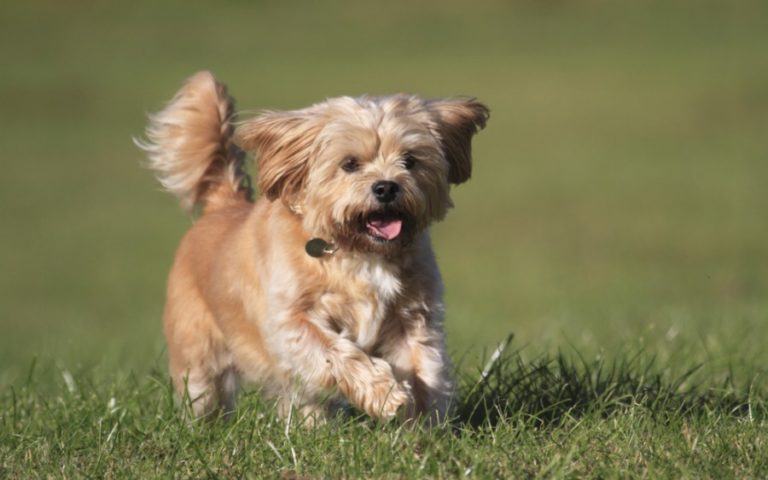
The Tenterfield Terrier is a small yet robustly built dog with a short, dense coat. Their appearance reflects their heritage as a working terrier bred for speed and agility. Here are some key physical characteristics of the breed:
- Size: Tenterfield Terriers typically weigh 7-10 pounds (3-5 kg) and stand 10-12 inches (25-30 cm) tall at the shoulder. Males are usually slightly larger than females.
- Coat: The coat is short, smooth and close-fitting with a dense undercoat. Common colors include black, tan, blue, and liver, often with white markings on the chest, feet, and sometimes face. Regular brushing keeps their coat looking tidy and controls shedding.
- Head: Tenterfield Terriers have a wedge-shaped head with a slightly rounded skull, tapering to a black nose. Their ears are small, V-shaped, and can be either erect or semi-erect.
- Eyes: The eyes are small, dark and oval-shaped with an alert, inquisitive expression.
- Tail: The tail is typically docked to about 4 inches (10 cm) long and carried upright, displaying the breed‘s confident nature. However, some Tenterfield Terriers may have a natural bobtail.

Overall, Tenterfield Terriers are sturdy, well-proportioned little dogs built for an active lifestyle. Their compact size belies an abundance of energy and enthusiasm for work and play alike.
The Classic Tenterfield Terrier Temperament
Tenterfield Terriers are known for their lively, affectionate personalities that make them a joy to be around. Like many terriers, they can have an independent streak, but they also thrive on human companionship and being part of the family action. Here are some notable traits of the Tenterfield Terrier temperament:
- Energetic and playful: Tenties love to play and have a seemingly endless supply of energy. They enjoy romping with their owners, chasing balls, and investigating every nook and cranny on walks. Regular exercise and mental stimulation are a must to keep them happy and out of mischief.
- Alert and vocal: With their keen senses and watchdog instincts, Tenterfield Terriers are quick to sound the alarm at any strange noises or unfamiliar visitors. Early training can help control excessive barking, but they‘ll always be vocal little dogs that like to have the last "word."
- Loyal and affectionate: Tenterfield Terriers become deeply devoted to their humans and love nothing more than being by your side. They enjoy snuggling on the couch as much as going on adventures together. Positive reinforcement and gentle guidance will bring out their sweet, eager-to-please nature.
- Fearless and determined: Don‘t be fooled by their size—Tenties have the typical terrier tenacity and a brave spirit to match. They won‘t back down from a challenge, whether that‘s digging after a rodent or holding their own in a game of tug-of-war. Proper socialization teaches them to play nicely with other dogs.
- Intelligent yet independent: As smart cookies, Tenterfield Terriers pick up on training quickly. However, they can also have a mind of their own and get easily distracted by exciting sights, sounds and smells. Keeping training sessions short, fun and rewarding is the key to harnessing their intelligence.

While no two individuals are exactly alike, these traits paint a picture of the charismatic Tenterfield Terrier personality. With their zest for life and loving nature, they can be a wonderful fit for active singles, couples and families who‘ll give them the attention and engagement they crave.
Caring for Your Tenterfield Terrier
Despite their abundant energy, Tenterfield Terriers are relatively low-maintenance dogs that are well-suited to various living situations. Whether you have a house with a yard or a smaller apartment, you can meet their needs with the right care and a consistent routine. Here‘s what to know about taking care of a Tenterfield Terrier:
Exercise and playtime
Tenterfield Terriers require at least 30-60 minutes of exercise each day to stay physically and mentally fit. A few brisk walks, some backyard playtime, and indoor romps or training sessions will help burn off their energy. Puzzle toys and interactive games provide important mental stimulation too. Without sufficient activity, Tenties may develop problem behaviors like excessive barking, digging or chewing.
Training and socialization
Like all dogs, Tenterfield Terriers benefit greatly from early socialization and positive training. Introduce them to different people, animals, places and situations from a young age so they grow up to be confident, well-adjusted companions. Puppy kindergarten and obedience classes are ideal for mastering basic manners and commands. Be patient, consistent and reward them with praise and treats when they get it right.
While Tenties have a stubborn side, they also love having a job to do and thrive with ongoing training. Nose work, agility, tricks—the possibilities are endless for channeling their energy and intelligence into bonding activities you‘ll both enjoy. Just keep sessions short and upbeat to hold their attention.
Grooming and hygiene
The Tenterfield Terrier‘s short coat is a breeze to maintain with just a weekly brushing to remove loose fur and keep it glossy. They‘ll shed moderately year-round and may blow their coat seasonally. Regular nail trims, ear cleanings and dental care are also important for their health and comfort. Baths are only needed a few times a year, unless your Tentie rolls in something stinky!
Feeding and nutrition
Feed your Tenterfield Terrier a high-quality, balanced dog food formulated for their life stage, size and activity level. Avoid overfeeding to prevent weight gain, as even a little extra can quickly add up on their small frames. Measure their portions and limit treats to 10% of their daily calorie intake. Always provide access to fresh, clean water.
Tenterfield Terrier Health and Lifespan
As a generally hardy breed, Tenterfield Terriers enjoy an average lifespan of 12-16 years with proper care. However, like all breeds, they can be prone to certain health issues. While not all Tenties will develop these problems, it‘s important for owners to be aware of them and work with their vet on prevention and prompt treatment.
Some potential health concerns in Tenterfield Terriers include:
- Patellar luxation – dislocation of the kneecap, which can cause lameness and arthritis
- Legg-Calve-Perthes disease – degeneration of the hip joint, leading to pain and mobility issues
- Hypothyroidism – underactive thyroid gland, causing weight gain, hair loss and lethargy
- Dental problems – small jaws make them prone to overcrowding, tartar buildup and gum disease
- Eye issues – conditions like glaucoma, lens luxation and progressive retinal atrophy
Choosing a responsible breeder who health tests their stock can help minimize the risk of inherited disorders. Providing your Tentie a nutritious diet, keeping them at a healthy weight, and scheduling regular vet check-ups also sets them up for a longer, happier life by your side.
Is a Tenterfield Terrier Right for You?
Now that you know all about the Tenterfield Terrier‘s history, characteristics, care needs and health, is this the right breed for your lifestyle? Tenties can be fantastic companions for many types of homes, but they‘re especially well-suited for owners who are:
- Active and outdoorsy, with time for daily walks and playtime
- At home more often than not, rather than gone for long workdays
- Willing to take on the challenge of training and mentally stimulating a smart, energetic dog
- Looking for a portable, affectionate sidekick to join in on all their adventures
- Prepared for a vocal watchdog that likes to make its presence known
On the other hand, a Tenterfield Terrier may not be the ideal choice if you:
- Live a sedentary lifestyle or lack the time and energy for an active dog
- Want a quiet, low-key pet that‘s content to be left alone for hours
- Prefer a dog that‘s naturally laid-back and doesn‘t require much training
- Have very young children that a small, bouncy dog could accidentally injure
- Already own prey animals like rabbits or rodents that could trigger a terrier‘s hunting instincts

Ultimately, the decision to welcome a Tenterfield Terrier into your life is a highly personal one. With their big hearts and even bigger personalities, these small but mighty Aussie originals have so much to offer the right homes. If you‘re ready to embrace the joys and quirks of terrier ownership with a faithful canine companion, the Tenterfield Terrier may be your perfect match. Reach out to reputable breeders or rescue organizations to learn more and find your new best friend!