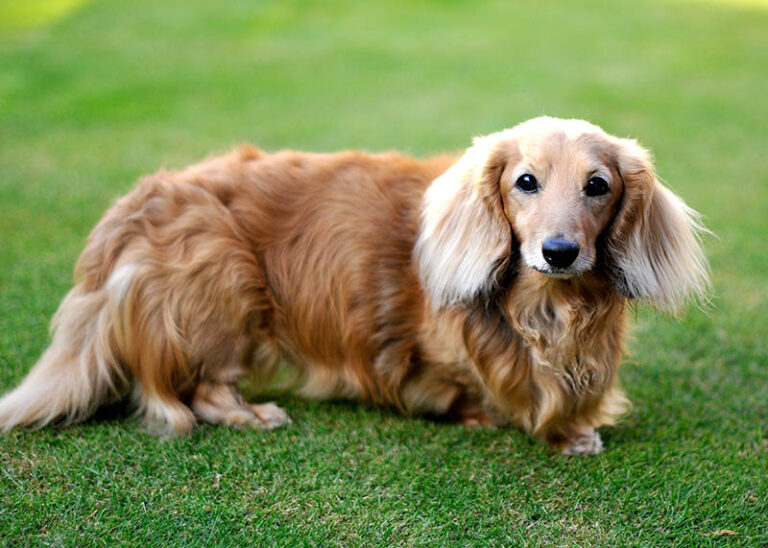
Cushing’s Disease in Dogs: Our Vet Explains the Signs, Diagnosis & Treatment

Cushing‘s Disease in Dogs: A Comprehensive Guide for 2024
As a veterinarian and dog lover, Cushing‘s disease is a condition I‘ve seen many devoted owners struggle with over the years. Watching your beloved companion‘s health and quality of life deteriorate due to an invisible illness is heartbreaking. But by learning all you can about the signs, causes, diagnosis, and treatment of this complex hormonal disorder, you can give your dog the best possible care and prognosis.
In this comprehensive guide, I‘ll walk you through everything you need to know about Cushing‘s disease in dogs, from the earliest symptoms to the latest treatment options. I‘ll focus on providing clear, actionable advice you can use to catch this condition early, work with your vet to pursue the best treatment plan, and optimize your dog‘s quality of life. While I‘ll touch on the complex biology involved, my goal is to make this guide accessible and useful for the average dog owner.
What is Cushing‘s Disease?
Cushing‘s disease, also known as hyperadrenocorticism, is a hormonal disorder that occurs when the body produces too much cortisol, a vital steroid hormone. Cortisol is produced by the adrenal glands, two small glands nestled on top of the kidneys. It plays an important role in regulating metabolism, blood sugar, blood pressure, inflammation, and stress response.
Normally, cortisol levels are tightly controlled by the pituitary gland in the brain, which sends signals to the adrenal glands to produce just the right amount. But in Cushing‘s disease, this intricate feedback loop is disrupted, leading to chronically elevated cortisol levels that can wreak havoc on the body. Over time, this takes a serious toll on your dog‘s health and well-being.
Signs and Symptoms of Cushing‘s Disease in Dogs
The signs of Cushing‘s tend to develop gradually, which can make early detection tricky. Many are also common in aging dogs in general. But if you know what to look for, you may be able to spot this condition in the early stages, when treatment is most effective. If your dog is showing any combination of the following symptoms, it‘s time to see your vet:
-
Increased thirst and urination: Often the first sign, as cortisol affects water balance. Your dog may empty the water bowl more often or have accidents in the house.
-
Increased hunger: Excess cortisol can cause almost insatiable hunger. Your dog may beg incessantly or get into the trash.
-
Potbellied appearance: Cortisol redistributes body fat, causing fat to accumulate in the abdomen while muscles are broken down, leading to a potbellied look.
-
Panting: Especially panting at rest or at odd times.
-
Skin changes: Look for thinning fur, complete hair loss (alopecia), darkened or thickened skin, or skin infections.
-
Muscle weakness: Muscle wasting and weakness may cause your dog to tire easily on walks or have difficulty jumping and climbing stairs.
-
Sluggishness and lethargy: Your once-spry pup may seem to slow down, sleep more, and have less zest for life.
While none of these signs are conclusive on their own, together they paint a picture of a dog whose body is not functioning as it should. If you have any concerns, don‘t hesitate to see your vet. And be sure to snap some pictures of any physical changes to show them – vets love a good before-and-after photo!
[Picture: Before and after photos of a dog with hair loss and potbelly from Cushing‘s]Causes of Cushing‘s Disease
In order to effectively diagnose and treat Cushing‘s, it‘s important to understand what‘s happening behind the scenes and the different potential causes. There are three main causes of Cushing‘s disease in dogs:
-
Pituitary Tumor (80-85% of cases):
The most common cause is a benign (non-cancerous) tumor of the pituitary gland, called a pituitary adenoma. The pituitary gland is a pea-sized gland at the base of the brain that acts as the "master gland," regulating hormone production throughout the body. When a tumor develops in the pituitary, it causes the gland to over-secrete adrenocorticotropic hormone (ACTH), which in turn stimulates the adrenal glands to pump out excess cortisol. In 10-15% of cases, the tumor is malignant and can spread to nearby brain tissue, leading to neurological symptoms. -
Adrenal Tumor (15-20% of cases):
Less commonly, a tumor in one of the adrenal glands is to blame. Again, this tumor may be benign or malignant. Instead of the pituitary gland calling the shots, the adrenal tumor autonomously produces excess cortisol, regardless of pituitary signaling. These tumors can be trickier to treat. -
Iatrogenic (<1% of cases):
On rare occasions, Cushing‘s may be an inadvertent side effect of high-dose or long-term steroid (glucocorticoid) treatment – usually prescribed by a vet to treat serious autoimmune or inflammatory conditions. While sometimes unavoidable, it underscores the need to use these powerful drugs judiciously and monitor for adverse effects.
Diagnosing Cushing‘s Disease
Your veterinarian can diagnose Cushing‘s disease by interpreting your dog‘s history, performing a thorough physical exam, and running some pivotal diagnostic tests. There is no single foolproof test for Cushing‘s (we‘re still working on that!), but by using the following tests in combination, we can arrive at a reliable diagnosis in most cases:
-
Routine lab work: Basic blood chemistry and urine tests provide a good overview of your dog‘s metabolism and flag any other underlying issues. Changes like high cholesterol, high blood sugar, high white blood cell count, and dilute urine would raise suspicion for Cushing‘s.
-
Urine cortisol:creatinine ratio: A specialized urine test that assesses if cortisol levels are higher than expected.
-
Low-dose dexamethasone suppression test (LDDS): This blood test evaluates if an injection of dexamethasone, a synthetic steroid, appropriately suppresses ACTH and cortisol production. If it doesn‘t, Cushing‘s is likely.
-
ACTH stimulation test: Measures the adrenal glands‘ response to an injection of synthethic ACTH. In Cushing‘s, cortisol will be excessively elevated. This helps differentiate Cushing‘s from non-adrenal illnesses.
-
Abdominal ultrasound: Allows visualization of the adrenal glands to check for a tumor.
-
MRI/CT: Advanced imaging of the brain can reveal pituitary enlargement or a tumor. This is usually done if an adrenal tumor has been ruled out and surgery on the pituitary is being considered.
Interpreting all these tests is both a science and an art. False positives can happen in stressed or sick dogs, so results are weighed along with the big clinical picture. An accurate diagnosis is critical for selecting the appropriate treatment.
[Picture: Ultrasound image of adrenal tumor] [Picture: MRI scan showing pituitary tumor in dog‘s brain]Treatment Options
The treatment for Cushing‘s depends on the underlying cause, as well as the severity of symptoms, age and overall health of the dog, and wishes of the owner. Here‘s a rundown of the most common approaches for each cause:
Pituitary Tumor:
-
Lifelong medication: The goal is to suppress cortisol production and control symptoms with medication, not to eliminate the tumor itself. Trilostane (Vetoryl) is the drug of choice, and regular monitoring with ACTH stimulation tests is needed to dial in the dose. Mitotane (Lysodren) is a second option that works by destroying part of the adrenal gland tissue. Clinical signs typically improve within 4-6 months.
-
Surgery: Removal of the pituitary tumor is becoming more common, especially with smaller, accessible tumors. The surgery is highly complex and requires an experienced veterinary neurosurgeon, but it can offer a cure.
-
Radiation therapy: Radiation directed at the pituitary gland can sometimes shrink the tumor, but is costly and not widely available.
Adrenal Tumor:
-
Surgery: Since medication is often ineffective for adrenal tumors, surgical removal of the affected gland is the treatment of choice. If the tumor is benign and confined to the adrenal gland, this can be curative. However, these surgeries carry substantial risk and aren‘t an option for every dog.
-
Medication: For dogs who aren‘t good surgical candidates, medication with trilostane or mitotane may be attempted to manage symptoms.
Iatrogenic Cushing‘s:
- The focus is on slowly tapering off the offending medication while still adequately controlling the initial condition. This requires careful veterinary supervision and regular lab work to monitor progress.
Prognosis
So what‘s the outlook for a dog diagnosed with Cushing‘s? It depends on many individual factors, but the good news is that most dogs with this condition can enjoy a good quality of life with appropriate treatment and monitoring.
For pituitary-dependent Cushing‘s, the average survival time with medication is about two years, with some dogs living several happy years beyond that. The earlier the condition is caught and treatment started, the better the long-term prognosis. Regular checkups with your vet are key, as medication dosing often needs to be adjusted over time. In the 10-15% of cases where the pituitary tumor is large and aggressive, the prognosis is sadly much poorer.
For adrenal tumors, benign tumors that are surgically removed carry an excellent prognosis, with many dogs being cured of Cushing‘s altogether. Malignant adrenal tumors that have spread carry a more guarded prognosis.
For iatrogenic Cushing‘s, the prognosis depends on how well the initial condition can be managed with alternative therapies.
But beyond the numbers, what really matters is quality of life. The goal of treatment is to restore your dog‘s joie de vivre – to get them playing, snuggling, and enjoying life to the fullest again. With good symptom control and a strong bond with your veterinarian, this is absolutely possible. Yes, having a dog with Cushing‘s takes a little extra work and vigilance. But for devoted owners, the love and companionship they get back is more than worth it.
Frequently Asked Questions
Q: What breeds are most prone to Cushing‘s disease?
A: While any dog can develop Cushing‘s, certain breeds seem to have a higher incidence, including:
- Poodles (especially miniature poodles)
- Dachshunds
- Boxers
- Boston terriers
- Yorkshire terriers
- Staffordshire terriers
- Golden retrievers
Q: Can Cushing‘s be cured?
A: In most cases, no. For pituitary-dependent Cushing‘s, lifelong medication is needed to manage symptoms. However, dogs who undergo successful surgery for a benign adrenal tumor or small pituitary tumor may be considered cured.
Q: My dog was just diagnosed with Cushing‘s. What should I do?
A: First, take a deep breath. With appropriate treatment and monitoring, most dogs with Cushing‘s disease can maintain an excellent quality of life. Work closely with your veterinarian to understand the treatment options and develop a plan. Be sure to administer medications exactly as prescribed and don‘t miss any follow-up appointments. Consider keeping a journal to track your dog‘s symptoms, energy level, appetite, and water intake to help guide treatment decisions. Most of all, keep loving on your sweet pup – they need your affection and care now more than ever!
Q: Are there any new treatments for Cushing‘s on the horizon?
A: Yes! Veterinary researchers are hard at work developing new and better treatments for this common condition. Here‘s a quick look at some of the most promising advances as of 2024:
- New targeted chemotherapy drugs that may better shrink adrenal tumors or extend survival times
- Improved surgical techniques using 3D mapping to enable removal of trickier pituitary tumors
- Clinical trials of gene therapy to suppress ACTH production in the pituitary gland
- Newer, more precise versions of trilostane that may enable lower doses and fewer side effects
While more research is still needed, it‘s an exciting time for Cushing‘s treatment. Stay tuned!
Conclusion
As a veterinarian for over 20 years, I know firsthand how challenging it can be to navigate a new diagnosis of Cushing‘s disease in your beloved dog. But I‘ve also seen countless dogs not just survive – but thrive – with this condition, thanks to the dedicated care of their humans and the incredible resilience dogs possess. By working closely with your veterinarian, educating yourself about the disease, and being proactive about treatment, you can absolutely maximize your dog‘s quality of life. It takes some extra effort, but the love and companionship you‘ll enjoy together make it all worthwhile. Remember, you and your dog are in this fight together – and with veterinary medicine advancing by the day, there is always hope on the horizon. Wishing you both all the best in your journey ahead!