The Basset Fauve de Bretagne: A Comprehensive Guide for Dog Lovers

As a self-proclaimed dog aficionado, I‘m always on the lookout for unique and captivating breeds that stand out from the crowd. The Basset Fauve de Bretagne, with its rich history, adorable appearance, and larger-than-life personality, certainly fits that bill. Though still a rarity in the United States, these charismatic French hounds are steadily winning the hearts of dog lovers seeking a lively, affectionate companion with a dash of hunting prowess.
A Hound of Humble Origins
The Basset Fauve de Bretagne‘s story begins in the rugged countryside of northwestern France during the 1700s. In the aftermath of the French Revolution, hunting was no longer a pastime reserved solely for the aristocracy. Commoners in the region of Brittany developed a smaller, rougher-coated version of the now extinct Grand Fauve de Bretagne hound to suit their needs as they tracked rabbits and other small game on foot.
These tenacious little scenthounds became known as the Basset Fauve de Bretagne, with "basset" referring to their short stature and "fauve" describing their distinctive fawn-colored coat. Bred for stamina, agility, and a keen nose, the Basset Fauve excelled at driving game from dense underbrush and traversing challenging terrain.
Though their numbers dwindled during the World Wars, dedicated breeders in France fought to preserve the Basset Fauve de Bretagne. Today, they remain relatively uncommon outside their native country but have steadily gained admirers in North America since first being imported in the 1980s.
A Petite Powerhouse
At first glance, the Basset Fauve de Bretagne may seem like a pint-sized pup, but don‘t let their size fool you. These compact hounds pack a lot of punch into their 30-40 pound frame. Standing 13-15.5 inches tall at the shoulder, they boast the strength and endurance of a serious hunter.
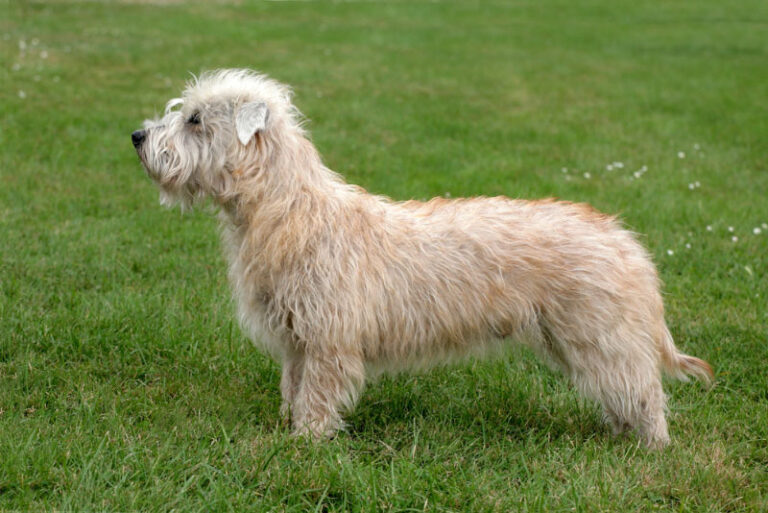
The Basset Fauve‘s rough, dense double coat comes in shades of fawn, from golden to red-brown, sometimes with darker highlights or white markings. This weatherproof hair provides protection from brambles and inclement conditions, a testament to the breed‘s rustic roots. Loose, elastic skin, long drop ears, and soulful dark eyes give the Basset Fauve an utterly charming expression.
Basset Fauve de Bretagnes are the smallest of the French basset-type hounds, but they hunt with the same fierce determination as their larger cousins. Their proportions are balanced and harmonious, with short, sturdy legs, a deep chest, and a slightly arched loin. The tail is carried high and tapering to a point, giving the breed an alert, jaunty air.
Personality Plus
Life with a Basset Fauve de Bretagne is never dull. These vivacious little hounds are known for their outgoing, affectionate nature and zest for adventure. They bond deeply with their humans and crave being part of all family activities. Loyal, good-natured, and even a bit comical, Basset Fauves aim to please – as long as it aligns with their own agenda.
As scent hounds through and through, Basset Fauve de Bretagnes live to follow their noses. They tackle trailing and tracking with intensity and single-minded focus, heedless of any obstacles in their path. This prey drive and penchant for pursuit necessitates a securely fenced yard and leashed walks.
Highly intelligent and independent, Basset Fauves can be a challenge to train. They bore easily with repetition and aren‘t above selective hearing when it suits them. Positive, reward-based methods are essential, as this sensitive breed won‘t tolerate harsh corrections. With patience, consistency, and plenty of praise, they learn quickly and enjoy showing off their skills.
Like many scenthounds, Basset Fauve de Bretagnes are vocal dogs prone to baying, howling, and barking, especially when excited or on a trail. Early training can help manage this tendency, but some noise is part of the hound package.
The Basset Fauve‘s exercise needs are moderate to high. Though they don‘t require hours of activity, these energetic hounds do best with active owners who provide them with ample physical and mental stimulation. Daily walks, playtime, and opportunities to run and explore are musts. Many Basset Fauves excel in dog sports such as tracking, rally, nose work, and barn hunt.
Health Matters
Basset Fauve de Bretagnes are generally a robust breed with an average lifespan of 12-14 years. As with any dog, however, they can be prone to certain health issues. Responsible breeders screen for conditions such as hip dysplasia, elbow dysplasia, eye disorders, and hypothyroidism.
Due to their elongated back and short legs, Basset Fauves are predisposed to intervertebral disc disease (IVDD). In a 2016 study of IVDD in French basset breeds, 3.8% of 788 Basset Fauve de Bretagnes were reported to be affected. While lower than rates in Basset Hounds (7.6%) and Petit Basset Griffon Vendéens (9.1%), it‘s still a risk factor to be aware of. Precautions like using ramps and avoiding high-impact activities can help protect the breed‘s sensitive spine.
Obesity is another concern, as excess weight puts added strain on the Basset Fauve‘s joints and back. Maintaining a healthy weight through proper diet and exercise is key. Fortunately, this breed‘s rough double coat requires minimal upkeep, with weekly brushing and occasional stripping sufficient to keep them looking tidy.
A Breed on the Rise
Though still a rare find in the U.S., the Basset Fauve de Bretagne is gradually gaining recognition. The United Kennel Club accepted the breed in 1996, with the American Kennel Club following suit in 2017 by adding them to the Foundation Stock Service. In 2019, the AKC moved the Basset Fauve into the Miscellaneous Class, the final step before full registration.
As of 2023, the Basset Fauve de Bretagne ranks 193rd out of 199 AKC-recognized breeds in terms of popularity. While their numbers may be small, their devoted fans are working diligently to preserve and promote this special hound.
"The Basset Fauve is such a unique, versatile breed," says breeder Jenna Schofield of Massachusetts. "They have the drive and nose of a serious hunter but are also incredibly affectionate and playful companions. They truly give you the best of both worlds."
When asked what advice she would give to potential owners, Schofield emphasizes the importance of understanding the breed‘s needs. "Basset Fauves require a lot of interaction and exercise. They‘re not content to just lie around all day. You need to be prepared to keep their bodies and minds active."
Finding Your Forever Friend
If you‘re considering adding a Basset Fauve de Bretagne to your life, be prepared to do your homework. With only a handful of breeders in North America, you may need to travel or wait for the right puppy. It‘s a labor of love that Basset Fauve enthusiasts say is well worth the effort.
"My Basset Fauve is my heart dog," says owner Samantha Liu. "From the moment I met her, I was smitten. She makes me laugh every single day with her antics and snuggles up to me every night. I can‘t imagine life without her."
For active individuals or families seeking a lively, loving companion with a dash of noble hunting spirit, the Basset Fauve de Bretagne is a breed like no other. Though small in size and numbers, these plucky French hounds have an outsized zest for life that‘s truly contagious. With their charming good looks, endearing personality, and willingness to go boldly wherever their noses lead, Basset Fauve de Bretagnes are poised to win many more American hearts in the years to come.