
Discovering the Allure of Wolf Sable Pomeranians: A Comprehensive Guide
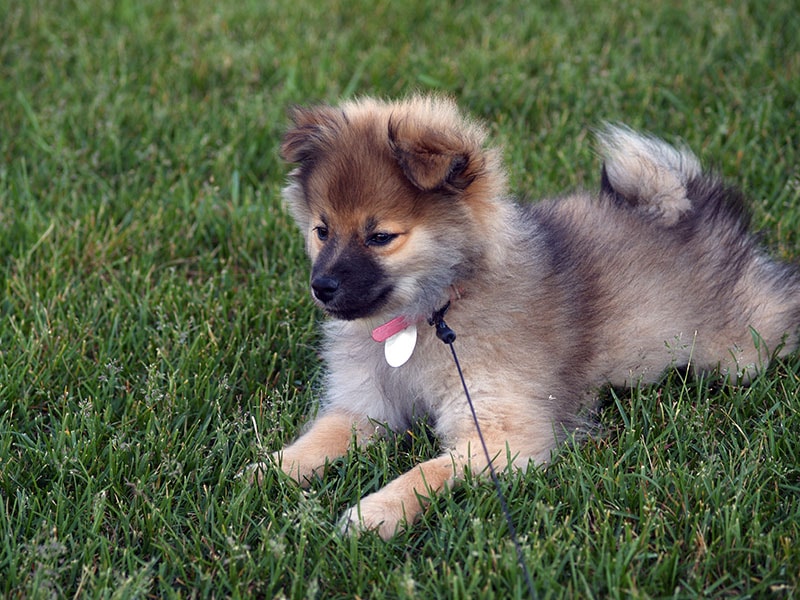
As a veterinarian and lifelong dog devotee, I‘ve always been enchanted by the diminutive yet majestic Pomeranian. And among the many beautiful color varieties in this spunky breed, the wolf sable stands out as a truly stunning example of nature‘s artistry. With their silvery undercoat, dark guard hairs, and black-tipped "wolfish" appearance, wolf sable Poms seem to carry the untamed spirit of their Arctic ancestors in a pint-sized package.
But what exactly makes a wolf sable Pomeranian so special, beyond their striking coat? As we‘ll explore in this in-depth guide, the answer lies in a fascinating history, a unique set of physical and personality traits, and some special care considerations for this lovely toy breed. Whether you‘re already a proud Pom owner or are considering welcoming one of these lively little charmers into your life, read on to discover all you need to know about wolf sable Pomeranians.
The History and Origins of Pomeranians
To truly understand the wolf sable Pomeranian, we must first delve into the rich history of this ancient breed. Pomeranians belong to the Spitz family of dogs, which originated in the Arctic regions of Iceland, Lapland, and Siberia. These hardy, thick-coated dogs were bred to pull sleds, herd reindeer, and serve as watchdogs and companions in harsh northern climates.
The breed takes its name from the Pomerania region (now part of Germany and Poland), where Spitz dogs were eventually downsized to create the toy-sized Pomeranian we know today. This process of miniaturization likely began in the 1700s, with the breed becoming well-established by the 1800s.
Pomeranians gained international fame thanks to Queen Victoria of England, who fell in love with the breed during a trip to Italy in 1888. The Queen brought several Poms back to England and began breeding and showing them, favoring smaller and smaller sizes. Many of Queen Victoria‘s Poms were sables, and it‘s believed that her influence helped popularize this striking color pattern.
Some key milestones in Pomeranian history:
- First recognized by the American Kennel Club in 1888
- Pomeranian Club of America established in 1900
- Breed standard set in 1905, with sable recognized as an accepted color
- Pomeranians exhibited at the first Crufts dog show in 1891
- Famous Pom owners include Mozart, Michelangelo, Marie Antoinette, and Queen Victoria
Today, Pomeranians consistently rank among the most popular toy breeds worldwide, beloved for their fluffy coats, outgoing personalities, and adaptability to various living situations. And the wolf sable color remains a sought-after and admired variation within the breed.
Physical Characteristics of Wolf Sable Pomeranians
So, what exactly sets a wolf sable Pom apart from their red, orange, cream, and black counterparts? Let‘s take a closer look at the genetics and physical traits that define this unique color pattern.
In Pomeranians, the sable gene is dominant over other coat colors. Sable refers to a banding pattern on each individual hair shaft, with darker pigment at the tip fading to a lighter color at the root. The exact shades and proportion of light and dark banding can vary from dog to dog.
In wolf sables, the darkest portion of each hair is black, while the lighter sections are a silvery gray, creating a contrasting, "wolfish" effect. Some key physical characteristics of wolf sable Poms include:
- Outer coat with black-tipped guard hairs, giving a "wild" appearance
- Undercoat in shades of light to medium gray
- May have some tan or bronze shading on face and legs
- Nose, eye rims, and lips are black
- Eyes are typically dark and almond-shaped
Of course, all Pomeranians share certain breed traits regardless of coat color. Here‘s a quick overview of Pom physical characteristics:
- Height: 8-11 inches
- Weight: 3-7 pounds
- Compact, sturdy body with a short back
- Fluffy, thick double coat
- Plumed tail carried over the back
- Foxy, alert facial expression
- Erect, pointed ears
- Lively, prancing gait
Pomeranian Size and Proportion
While breed standard calls for Poms to stand 8-11 inches tall and weigh 3-7 pounds, there can be some variation in size. Many pet Pomeranians fall on the larger side of this range, while show dogs are often bred to be smaller and more compact.
Here‘s a general size chart for adult Pomeranians:
| Height (inches) | Weight (pounds) | Proportion |
|---|---|---|
| 8-9 | 3-4 | Toy |
| 9-10 | 4-5 | Toy |
| 10-11 | 5-7 | Standard |
It‘s important to note that very tiny "teacup" or "micro" Pomeranians (typically under 3 pounds) are not recognized by breed standards and may face increased health risks. Responsible breeders aim to produce Poms that meet the standard size range for optimal health and longevity.
The Wolf Sable Coat: Genetics and Grooming
As mentioned, the sable color pattern is dominant in Pomeranians. This means that a Pom only needs one copy of the sable gene to express the sable coat, even if the other parent is a different color.
However, the intensity and distribution of sable shading can vary depending on other genetic factors. Some wolf sables may have a darker, more dramatic contrast between their black and gray hairs, while others may have a subtler, more blended appearance. Genetics also influence where sabling appears on the body, with some wolf sables having darker faces, ears, or tails.
Regardless of the exact shade and pattern, all wolf sable Poms require regular grooming to maintain their lush double coats. Here are some expert tips for keeping your Pom‘s coat healthy and beautiful:
- Brush at least 2-3 times per week with a pin brush or slicker brush
- Use a wide-toothed comb to gently detangle any mats or knots
- Bathe every 3-4 weeks with a mild, dog-safe shampoo
- Consider a leave-in coat conditioner to add shine and softness
- Trim hair around the eyes, ears, paws, and sanitary areas as needed
- Brush teeth daily and trim nails every 2-4 weeks for overall hygiene
While Pomeranians are moderate to heavy shedders, regular brushing can help control loose hair and keep your wolf sable‘s coat looking its best. Just be sure to use gentle pressure and work in sections, as Poms can have delicate skin underneath all that fluff!
The Lively and Loving Pomeranian Personality
Pomeranians may be small in stature, but they more than make up for it with their big personalities. These spunky little dogs are known for their intelligence, curiosity, and bold spirit. They‘re often described as "big dogs in small bodies" due to their confident and self-assured nature.
Some key Pomeranian personality traits include:
- Alert and inquisitive, always ready for a new adventure
- Affectionate and devoted to their human companions
- Playful and energetic, enjoying regular walks and playtime
- Clever and trainable, but can have an independent streak
- May be reserved or suspicious around strangers
- Tend to bark at new sights and sounds, making good watchdogs
As a veterinarian, I‘ve found that Pomeranians thrive with positive reinforcement training and lots of socialization from an early age. They can have a stubborn side, so patience and consistency are key when teaching basic obedience and house manners.
Despite their fluffy lapdog appearance, Poms do need daily exercise and mental stimulation to stay happy and well-behaved. A bored or under-exercised Pom may resort to excessive barking, chewing, or other destructive habits. Aim for at least 20-30 minutes of walking or active play each day, broken up into several short sessions.
With proper training and socialization, wolf sable Pomeranians make wonderful companion dogs for many types of households. They‘re adaptable to city or country life, do well in apartments or houses, and bond closely with their owners. Just be sure to supervise any interactions with young children, as Poms can be easily injured by rough handling.
Pomeranian Health and Lifespan
Like all purebred dogs, Pomeranians may be prone to certain genetic health conditions. However, responsible breeders work hard to screen for and reduce the incidence of these issues through selective breeding and genetic testing.
Some potential health concerns in the breed include:
- Luxating patellas (slipping kneecaps)
- Tracheal collapse
- Dental issues like overcrowding, tooth decay, and gum disease
- Hypothyroidism
- Allergies and skin problems
- Alopecia X (hair loss)
- Heart disease
It‘s important for Pom owners to be aware of these risks and to work with their veterinarian on a preventative care plan. Regular check-ups, screenings, and a healthy lifestyle can go a long way in catching any potential issues early.
On the plus side, Pomeranians are generally a hardy and long-lived breed when given proper care. The average lifespan for a Pom is 12-16 years, with many individuals living even longer. In a 2010 UK Kennel Club survey, the median age at death for Pomeranians was 14.4 years.
Some key factors in promoting a long and healthy life for your wolf sable Pom include:
- Feeding a high-quality, age-appropriate diet
- Maintaining a healthy weight (obesity can exacerbate joint and breathing issues)
- Providing regular exercise and mental stimulation
- Keeping up with dental hygiene and professional cleanings
- Staying current on vaccinations and parasite prevention
- Addressing any health concerns promptly with your vet
With a committed and proactive approach to health and wellness, you can help your wolf sable Pomeranian live a long, happy, and active life by your side.
Is a Wolf Sable Pomeranian Right for You?
Now that we‘ve explored the history, personality, grooming needs, and health considerations of wolf sable Pomeranians, you may be wondering if this striking toy breed is the right fit for your lifestyle and family.
Pomeranians can make wonderful companions for a wide variety of homes, but they‘re especially well-suited to owners who:
- Appreciate a small but spunky and outgoing dog
- Can provide daily walks and playtime
- Enjoy spending lots of time with their dog
- Are willing to put in the time for training and socialization
- Don‘t mind some shedding and moderate grooming needs
- Have a securely fenced yard or safe indoor space for play
- Are looking for a loyal and affectionate lapdog
On the flip side, Poms may not be the best choice for homes with very young children, as they can be easily injured by rough handling. They also may not be ideal for owners who are away from home for long periods, as they thrive on human companionship.
If you‘ve decided that a Pomeranian is the right breed for you, be sure to do your research and choose a responsible breeder who health tests their dogs and prioritizes temperament. Avoid pet stores or online ads promising "teacup" or "rare" colors, as these may be red flags for unethical breeding practices.
You can also consider adopting an adult Pomeranian from a breed-specific rescue organization. Many wonderful Poms find themselves in need of new homes due to changes in their owners‘ lives, and rescues can help match you with the perfect companion for your lifestyle.
Conclusion: Embracing the Magic of Wolf Sable Pomeranians
From their captivating coat to their larger-than-life spirit, wolf sable Pomeranians are truly a special member of the dog world. These petite but powerful pups have a rich history, a striking appearance, and a personality that‘s sure to keep you laughing and loving every day.
As a veterinarian and lifelong dog lover, I‘m constantly amazed by the resilience, adaptability, and irrepressible joy that Pomeranians bring to their families. Whether they‘re exploring the great outdoors, learning a new trick, or simply snuggling up for a nap, these little wolves in miniature form have a zest for life that‘s truly contagious.
Of course, welcoming any dog into your home is a big responsibility, and wolf sable Pomeranians are no exception. By educating yourself on their unique needs, partnering with a trusted veterinarian, and providing plenty of love and care, you can set your Pom up for a long and happy life.
So if you‘re ready to embrace the magic and wonder of wolf sable Pomeranians, I encourage you to take the leap and open your heart to one of these special little dogs. With their fluffy coats, soulful eyes, and boundless spirits, they just might become your most cherished companion for life.


