Alaskan Dog Breeds: A Fascinating Journey Through History and Endurance
Alaska, with its breathtaking landscapes and unforgiving climate, has been home to some of the most remarkable dog breeds in the world. These canine companions have not only played a crucial role in the state‘s history and cultural heritage but have also captured the hearts of dog lovers worldwide. In this comprehensive guide, we‘ll delve into the fascinating world of Alaskan dog breeds, exploring their origins, unique characteristics, and the invaluable roles they continue to play in modern times.
The Alaskan Malamute: A Powerhouse of Strength and Endurance
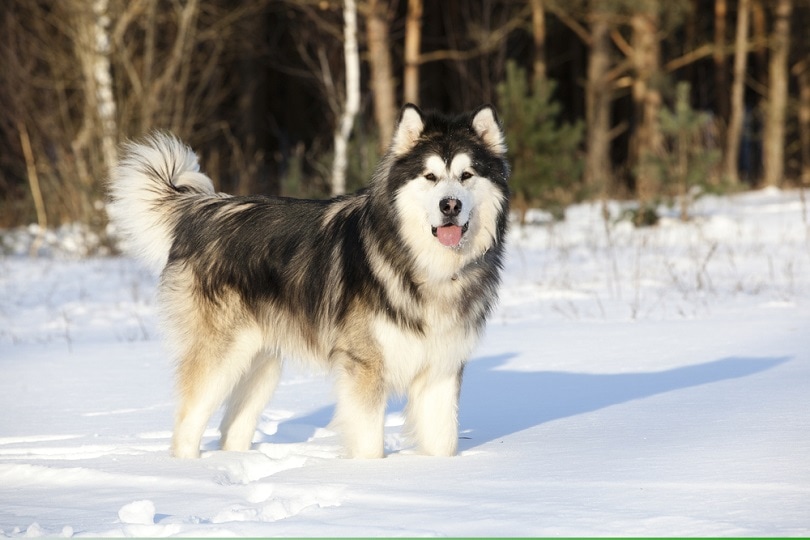
The Alaskan Malamute, a large and muscular breed, is perhaps the most well-known of the Alaskan dog breeds. Originating from the Arctic regions, Malamutes were bred by the Mahlemut Inupiaq people to haul heavy loads across vast expanses of snow and ice. These powerful dogs are built for endurance, with a thick, double coat that protects them from the harsh Alaskan climate.
Malamutes played a vital role in the survival and prosperity of Alaskan Native communities, serving as reliable transportation for people and goods in a land where other modes of travel were often impossible. They were also used for hunting, helping to track and retrieve large game such as polar bears and seals. The breed‘s strength and endurance were instrumental in the famous Serum Run of 1925, where a team of Malamutes and other sled dogs delivered life-saving diphtheria antitoxin to the town of Nome, covering over 600 miles in just five and a half days.
Today, there are an estimated 5,000 Alaskan Malamutes in the United States, with a global population of around 20,000 (Source: Alaskan Malamute Club of America). These dogs have an average lifespan of 10-12 years and are prone to health issues such as hip dysplasia, cataracts, and hypothyroidism. Responsible breeding practices and regular check-ups with a veterinarian can help mitigate these concerns and ensure a long, healthy life for these majestic dogs.
Malamutes are not only impressive in their physical capabilities but also in their loyal and friendly temperament. They have a strong pack mentality and thrive on human companionship, making them wonderful family pets. However, their size and high energy levels require dedicated owners who can provide them with plenty of exercise and mental stimulation. As Dr. Jerry Klein, Chief Veterinary Officer of the American Kennel Club, notes, "Alaskan Malamutes are incredibly intelligent and active dogs. They need a job to do, whether it‘s pulling a sled or going on long hikes with their owners. Without proper exercise and stimulation, they can become bored and destructive."
The Alaskan Husky: A Versatile Breed Built for Speed and Stamina
The Alaskan Husky is a unique breed that has been developed over generations to excel in sled dog racing and transportation across Alaska‘s challenging terrain. Unlike the Siberian Husky, which is a recognized purebred, the Alaskan Husky is a mongrel breed that has been shaped by the influence of various other breeds, such as the Alaskan Malamute, English Pointer, German Shepherd, Saluki, and Greyhound.
This diverse genetic background has resulted in a highly adaptable and efficient sled dog, with two distinct bloodlines: one bred for sprinting and the other for long-distance endurance. Alaskan Huskies are leaner and more agile than their Siberian counterparts, with a focus on performance rather than appearance.
The Alaskan Husky‘s role in sled dog racing cannot be overstated. These dogs have been instrumental in events like the Iditarod, a grueling 1,000-mile race across Alaska‘s wilderness. Their speed, stamina, and resilience have made them the breed of choice for many mushers and have earned them a place in Alaskan history and legend. In the 2021 Iditarod, Alaskan Huskies made up 98% of the nearly 800 dogs that competed (Source: Iditarod.com).
| Statistic | Value |
|---|---|
| Average speed of an Alaskan Husky team | 10-14 mph |
| Average distance covered per day | 100-125 miles |
| Record time for the Iditarod (2019) | 7 days, 14 hours, 8 minutes, 57 seconds |
| Number of dogs per team in the Iditarod | 12-16 |
Alaskan Huskies are not just exceptional athletes; they are also known for their friendly and outgoing personalities. As Libby Riddles, the first woman to win the Iditarod, puts it, "Alaskan Huskies are the most incredible dogs. They love to run, they love to please, and they have an unbreakable bond with their human teammates."
The Alaskan Klee Kai: A Pint-Sized Companion with a Big Personality
For those who admire the beauty and intelligence of the Siberian Husky but prefer a smaller companion, the Alaskan Klee Kai is an excellent choice. Developed in the 1970s by Linda Spurlin, the Klee Kai was bred to be a miniature version of the Siberian Husky, with a size range of 5 to 22 pounds.
Despite their small stature, Alaskan Klee Kais are lively, curious, and highly intelligent. They excel in agility training and enjoy being active, making them ideal for owners who can keep up with their energetic nature. Like many spitz breeds, Klee Kais can be somewhat independent and stubborn at times, but they respond well to positive reinforcement training.
As a relatively new breed, the Alaskan Klee Kai may be prone to certain health issues due to selective breeding, such as juvenile cataracts, liver disease, and heart problems. Prospective owners should research reputable breeders who prioritize the health and well-being of their dogs. The Alaskan Klee Kai Association of America (AKKAOA) maintains a directory of responsible breeders and provides resources for potential owners.
The Alaskan Klee Kai has gained popularity in recent years, with celebrities like Miley Cyrus and Jenna Marbles sharing their love for the breed on social media. This increased visibility has led to a surge in demand, with the AKKAOA reporting a 300% increase in membership applications between 2019 and 2020.
Other Alaskan Dog Breeds: Greenland Dog and Canadian Eskimo Dog
While the Alaskan Malamute, Alaskan Husky, and Alaskan Klee Kai are the most well-known Alaskan dog breeds, there are other breeds that have played significant roles in the state‘s history and culture. The Greenland Dog, also known as the Greenland Husky, is an ancient breed that has been used by the Inuit people for hunting and transportation in the Arctic regions. Similarly, the Canadian Eskimo Dog, or Qimmiq, has been a vital part of Inuit life in Canada and Alaska for thousands of years.
These breeds, although not as popular as their Alaskan counterparts, are still valued for their strength, endurance, and adaptability to the harsh Arctic climate. Conservation efforts are ongoing to preserve the purity and health of these rare breeds, recognizing their importance in the cultural heritage of the Indigenous peoples of the Arctic.
The Importance of Alaskan Dog Breeds in Modern Times
Alaskan dog breeds continue to play a significant role in modern times, both in their native state and around the world. In Alaska, these dogs are still used for sled dog racing, recreational mushing, and as working dogs in remote communities. The Iditarod, the most famous sled dog race in the world, continues to celebrate the endurance and spirit of these remarkable canines.
Beyond their working roles, Alaskan dog breeds have also become beloved companions for families worldwide. Their unique appearance, friendly temperament, and loyalty have made them popular choices for those seeking a distinctive and adventurous canine partner.
As the world changes and the climate in Alaska faces new challenges, the importance of preserving these breeds becomes increasingly evident. Efforts to maintain the purity and health of Alaskan dog breeds are crucial to ensuring their continued existence and their ability to thrive in their native environment. Organizations like the Alaskan Malamute Club of America and the Alaskan Klee Kai Association of America are dedicated to promoting responsible breeding practices and educating the public about these extraordinary dogs.
Caring for an Alaskan Dog Breed: What You Need to Know
If you‘re considering bringing an Alaskan dog breed into your life, it‘s essential to understand their specific needs and requirements. These dogs have been bred to withstand the harsh Alaskan climate, and as such, they have thick, dense coats that require regular grooming to prevent matting and keep them comfortable. Brush your Alaskan dog‘s coat at least twice a week, and more frequently during shedding seasons. Investing in a high-quality slicker brush and undercoat rake can make grooming easier and more effective.
Alaskan dog breeds are also known for their high energy levels and need for physical activity. Daily exercise, whether in the form of long walks, runs, or playtime, is crucial for their physical and mental well-being. Without adequate exercise, these dogs may become bored or destructive. As a general rule, Alaskan Malamutes and Alaskan Huskies require at least 60-90 minutes of exercise per day, while Alaskan Klee Kais need around 30-60 minutes.
Proper nutrition is another key aspect of caring for an Alaskan dog breed. These active dogs require a diet rich in protein and fat to maintain their energy levels and support their muscular bodies. Look for high-quality dog foods that list meat as the first ingredient and avoid brands with fillers or artificial preservatives. Consult with your veterinarian to determine the appropriate serving sizes based on your dog‘s age, weight, and activity level.
Socialization and training are also critical aspects of caring for an Alaskan dog breed. These intelligent and independent dogs require consistent, positive reinforcement training to ensure they develop into well-behaved and well-adjusted companions. Socialization from an early age can help prevent shyness or aggression towards other dogs and people. Enroll your Alaskan dog in puppy socialization classes or organize playdates with other friendly dogs to help them develop important social skills.
For those living in warmer climates, it‘s important to consider the impact of heat on these cold-weather breeds. Alaskan dog breeds may struggle in high temperatures and humidity, so it‘s essential to provide them with a cool, comfortable environment and limit their outdoor activities during the hottest parts of the day. Never shave your Alaskan dog‘s coat, as this can interfere with their natural temperature regulation and increase their risk of sunburn and skin cancer.
Conclusion: A Tribute to Alaskan Dog Breeds
Alaskan dog breeds are a testament to the enduring spirit and adaptability of man‘s best friend. From the powerful Alaskan Malamute to the speedy Alaskan Husky and the pint-sized Alaskan Klee Kai, these breeds have captured the hearts and imaginations of dog lovers worldwide.
Their unique histories, intertwined with the lives of the Indigenous peoples of Alaska, reveal a story of resilience, partnership, and survival in one of the world‘s most challenging environments. As we continue to appreciate and learn from these remarkable dogs, it is our responsibility to ensure their well-being and preservation for generations to come.
Whether you‘re an experienced dog owner or simply an admirer of these majestic breeds, understanding the history, characteristics, and needs of Alaskan dog breeds is an enriching and enlightening journey. By celebrating their past and embracing their presence in our lives today, we honor the unbreakable bond between humans and their canine companions, a bond that has endured through the ages and across the vast expanses of Alaska‘s wild frontier.