
The Bolognese: Italy‘s Rarest Companion Breed
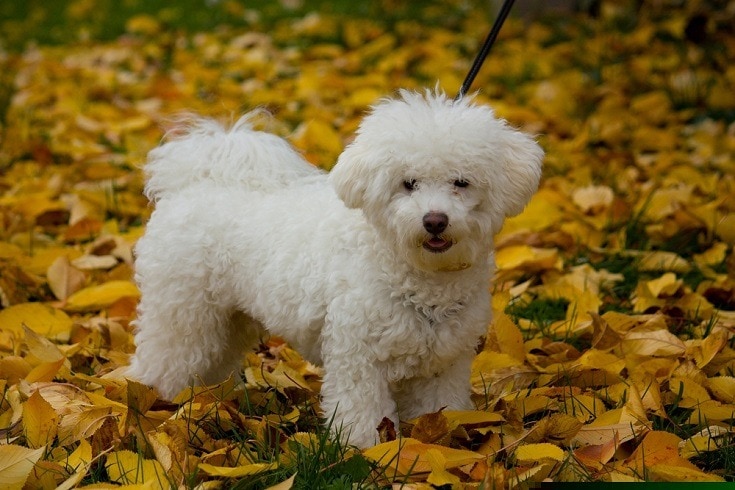

Imagine an adorable cotton ball with the sweetest disposition come to life and you have the Bolognese. With their pure white, fluffy coats and round, dark eyes, it‘s no wonder this toy breed has been the pampered companion of choice for centuries among Italian nobility and celebrities alike.
But there‘s much more to the Bolognese than their charming looks. As one of Italy‘s rarest dog breeds, the Bolognese remains a bit of a mystery to many dog lovers. Let‘s pull back the curtain and explore the history, traits and care of these delightful dogs who live to give love.
A Noble History
The Bolognese dog breed may take its name from the city of Bologna, Italy, but its story does not begin there. In fact, the origins of this ancient toy breed are a bit murky. What we do know is that small, white companion dogs resembling the Bolognese have existed in the Mediterranean region for over 2000 years.
According to Dr. Javier Sanchez, an expert on European dog breeds at the Complutense University of Madrid, "The Bolognese is believed to be a descendant of the ancient Melitaean dogs that were brought to Italy by Roman soldiers returning from the island of Malta. Over time, selective breeding in the Bologna region led to the fluffy white dogs we know today."
Indeed, dogs matching the description of the Bolognese can be found in paintings and tapestries dating back to the Italian Renaissance of the 14th-17th centuries. They appear to have been the lapdogs of choice for aristocratic families like the Medicis and the Gonzagas.
Even Queen Catherine the Great of Russia (1729-1796) was smitten with the breed. It‘s said she had a pair of Bolognese named Lizette and Zémire who wore golden collars, slept on velvet pillows and were attended by their own servants.
The Bolognese would continue to grace the laps of royalty, including those of Madame de Pompadour and Empress Maria Theresa of Austria. Marilyn Monroe and, more recently, Nicole "Snooki" Polizzi have also shared their hearts and homes with Bolognese.
Breed Characteristics

The Bolognese is a member of the Bichon family of dogs, which also includes the Bichon Frise, Maltese, Havanese and Coton de Tulear. As such, they are often mistaken for their cousins. However, the Bolognese has some unique traits that set them apart.
According to the American Kennel Club breed standard, the Bolognese is a small, compact dog with a distinctive fluffy white coat. They stand 10-12 inches tall at the shoulder and weigh between 5.5-9 pounds, with females typically smaller than males.
The Bolognese‘s single coat is long, dense and slightly wavy, giving them a plush, stuffed animal-like appearance. The hair on the head and face is often so long it covers the eyes and forms a beard and mustache. Underneath all that fluff, the Bolognese has a sturdy, square body with short, straight legs.
One of the most endearing qualities of the Bolognese is their expressive face. Their dark, round eyes convey a gentle, inquisitive soul that just wants to love and be loved. The ears are droopy and covered in long hair, framing the face. The nose and lips are black.
Temperament and Training

The Bolognese was bred for one purpose and one purpose only: companionship. As such, their temperament is wholly devoted to their humans. They thrive on being near their owners as much as possible, following them room to room and curling up on laps or at feet.
This devotion is a double-edged sword, however. Dr. Jerry Klein, Chief Veterinary Officer for the American Kennel Club, notes "The Bolognese can suffer from severe separation anxiety if left alone for long periods. They really need an owner who is home often and can take them along when running errands."
Despite their attachment, the Bolognese is not considered a "yappy" dog. They will alert bark if they sense something is amiss, but are generally quiet and well-behaved. Early socialization is important to build confidence in new situations.
With their people-pleasing nature, the Bolognese is a highly trainable breed. They are intelligent and quick to learn household rules and basic commands. Positive reinforcement using praise, petting and small treats is the most effective training approach.
Like any dog, the Bolognese needs gentle but firm leadership. They can develop a stubborn streak or appear "deaf" if allowed to get their way too often. Establishing consistent boundaries and rewarding good behavior will result in a polite, well-rounded companion.
Exercise and Health

The Bolognese may have been bred as a lapdog, but they still enjoy a romp or two throughout the day to stay mentally and physically fit. A few short walks and some indoor playtime is usually enough to meet their exercise needs.
Callie Harris, DVM, a veterinarian with Purina Petcare, recommends "30 minutes of low-impact activity per day for the Bolognese to maintain a healthy weight and muscle tone. Breaking this up into a couple 15-minute walks or play sessions is ideal."
As a small breed, it‘s crucial not to let the Bolognese become overweight, which can strain their joints and lead to health issues. Keeping them lean and feeding a high-quality small breed or toy dog formula can help the Bolognese live 12-14 years or more.
Some of the inherited health conditions the Bolognese may be prone to include:
| Condition | Symptoms |
|---|---|
| Luxating Patellas | Limping, skipping, abnormal gait |
| Progressive Retinal Atrophy (PRA) | Night blindness, dilated pupils, cataracts |
| Hypothyroidism | Weight gain, hair loss, lethargy |
| Dental Disease | Bad breath, loose teeth, abnormal chewing |
Finding a reputable Bolognese breeder who performs genetic health screening on their dogs can reduce the risk of puppies inheriting some of these issues. Regular vet care, dental hygiene and feeding a complete and balanced diet formulated for small breeds also goes a long way in preventing health problems.
Grooming a Bolognese

The glamorous white coat of the Bolognese comes with some intensive grooming requirements to keep it looking its best. Daily brushing and combing is recommended to prevent tangles and mats from forming. Starting this routine from puppyhood will help your Bolognese accept grooming calmly.
Baths should be given every 3-4 weeks using a gentle dog shampoo formulated for white coats. After the bath, blow dry the coat completely to avoid any moisture near the skin which can lead to fungal infections or skin irritation.
Many Bolognese owners opt for a "puppy cut" which trims the coat short all over for easier maintenance. This can be done with clippers at home or by a professional groomer every 4-6 weeks. Even with a shorter trim, regular brushing is still necessary.
In addition to coat upkeep, the Bolognese also requires:
- Dental care: Brushing teeth daily or giving dental chews/water additives to prevent plaque and decay, especially common in toy breeds
- Nail trims: Clipping the nails every 2-4 weeks to prevent overgrowth and splitting
- Ear cleaning: Checking ears weekly for wax buildup, debris or signs of infection and wiping with a damp cloth or canine ear cleaner
- Eye care: Wiping the corner of the eyes daily with a damp cloth to prevent tear stains on the white coat
While no dog is truly hypoallergenic, the Bolognese is considered a low-shedding breed that produces less dander than other dogs. Regular grooming can further reduce any shedding to make the Bolognese suitable for some mild allergy sufferers.
The Bolognese Legacy
From Renaissance paintings to Instagram selfies, the Bolognese has captured hearts for centuries with their endearing looks and loving nature. While still rare, this ancient Italian breed is experiencing a resurgence in popularity as more people discover their charms.
According to the UK Kennel Club, Bolognese registrations have increased over 130% in the past decade, going from just 36 puppies registered in 2010 to 86 in 2020. Similarly, the American Kennel Club reports a 15% increase in Bolognese registrations from 2019 to 2020 in the US.
This growing demand means there are more Bolognese puppies and dogs available than ever before – but it‘s important for potential owners to do their research and choose a responsible breeder. Gail Inman, president of the Bichon Bolognese Club of America, advises:
"Look for a breeder who is involved with the breed club, does the appropriate health testing, and commits to placing puppies in loving homes. Avoid pet stores, puppy mills or online sellers who cannot prove the health and temperament of their dogs."
For the right person or family, the Bolognese can be the ultimate companion – a source of pure love, comfort and joy in a pint-sized package. Their sweet, gentle nature also makes them well-suited for therapy work, visiting nursing homes and hospitals to spread smiles.
After all, these dogs have been bringing joy to humans since the days of antiquity. As Aristotle wrote, "Happiness is the meaning and the purpose of life, the whole aim and end of human existence." And what could be happier than a life filled with the unconditional love of a Bolognese by your side?



:max_bytes(150000):strip_icc():format(webp)/GettyImages-1091366234-22b6d95c19ae4d668f682f8d2acc3c88.jpg)
