Do Dogs Like Being Picked Up or Held? A Veterinarian‘s Guide to Understanding Your Pup‘s Perspective

As a veterinarian and lifelong dog lover, one of the questions I hear most often is, "Does my dog actually like being picked up and cuddled, or are they just tolerating it for my sake?" The truth is, every dog is unique, and their feelings about being physically handled can vary widely depending on factors like breed, size, age, socialization, and individual temperament.
In this comprehensive guide, we‘ll explore the science behind why some dogs adore being held while others prefer all four paws on the ground. We‘ll dive into how to interpret your pup‘s body language, master the art of picking up dogs properly, and cultivate a strong bond with your canine companion through respectful, positive interactions. Whether your furry friend is a certified lap dog or a resolute floor dweller, this article will help you understand and honor their individual preferences.
The Psychology of Puppy Snuggles: Why Some Dogs Crave Being Held
For many dogs, being picked up and held is the ultimate expression of love and affection from their favorite humans. This desire for close physical contact stems from a mix of biological instincts, learned behaviors, and individual personality traits.
The Power of Pack Bonding
As descendants of wolves, dogs are hardwired with a strong pack mentality. In the wild, physical touch plays a crucial role in establishing and maintaining social bonds between pack members. Puppies cuddle with their mothers and siblings for warmth, comfort, and a sense of security. This instinct carries over into their relationships with humans, with many dogs seeking out close contact as a way to strengthen their bond with their "pack leader" (that‘s you!).
The Comfort of Contact
Being held can also provide a sense of safety and reassurance for dogs, particularly in situations that make them feel anxious or unsure. When you pick up your pup during a thunderstorm or in a crowded, unfamiliar place, your touch can help soothe and ground them. This positive association with being held can lead to a lifelong love of cuddles.
Bred for Snuggles
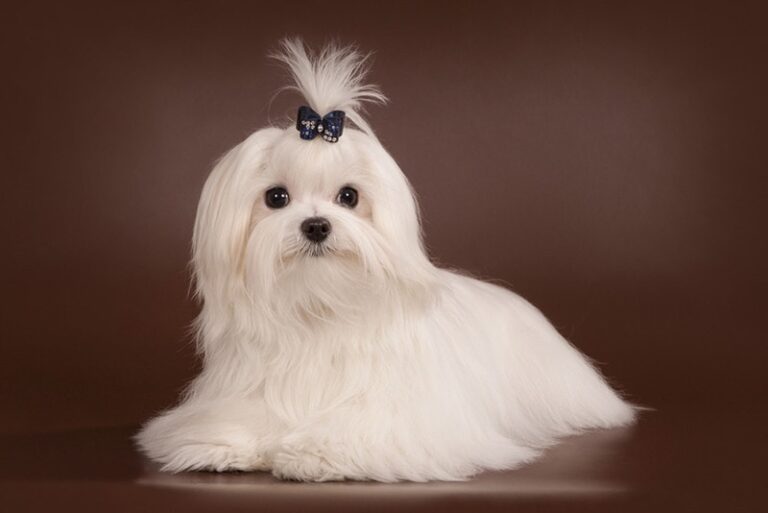
Some dogs, particularly small companion breeds like Chihuahuas, Shih Tzus, and Cavalier King Charles Spaniels, have been selectively bred over generations to be the ultimate lap dogs. These pint-sized pups often crave constant physical contact and may even become distressed when deprived of their daily dose of snuggles.
Signs Your Dog Is a Certified Cuddle Bug
So, how can you tell if your dog genuinely enjoys being picked up and held? Look for these telltale signs of a contented canine:
-
Relaxed body language: A dog who‘s digging the cuddle vibes will have a soft, wiggly body that molds into yours. Their muscles will be relaxed, not tense or rigid.
-
Tail wagging: A happy, relaxed tail wag is a surefire sign your pup is enjoying the moment. Keep in mind that an anxious or agitated dog may also wag their tail, but it will be stiffer and faster-paced.
-
Licking and nuzzling: If your dog gently licks your face or hands while being held, or nuzzles their head against you, they‘re showing affection and contentment.
-
Staying put: A dog who‘s happy being held will usually stay still in your arms, without struggling or trying to jump down. They may even doze off for an impromptu nap!
-
Asking for more: Some dogs will actively seek out being picked up by pawing at their owner, jumping into their lap, or even attempting to climb up into their arms. This is a clear sign they associate being held with positive feelings.
Why Some Dogs Prefer Their Personal Space
On the flip side, there are plenty of reasons a dog may not be thrilled about being picked up and cuddled, even by their favorite people:
Feeling Trapped or Vulnerable
For some dogs, being restrained or having their movement limited can trigger feelings of anxiety or fear. This may be due to past negative experiences, lack of socialization, or simply an innate discomfort with feeling confined. These dogs often prefer the security of having all four paws on the ground, ready to move or escape if needed.
Pain or Discomfort
Dogs who are experiencing pain, whether from an injury, illness, or age-related condition like arthritis, may find being picked up uncomfortable or even painful. Always be mindful of your dog‘s physical health and any conditions that could make handling difficult for them.
Lack of Positive Experiences
Dogs who weren‘t exposed to frequent, gentle handling as puppies may be unsure or even fearful of being picked up as adults. Without a foundation of positive associations, the sensation of being lifted off the ground can be startling and unpleasant.
Personality and Breed Differences
Just like people, dogs have their own unique personalities and preferences. Some are naturally more independent or aloof, while others are bred for specific tasks that don‘t involve a lot of physical contact with humans. For example, many working breeds like Siberian Huskies, Australian Cattle Dogs, and Akitas tend to be more self-sufficient and may not seek out cuddles as much as companion breeds.
Signs Your Dog Would Rather Keep Their Paws on the Ground
If your dog falls into the "no thanks" camp when it comes to being held, they‘ll likely make their feelings clear through body language and behavior. Watch for these signs of discomfort:
-
Tensing up: A dog who‘s unhappy being picked up will often stiffen their muscles, tuck their tail, and may even tremble or shake.
-
Struggling or squirming: If your dog consistently tries to wriggle out of your arms or jump down once picked up, they‘re communicating that they‘d rather not be restrained.
-
Averting their gaze: A dog who turns their head away or won‘t make eye contact while being held may be feeling anxious or overwhelmed.
-
Growling or snapping: In more extreme cases, a very uncomfortable dog may resort to growling, snarling, or even snapping to communicate their distress. Never force the interaction if your dog is showing any signs of aggression.
If your normally cuddly pup suddenly starts resisting being picked up, it‘s important to rule out any underlying medical issues that could be causing pain or discomfort. If they get a clean bill of health from your vet, it may simply be a case of changing preferences as they age.
The Right Way to Pick Up a Pup: A Step-by-Step Guide
Proper picking up technique is crucial for your dog‘s comfort and safety, as well as your own. Here‘s how to do it right:
Small Dogs (under 20 lbs):
- Place one hand under their chest, supporting their front legs.
- Cup your other hand under their rump to lift their back legs.
- Hold them close to your body for security.
Medium Dogs (20-50 lbs):
- Slip one arm under their chest, between their front legs.
- Wrap your other arm around their hind end, lifting at the same time.
- Pull them close to your chest, supporting their back legs if possible.
Large Dogs (50+ lbs):
- Bend at the knees and slip your dominant arm under their chest, behind their front legs.
- Grab their collar with your other hand for extra support and stability.
- Lift with your legs, bringing their body against yours.
Always avoid lifting any dog by their legs, neck, or tail, as this can cause discomfort or injury. Focus on supporting their core and keeping their body close to yours for balance.
The Importance of Consent: Respecting Your Dog‘s Boundaries
Just like with any physical interaction, it‘s crucial to respect your dog‘s boundaries and autonomy when it comes to being picked up and held. Forcing cuddles on a resistant pup can erode their trust and even lead to defensive aggression over time.
If your dog is giving clear signals that they‘re not comfortable being held, the kindest thing you can do is respect their wishes and find alternative ways to show affection. This might include:
- Petting and scratching in their favorite spots
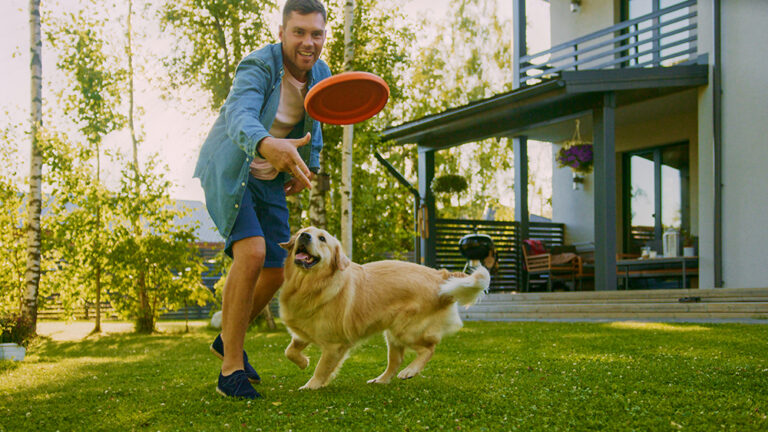
- Playing interactive games like fetch or tug
- Going for walks or hikes together
- Simply sitting quietly in each other‘s company
By letting your dog set the pace and honoring their individual preferences, you‘ll build a stronger, more trusting bond based on mutual respect.
Teaching a Reluctant Dog to Enjoy Being Held
If you have a puppy or a dog who‘s unsure about being picked up, there are ways to help them feel more comfortable with the experience. The key is taking it slow, using positive reinforcement, and always respecting their boundaries.
Step 1: Build a Foundation of Trust
Before attempting to pick up your dog, spend plenty of time simply petting and touching them in a gentle, non-threatening way. Use a soft, soothing voice and offer plenty of treats and praise to create positive associations with physical contact.
Step 2: Start Small
When you feel your dog is relaxed and comfortable with being touched, try gently lifting them just an inch or two off the ground, immediately setting them back down and rewarding them with a treat and praise. Repeat this several times, keeping the interactions brief and positive.
Step 3: Gradually Increase Duration and Height
As your dog becomes more comfortable, slowly increase the height and duration of the lift, always setting them down before they start to struggle or show signs of discomfort. Continue to pair the experience with treats and praise to reinforce the idea that being picked up is a good thing.
Step 4: Respect Their Limits
If your dog ever resists or shows signs of stress during the process, back off and try again another time. Never force the interaction or punish your dog for expressing their discomfort. Let them set the pace and celebrate even small victories along the way.
With patience, consistency, and a whole lot of tasty treats, many dogs can learn to enjoy being picked up and held. However, it‘s important to remember that some dogs may never be fully comfortable with the experience, and that‘s okay too. The goal is to build a trusting, respectful relationship, not to force your dog into an interaction they‘re not ready for.
The Bottom Line: Every Dog Is Different
At the end of the day, the most important thing is to tune into your individual dog‘s needs and respect their unique preferences. Some dogs will eagerly leap into your arms at every opportunity, while others prefer to keep all four paws firmly planted on the ground. Both are perfectly normal and okay!
By learning to read your dog‘s body language, using proper handling techniques, and always respecting their boundaries, you can cultivate a deep, loving bond built on trust and mutual understanding. And isn‘t that what being a dog lover is all about?