Do Rottweilers Shed? A Comprehensive Guide for Dog Lovers
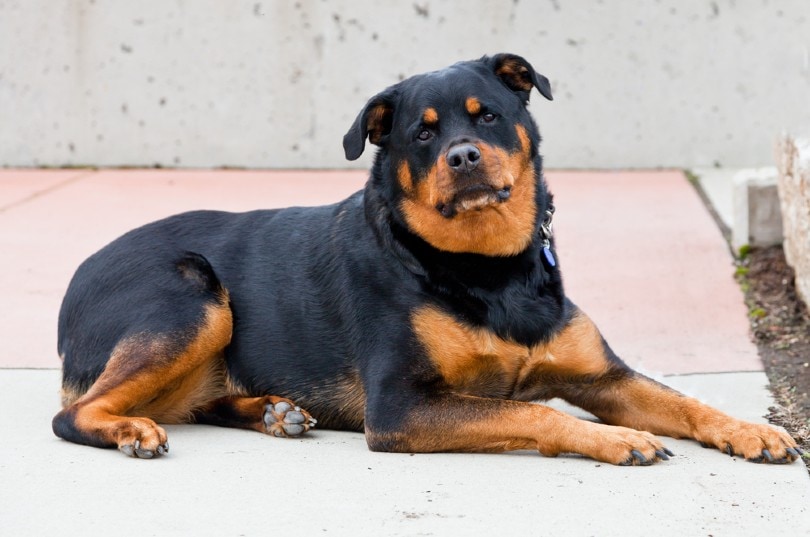
As a dog lover and proud Rottweiler owner, I know firsthand the joys and challenges of living with this incredible breed. One question that often comes up among prospective Rottie owners is, "Do Rottweilers shed?" The simple answer is yes, but there‘s much more to understand about their shedding habits and how to manage them effectively. In this comprehensive guide, I‘ll share my insights and expertise to help you navigate the world of Rottweiler shedding.
The Rottweiler Coat: A Product of Evolution
To truly understand Rottweiler shedding, it‘s essential to look at the breed‘s history and origin. Rottweilers descended from ancient Roman drover dogs, which were used to herd and guard livestock. Over time, they evolved to become powerful, protective, and adaptable dogs, with a coat that could withstand various weather conditions.
Rottweilers have a double coat, consisting of a dense, soft undercoat and a slightly longer, coarser outer coat (guard hairs). This double coat provides insulation, protecting the dog from both cold and hot weather. The undercoat sheds more heavily during seasonal changes, typically in the spring and fall, while the outer coat sheds moderately year-round.
The Science Behind Shedding
All dogs, including Rottweilers, go through a natural hair growth cycle that consists of four stages:
- Anagen (growth phase)
- Catagen (transition phase)
- Telogen (resting phase)
- Exogen (shedding phase)
During the exogen phase, old hair falls out, making room for new hair growth. This process occurs throughout the year but is more noticeable during seasonal changes when the undercoat is shed in larger amounts.
Comparing Rottweiler Shedding to Other Breeds
To put Rottweiler shedding into perspective, let‘s compare them to some other popular dog breeds:
| Breed | Shedding Level |
|---|---|
| Rottweiler | Moderate |
| German Shepherd | High |
| Labrador | Moderate |
| Poodle | Low |
| Golden Retriever | High |
| Bulldog | Moderate |
As you can see, Rottweilers fall into the moderate shedding category, making them a good choice for those who don‘t mind some extra hair around the house but prefer not to deal with excessive shedding.
The Role of Nutrition in Coat Health
One of the key factors in managing Rottweiler shedding is providing a balanced, high-quality diet. Proper nutrition plays a crucial role in maintaining skin and coat health, reducing shedding, and promoting overall well-being.
When choosing a food for your Rottweiler, look for the following essential nutrients:
- Protein: High-quality protein sources like chicken, lamb, or fish provide the building blocks for healthy hair and skin.
- Omega-3 fatty acids: Found in fish oil and flaxseed, these healthy fats help to reduce inflammation and maintain skin moisture.
- Vitamins A and E: These antioxidants support skin health and promote a shiny, lustrous coat.
- Zinc and biotin: These nutrients are essential for healthy hair growth and can help to reduce shedding.
Consulting with your veterinarian can help you choose the best diet for your Rottweiler based on their age, weight, and individual health needs.
Health Concerns and Shedding
While shedding is a normal process for Rottweilers, excessive hair loss can sometimes indicate an underlying health issue. Regular health check-ups with your veterinarian are essential for identifying and treating any concerns that may impact shedding.
Some common health issues that can cause excessive shedding in Rottweilers include:
- Allergies (food or environmental)
- Parasites (fleas, ticks, or mites)
- Hormonal imbalances (hypothyroidism or Cushing‘s disease)
- Skin infections (bacterial or fungal)
- Stress or anxiety
"Excessive shedding can be a sign of an underlying health problem," says Dr. Emily Wilson, a veterinarian with 15 years of experience. "If you notice bald spots, skin irritation, or a sudden increase in shedding, it‘s important to consult with your vet to rule out any medical issues."
The Emotional Benefits of Grooming
In addition to the practical benefits of managing shedding, regular grooming sessions can provide emotional benefits for both you and your Rottweiler. Grooming is an opportunity to bond with your dog, show them affection, and reinforce your relationship.
"Grooming is not just about maintaining a healthy coat," says professional groomer Maria Rodriguez. "It‘s also a time to connect with your dog, build trust, and create a positive association with being handled."
Take the time to make grooming a relaxing and enjoyable experience for your Rottweiler. Offer plenty of praise, treats, and gentle touch to help them feel comfortable and secure during the process.
Choosing the Right Grooming Tools
To effectively manage your Rottweiler‘s shedding, it‘s essential to have the right grooming tools on hand. When selecting brushes and combs, consider your dog‘s coat type and shedding level.
For Rottweilers, I recommend the following grooming tools:
- Slicker brush: A must-have for any Rottweiler owner, a slicker brush is perfect for removing loose undercoat and preventing mats and tangles.
- Undercoat rake: This tool reaches deep into the coat to remove excess undercoat, which is especially helpful during heavy shedding seasons.
- Bristle brush: Used on the outer coat, a bristle brush distributes natural oils and adds shine to your Rottweiler‘s coat.
- De-shedding tool: During peak shedding times, a de-shedding tool can help remove loose hair more efficiently.
When introducing new grooming tools, always start slowly and use positive reinforcement to help your Rottweiler feel comfortable with the process.
Reducing Pet Dander and Allergens
For Rottweiler owners with allergies or sensitivities, managing pet dander and allergens in the home can be a challenge. While no dog is truly hypoallergenic, there are steps you can take to reduce the impact of pet dander:
- Vacuum regularly using a high-quality vacuum cleaner with a HEPA filter.
- Use air purifiers to help remove airborne dander and hair.
- Wash bedding and toys frequently to minimize the accumulation of allergens.
- Consider using allergen-reducing sprays or wipes on your Rottweiler‘s coat between baths.
Remember, while these measures can help, it‘s essential to consult with your doctor if you have severe allergies to determine the best course of action for your individual needs.
Living with a Shedding Rottweiler: A Personal Perspective
As a Rottweiler owner, I‘ve learned to embrace the shedding as part of the joy of sharing my life with these incredible dogs. Yes, there‘s extra hair to clean up, and I always have a lint roller on hand, but the love, loyalty, and companionship my Rotties provide far outweigh any inconvenience.
Watching my Rottweilers play, learn, and grow has been one of the most rewarding experiences of my life. Through regular grooming sessions, a healthy diet, and plenty of love and attention, I‘ve been able to manage their shedding and maintain a happy, healthy home for both my dogs and my family.
Conclusion
Shedding is a natural part of life with a Rottweiler, but it doesn‘t have to be a burden. By understanding your Rottweiler‘s coat characteristics, implementing a regular grooming routine, and providing a balanced diet and a loving home, you can minimize shedding and enjoy all the wonderful qualities this breed has to offer.
Remember, every dog is unique, and what works for one Rottweiler may not work for another. Be patient, stay proactive, and always prioritize your dog‘s health and happiness. With the right approach and a lot of love, you and your Rottweiler will share a bond that lasts a lifetime, shedding and all.