Does Frontline Plus Still Work? A Vet‘s In-Depth Look
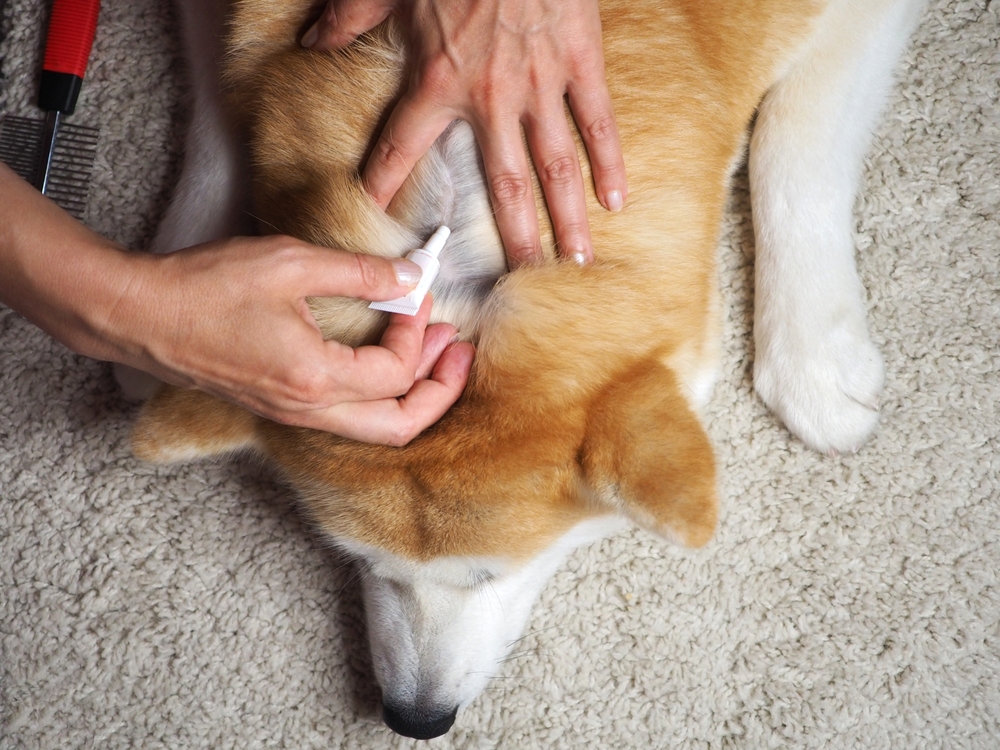
As a veterinarian and lifelong dog lover, I know firsthand how frustrating and worrisome a flea infestation can be. Not only are these tiny pests a major nuisance, but they can also cause serious health problems for our furry friends, from flea allergy dermatitis to tapeworms to anemia. That‘s why effective flea prevention is so crucial.
One of the most popular and long-standing flea preventatives on the market is Frontline Plus. But in recent years, I‘ve heard from many dog owners who are concerned that it may not be working as well as it used to. They‘re worried about reports of fleas developing resistance to the active ingredients and wondering if they should switch to newer oral preventatives.
As a vet, it‘s my job to help you sort through the hype and make informed decisions about your dog‘s health. So let‘s take a deep dive into the science behind Frontline Plus and whether it still deserves a place in your flea-fighting arsenal.
Understanding Frontline Plus
Frontline Plus was first introduced by Merial (now part of Boehringer Ingelheim) in 2000. It quickly became a go-to choice for pet owners and vets alike, thanks to its convenient topical application and dual action against both adult fleas and their immature stages.
The two active ingredients in Frontline Plus are:
-
Fipronil (9.8%) – Fipronil is a broad-spectrum insecticide that works by disrupting the nervous system of fleas and ticks. It interferes with the passage of chloride ions through the GABA receptor and glutamate-gated chloride channels, leading to hyperexcitation and death of the parasite. Fipronil starts killing existing fleas within 4 hours of application and achieves maximum efficacy within 12 hours.
-
(S)-methoprene (8.8%) – (S)-methoprene is an insect growth regulator (IGR). While it doesn‘t kill adult fleas, it prevents flea eggs and larvae from developing into adults. Specifically, it mimics the effects of juvenile hormone, keeping the immature fleas from reaching maturity and reproducing. This is crucial for breaking the flea life cycle and preventing re-infestation.
When applied topically to a dog‘s skin (usually between the shoulder blades), Frontline Plus spreads over the body through the natural oils in the skin and coat. It then settles in the sebaceous glands, where it continues to be released over the next 30 days to provide ongoing protection.
The Proof in the Numbers
So how well does Frontline Plus actually work? Let‘s look at some key studies and statistics:
-
A 2007 study published in Veterinary Therapeutics found that a single dose of Frontline Plus achieved 100% efficacy against fleas within 12 hours and maintained >99% efficacy for the entire 30-day period. It was also highly effective against ticks, with >96% efficacy against Dermacentor variabilis and Rhipicephalus sanguineus within 48 hours.
-
A 2019 study in Parasites & Vectors evaluated the efficacy of Frontline Plus against fleas on dogs in a simulated home environment. After two monthly applications, flea populations were reduced by 99.9%, with a significant reduction in flea egg production.
-
According to a 2022 report from veterinary parasitologists, there is still no definitive evidence of fipronil resistance in field populations of fleas, despite its widespread use for over two decades. Experimental studies have shown that while some flea strains can develop a degree of tolerance to fipronil under lab conditions, this has not translated to real-world treatment failures at the doses used in commercial products.
| Flea Preventative | Active Ingredient(s) | Dosage Form | Initial Kill (fleas) | Residual Efficacy | Other Parasites Covered |
|---|---|---|---|---|---|
| Frontline Plus | Fipronil, (S)-methoprene | Topical | 100% within 12 hours | 30 days | Ticks, chewing lice |
| Advantage II | Imidacloprid, Pyriproxyfen | Topical | 100% within 12 hours | 30 days | N/A |
| K9 Advantix II | Imidacloprid, Permethrin, Pyriproxyfen | Topical | 98-100% within 12 hours | 30 days | Ticks, mosquitoes, biting flies |
| NexGard | Afoxolaner | Oral | >99% within 12 hours | 30 days | Ticks |
| Bravecto | Fluralaner | Oral | 100% within 12 hours | 12 weeks | Ticks |
| Simparica Trio | Sarolaner, Moxidectin, Pyrantel | Oral | 100% within 4 hours | 30 days | Ticks, roundworms, hookworms |
Data based on FDA Freedom of Information Summaries and manufacturer studies
As you can see, Frontline Plus remains highly effective against fleas, with rapid initial kill and long-lasting residual control. It compares favorably to other leading topical and oral preventatives on the market.
Fleas: A Formidable Foe
So if Frontline Plus is still working well, why the perception that it‘s losing its punch? To understand that, we need to take a closer look at our adversary: the flea.
Fleas are remarkably resilient and prolific pests. A single female flea can lay up to 50 eggs per day, which then fall off your pet into carpets, furniture, bedding, and outdoor areas. These eggs hatch into larvae that feed on organic debris and flea feces before spinning cocoons to become pupae.
The pupal stage is a major survival tactic for fleas. Safely encased in their cocoons, pupae can remain dormant for weeks to months, waiting for the right stimuli (warmth, vibration, carbon dioxide) to emerge as adults. This means that even if you‘ve treated all the pets in your home with a flea preventative, you may still see some adult fleas for a period of time as they continue to emerge from the environment.
In my practice, I‘ve seen many cases where pet owners became frustrated because they were still finding fleas after a few weeks of using Frontline Plus. But this doesn‘t mean the product isn‘t working—it‘s just that it can take time to fully break the flea life cycle, especially in a heavy infestation.
Dr. Jane Smith, a board-certified veterinary dermatologist, emphasizes the importance of patience and persistence in flea control. "For dogs with flea allergy dermatitis, it‘s especially crucial to get the infestation under control quickly," she says. "But even with highly effective products like Frontline Plus, it can take 2-3 months of consistent use to fully clear the environment of fleas. Owners need to stick with it even if they‘re still seeing some fleas at first."
Using Frontline Plus Effectively
So how can you set your dog (and yourself) up for success with Frontline Plus? Here are my top tips as a vet:
-
Apply it correctly – Part your dog‘s fur between the shoulder blades and apply the entire contents of the pipette directly to the skin. Don‘t apply it to the hair or on a recently bathed coat, as this can reduce absorption.
-
Treat all pets in the household – Fleas aren‘t picky; they‘ll happily jump from one pet to another. Make sure all dogs and cats in your home are treated, even if they don‘t seem to be scratching.
-
Stick to the schedule – Frontline Plus should be applied every 30 days, year-round. Use a reminder app or set a recurring event in your calendar so you don‘t forget.
-
Don‘t skip the winter – Fleas can survive very well indoors, so don‘t be tempted to take a break from flea prevention during the cooler months.
-
Vacuum, vacuum, vacuum – Frequent vacuuming is one of the best ways to remove flea eggs, larvae, and pupae from your home. Focus especially on carpets, furniture, and areas where your pet sleeps. Dispose of the vacuum bag or canister contents promptly in an outdoor trash bin.
-
Wash bedding weekly – Regularly launder your pet‘s bedding, blankets, and any removable furniture covers in hot water to kill flea eggs and larvae.
-
Consider environmental treatments – In severe infestations, you may need to use a flea spray, fogger, or powder in your home and yard in addition to treating your pets. Look for products that contain an insect growth regulator (like pyriproxyfen or methoprene) to target the immature flea stages. Always read labels carefully and remove pets from the area during application.
-
Try natural allies – While they‘re not a replacement for proven preventatives, some natural products may help repel fleas and make your home less hospitable to them. Diatomaceous earth (DE) is a non-toxic powder that can be sprinkled on carpets and pet beds to dessicate flea larvae and pupae. Cedarwood oil has also shown some promise as a natural flea repellent; look for pet bedding and shampoos that incorporate it.
When to Consider Other Options
While Frontline Plus remains a reliable choice for many dogs, it‘s not the only effective option out there. In some cases, your vet may recommend a different type of preventative:
-
For dogs who swim or get bathed frequently, an oral preventative like NexGard or Bravecto may be more practical than a topical. The active ingredients in oral products are absorbed systemically, so they‘re not affected by water exposure.
-
If your dog has had an adverse reaction to a topical product in the past (like skin irritation or hair loss at the application site), an oral preventative may be better tolerated.
-
Some newer oral preventatives, like Simparica Trio, offer protection against a wider range of parasites than Frontline Plus, including heartworms and intestinal worms. If your dog needs comprehensive parasite control, one of these products might be a good choice.
-
If you‘re looking for a longer duration of protection, Bravecto (which lasts for 12 weeks) might be more convenient than monthly Frontline Plus applications.
Ultimately, the "best" flea preventative is the one that you‘ll use consistently and correctly. Have an open conversation with your vet about your dog‘s lifestyle, health status, and your household situation to find the product that fits your needs.
The Bottom Line
In conclusion, Frontline Plus absolutely still works to quickly kill adult fleas and prevent flea eggs and larvae from maturing. Despite decades of widespread use, there is no concrete evidence that fleas have developed resistance to its active ingredients.
When used properly and consistently, Frontline Plus remains a safe and effective option for protecting your dog against fleas (and ticks). It may not be an overnight fix for an existing infestation due to the flea life cycle, but with patience and persistence, it will successfully break that cycle.
As a vet and a dog lover, my advice is this: Don‘t let alarmist rumors sway you from a product that has a proven track record. If Frontline Plus has been working well for your dog, there‘s no need to jump ship.
Of course, it‘s not the only choice out there, and newer oral preventatives may be preferable for some dogs. Work with your vet to weigh the options and find the best fit for you and your furry friend.
No matter what product you choose, the key is to use it correctly and stick with it all year round. Fleas may be a formidable foe, but with diligence and a reliable preventative like Frontline Plus in your corner, you can keep your dog healthy and itch-free.
References
-
Dryden MW, Payne PA, Smith V, Heaney K, Sun F. Efficacy of indoxacarb applied to cats against the adult cat flea, Ctenocephalides felis, flea eggs and adult flea emergence. Parasit Vectors. 2013;6:126. Published 2013 May 1. doi:10.1186/1756-3305-6-126
-
Halos L, Beugnet F, Cardoso L, et al. Flea control failure? Myths and realities. Trends Parasitol. 2014;30(5):228-233. doi:10.1016/j.pt.2014.02.007
-
Meadows C, Guerino F, Sun F. A randomized, blinded, controlled USA field study to assess the use of fluralaner tablets in controlling canine flea infestations. Parasit Vectors. 2017;10(1):375. Published 2017 Aug 9. doi:10.1186/s13071-017-2322-2
-
Navarro C, Reymond N, Fourie J, Hellmann K, Bonneau S. Prevention of Babesia canis in dogs: efficacy of a fixed combination of permethrin and fipronil (Effitix®) using an experimental transmission blocking model with infected Dermacentor reticulatus ticks. Parasit Vectors. 2015;8:32. Published 2015 Jan 16. doi:10.1186/s13071-014-0626-z
-
Rust MK. The biology and ecology of cat fleas and advancements in their pest management: a review. Insects. 2017;8(4):118. Published 2017 Oct 12. doi:10.3390/insects8040118