English Bulldog Facts: The Ultimate Guide for Dog Lovers
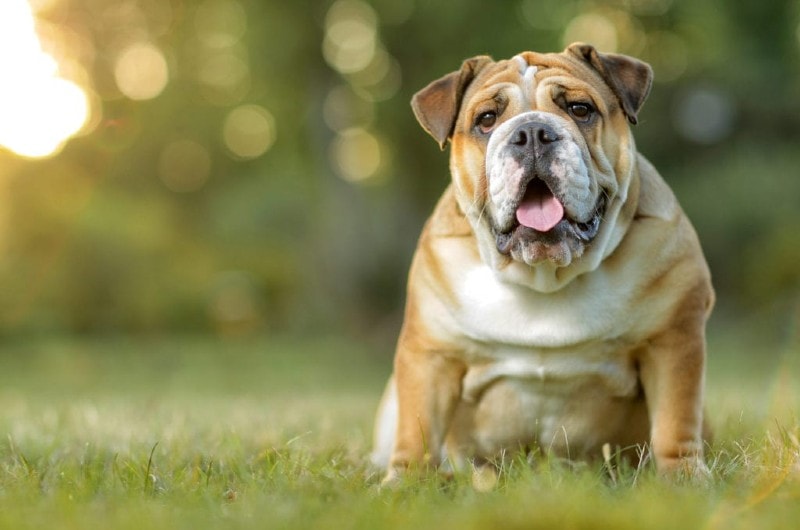

Are you fascinated by the wrinkly face, stocky build, and genial charm of the English Bulldog? As one of the most popular and recognizable dog breeds in the world, the English Bulldog has a long, rich history and countless endearing qualities. In this ultimate guide, we‘ll take an in-depth look at English Bulldog facts every dog lover should know, from their origins to their care requirements, quirks, and more.
Whether you‘re an experienced English Bulldog owner or considering adding one of these lovable pups to your family, you‘re sure to learn something new. We‘ll also explore the controversial English Bulldog XL variety and hear from breed experts. By the end, you‘ll be an English Bulldog aficionado! Let‘s dive in.
History of the English Bulldog
The English Bulldog‘s journey from fierce fighter to gentle companion is truly remarkable. The breed originated in 13th century England for the brutal sport of bull-baiting, in which a pack of dogs fought a tethered bull for the entertainment of spectators. Sadly, this practice continued until it was outlawed in 1835.
Bulldogs of that time differed greatly from the breeds we know now. They were taller and more athletic with less pronounced facial wrinkles. Breeders selected dogs with traits advantageous for bull-baiting, like wide mouths and noses that allowed them to still breathe while maintaining their grip on a bull.
"After 1835, the breed faced extinction until a group of dedicated breeders transformed the English Bulldog into a shorter, stockier, sweeter companion dog," explains Dr. Jerry Klein, Chief Veterinary Officer for the American Kennel Club. "They kept the distinctive Bulldog look but selected for a far more even, patient temperament suitable for family life."
The revamped breed caught on quickly and English Bulldogs soon became a status symbol among the British upper classes. The English Bulldog even became a World War II icon thanks to the breed‘s tenacious, never-give-up spirit that mirrored that of Winston Churchill and the British people.
English Bulldog Size and Physical Characteristics
The modern English Bulldog retains the powerful, muscular body of its ancestors but in a scaled-down size. According to the American Kennel Club breed standard, a mature male English Bulldog should weigh about 50 pounds and stand 14 to 15 inches at the shoulder. Females are a bit smaller at around 40 pounds and 12 to 13 inches tall. However, there is wiggle room and some English Bulldogs grow larger or smaller than this.
Some of the English Bulldog‘s most distinct physical features include:
- Large, round head with excessive wrinkles and folds
- Undershot jaw with an upturned, slightly rounded lower lip
- Broad, deep chest and short, sturdy limbs
- Smooth, short coat in various colors like red, fawn, and brindle
- Naturally short, stubby tail
- Rolling, shuffling gait
English Bulldog XL Controversy
In recent years, some breeders have introduced "English Bulldog XL" puppies that are bred to be larger than the standard, sometimes over 100 pounds. XL Bulldogs are often mixed with breeds like American Bulldogs, Olde English Bulldogges, and Mastiffs.
Proponents argue that XLs are an attempt to make a healthier Bulldog by crossing them with breeds that have fewer inbred physical issues, resulting in longer muzzles and leaner bodies. However, critics maintain that mixing in other breeds just introduces a host of other potential health issues.
"The English Bulldog XL is not recognized as an official variety by the AKC or other major kennel clubs," notes Dr. Klein. "Prospective owners should be very cautious about breeders advertising these oversized dogs, as some unethical individuals may just be trying to turn a profit without regard for health and temperament."
English Bulldog Temperament and Personality
The English Bulldog of today is known for being a calm, courageous, and friendly companion with an endearingly goofy streak. They tend to be very patient and gentle with children, though all interactions between dogs and kids should be supervised.
With their even temperaments and adaptability, English Bulldogs can thrive in many living situations, from small city apartments to sprawling country homes. They are moderately active and can adapt to their owners‘ lifestyles but do best with at least one or two short walks per day.
Most English Bulldogs are amiable with other dogs and pets, especially when socialized from puppyhood. They may be somewhat territorial and aloof with strangers but are not typically aggressive. Once an English Bulldog accepts someone, they usually shower them with affection and become a devoted companion.
While good-natured and eager to please, English Bulldogs can also have a stubborn streak. They respond best to positive reinforcement training methods using ample treats and praise. According to a study by Stanley Coren, English Bulldogs consistently rank in the bottom 25% of breeds for obedience and working intelligence. However, fanciers maintain that the breed shows ample intelligence in other ways.
English Bulldog Health and Care
Like many flat-faced brachycephalic breeds, English Bulldogs are prone to certain health issues related to their unique anatomy. The average English Bulldog lifespan is 8 to 10 years, according to a UK Kennel Club study. However, some live into their early teens with proper care.
Some of the most common English Bulldog health problems include:
| Condition | Prevalence |
|---|---|
| Hip dysplasia | 72% |
| Cherry eye | 26% |
| Brachycephalic airway syndrome | 19% |
| Elbow dysplasia | 17% |
| Patellar luxation | 13% |
Source: Orthopedic Foundation for Animals
Choosing English Bulldog puppies from health-tested parents and providing lifelong proper care can help mitigate risks. However, owners should be prepared for potentially high veterinary costs. English Bulldogs are consistently ranked as one of the most expensive breeds to own in terms of vet bills.
"Keeping an English Bulldog at a healthy weight with a nutritious diet, avoiding strenuous exercise, and staying up-to-date on preventative care are key," advises Dr. Patty Khuly, veterinarian and pet health writer. "Owners must also be vigilant about keeping their English Bulldog‘s facial wrinkles clean and dry to prevent skin fold dermatitis."
English Bulldog Fun Facts
-
An English Bulldog named Zsa Zsa won the 2024 World‘s Ugliest Dog Contest for her extremely droopy tongue.
-
Famous English Bulldog owners include actor Leonardo DiCaprio, NFL star Rob Gronkowski, and billionaire Kylie Jenner.
-
The English Bulldog is an extremely popular sports mascot. Notable examples include Uga (University of Georgia), Handsome Dan (Yale), and Blue III (Butler University).
-
English Bulldogs snore more than any other dog breed, according to a survey by the American Kennel Club.
-
The breed holds several unique Guinness World Records, including "most drinks caught in a cup by a dog in 30 seconds" and "longest human tunnel travelled through by a dog on a skateboard."
-
English Bulldogs are the third most popular breed in the United States, behind only Labrador Retrievers and German Shepherds.
-
A 2024 study found that English Bulldogs are the dog breed most likely to binge-watch TV with their owners.
Owning an English Bulldog
So is an English Bulldog the right breed for you? There‘s a lot to love about these wrinkly couch potatoes. They can make wonderful companions for many types of owners and living situations. However, it‘s important not to underestimate the breed‘s potential health issues and grooming requirements.
"English Bulldogs are not a breed you should get on a whim," cautions Dr. Khuly. "Make sure you do thorough research and understand both the joys and challenges of owning this breed. Talk to other English Bulldog owners, your veterinarian, and reputable breeders or rescue organizations."
If you decide to take the plunge, expect to pay anywhere from $1,500 to over $5,000 for a purebred English Bulldog puppy from a responsible breeder. Adoption fees from rescue organizations are typically lower at $200 to $500. Factor in several hundred dollars more for initial supplies like food, bedding, toys, and veterinary care.
The first year of English Bulldog ownership tends to be the most expensive. According to a 2024 survey by the pet budgeting app Lenny, owners spent an average of $2,800 on their English Bulldog‘s first 12 months. Annual expenses decreased to an average of $1,600 for adult dogs. The biggest ongoing costs tend to be food, veterinary care, and health insurance premiums.
Conclusion
From their early days as fierce bull-baiters to their modern lives as beloved couch companions, the English Bulldog has been capturing hearts for centuries. These stocky, wrinkly pups may not win any obedience competitions, but they excel at being loyal, affectionate friends with oodles of personality.
By learning key English Bulldog facts spanning history, health, temperament, care, and more, you can become an expert on this special breed. While English Bulldogs and the XL variety may not be for everyone, those who open their homes to these dogs usually become devoted fans for life. Whether your English Bulldog is skateboarding for the cameras or just drooling on your pillow, you‘ll never have a dull moment with one of these living, snoring teddy bears by your side.