English Mastiff vs. American Mastiff: A Comprehensive Comparison for 2026
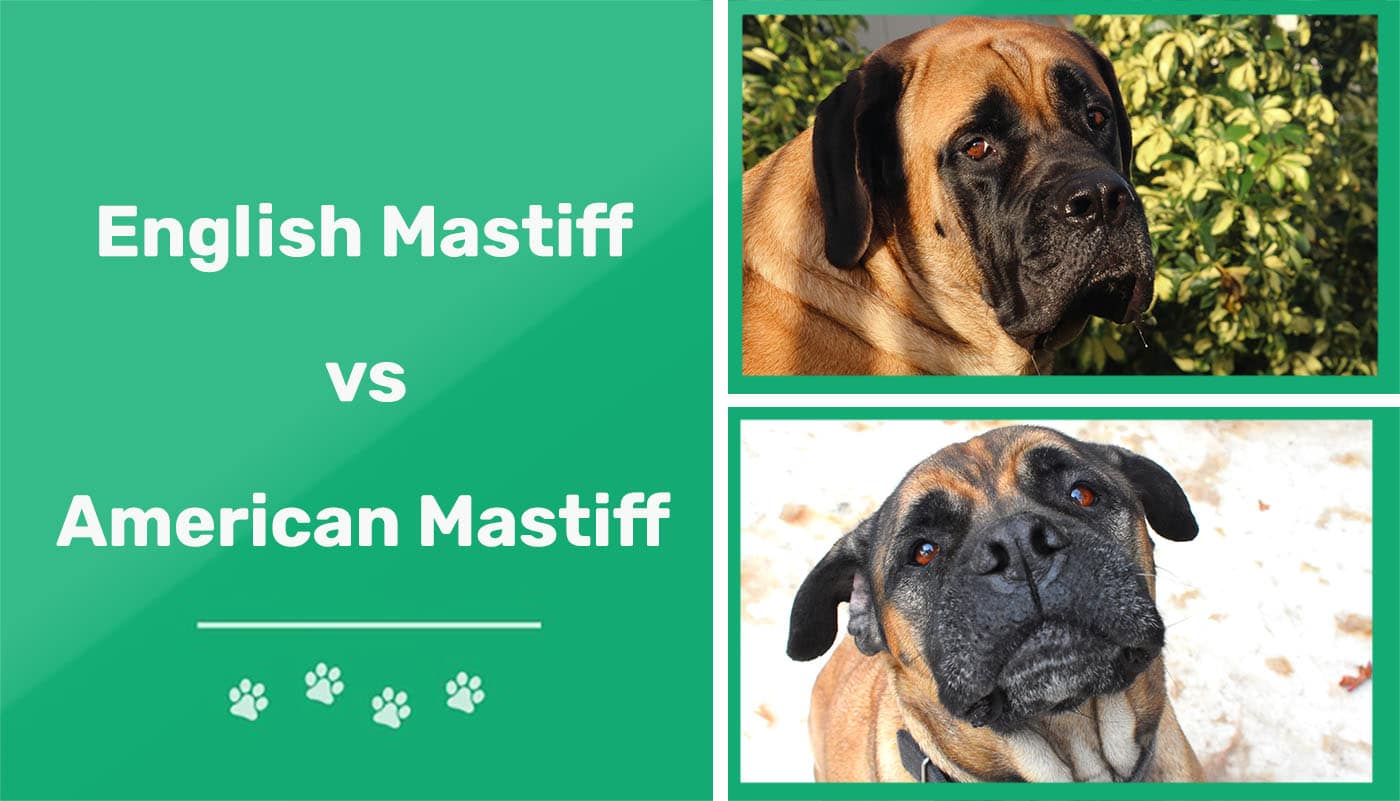
Are you considering adding a giant, lovable Mastiff to your family? If so, you may be wondering about the differences between the English Mastiff and the American Mastiff. As a veterinary expert and dog lover, I‘m here to help you understand the key distinctions between these two impressive breeds, enabling you to make an informed decision about which one is right for you.
Origin and History
The English Mastiff, also known as the Old English Mastiff, is an ancient breed with a rich history dating back over 2,000 years. These powerful dogs were used by the Romans as war dogs and later became popular in England as estate guardians and companions. The breed faced near extinction during World War II but was successfully revived through careful breeding efforts.
On the other hand, the American Mastiff is a relatively new breed, developed in the 1980s by the Flying W Farms in the United States. The goal was to create a Mastiff with fewer health issues and a drier mouth (less drooling) by selectively breeding English Mastiffs with Anatolian Mastiffs.
Physical Characteristics
Both English and American Mastiffs are giant breeds, but there are some subtle differences in their appearance:
English Mastiff:
- Height: 28-36 inches
- Weight: 120-230 pounds
- Coat: Short, dense, and close-lying; colors include fawn, apricot, brindle, and tiger-striped
- Head: Massive, square, and wrinkled with a short muzzle and dropped ears
American Mastiff:
- Height: 26-36 inches
- Weight: 140-200 pounds
- Coat: Short, dense, and close-lying; colors include fawn, apricot, brindle, and tiger-striped
- Head: Large, square, and less wrinkled than the English Mastiff, with a slightly longer muzzle and dropped ears
Temperament and Personality
Both English and American Mastiffs are known for their gentle, affectionate nature and loyalty to their families. They are patient with children and can be protective of their loved ones. However, there are some nuances in their temperaments:
English Mastiff:
- Tend to be more laid-back and content with lounging around the house
- May be more wary of strangers and require socialization from a young age
- Have a slightly higher prey drive, which may affect their compatibility with smaller pets
American Mastiff:
- Often described as more energetic and playful than their English counterparts
- Generally more outgoing and friendly towards strangers
- Have a lower prey drive, making them more adaptable to living with other pets
Training and Exercise
Consistent training and moderate exercise are essential for both English and American Mastiffs. They are intelligent breeds that respond well to positive reinforcement techniques. However, their size and strength can make them challenging to control if not properly trained.
English Mastiffs are typically content with shorter walks and indoor playtime, while American Mastiffs may have slightly higher energy levels and benefit from more outdoor activities. Both breeds should be leash-trained early on and taught basic obedience commands.
Grooming
English and American Mastiffs have similar grooming needs due to their short, dense coats. Weekly brushing helps remove loose fur and keeps their skin healthy. They should be bathed every 4-6 weeks or as needed. Regular nail trimming, ear cleaning, and dental care are also important for maintaining their overall health.
Health Concerns and Lifespan
As giant breeds, both English and American Mastiffs are prone to certain health issues, such as hip and elbow dysplasia, bloat, and eye problems. However, the American Mastiff was specifically bred to reduce some of the health concerns associated with English Mastiffs.
English Mastiff:
- Lifespan: 6-12 years
- More prone to bone cancer, heart disease, and neurological disorders
American Mastiff:
- Lifespan: 10-12 years
- May have a lower incidence of some health issues due to selective breeding
Regular veterinary check-ups, a balanced diet, and maintaining a healthy weight can help prevent or manage potential health problems in both breeds.
Suitability for Different Living Situations
English and American Mastiffs can adapt to various living situations, provided their exercise needs are met, and they have enough space to move around comfortably. They are best suited for homes with a securely fenced yard, but they can also thrive in apartments if given sufficient daily walks and playtime.
Both breeds are excellent family dogs, as they are patient and gentle with children. They can also coexist peacefully with other pets if socialized from a young age. However, their size and strength should be considered when introducing them to smaller animals or young children, as accidental injuries can occur.
Which Breed is Right for You?
Choosing between an English Mastiff and an American Mastiff ultimately depends on your lifestyle, preferences, and the specific traits you are looking for in a dog. Both breeds make wonderful companions for the right family, offering love, loyalty, and a gentle presence.
If you prefer a more laid-back, traditional Mastiff with a longer history, the English Mastiff may be the perfect choice. On the other hand, if you are looking for a Mastiff with a slightly more outgoing personality and potentially fewer health concerns, the American Mastiff might be the better option.
Regardless of which breed you choose, be prepared for the responsibilities that come with owning a giant dog, including providing ample space, proper training, and regular veterinary care. With the right care and attention, your English or American Mastiff will be a loving and devoted companion for years to come.
Personal Experience and Insights
As a veterinarian, I have had the pleasure of working with both English and American Mastiffs. One particularly memorable case involved an English Mastiff named Zeus, who had developed hip dysplasia at a young age. Through a combination of weight management, physical therapy, and pain medication, we were able to significantly improve Zeus‘s quality of life, enabling him to enjoy his daily walks and playtime with his family.
Another heartwarming story involves an American Mastiff named Bella, who served as a therapy dog in a children‘s hospital. Bella‘s gentle demeanor and friendly nature brought joy and comfort to countless young patients, demonstrating the incredible emotional support that Mastiffs can provide.
In my experience, both English and American Mastiffs have proven to be loyal, loving companions with a special place in the hearts of their families. While they may face some health challenges, proper care and attention can help them lead happy, fulfilling lives.
Conclusion
English and American Mastiffs are two remarkable breeds that share many wonderful qualities, such as their gentle nature, loyalty, and affection for their families. While they have some differences in origin, appearance, and temperament, both breeds can make excellent companions for the right households.
By understanding the unique characteristics, needs, and potential challenges of each breed, you can make an informed decision about which Mastiff is the best fit for your lifestyle and family. Remember, owning a giant breed comes with significant responsibilities, but the love and companionship they provide are truly unparalleled.
If you have any further questions or concerns about English or American Mastiffs, don‘t hesitate to consult with a veterinarian or experienced breeder. They can provide valuable guidance and support as you embark on the rewarding journey of sharing your life with one of these magnificent dogs.