The Boykin Spaniel: South Carolina‘s Little Brown Dog Makes a Big Impression
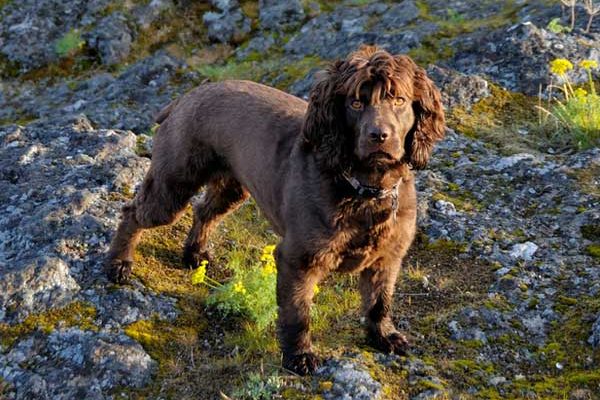

With their wavy chocolate coats, sunny dispositions, and can-do attitudes, Boykin Spaniels have pawed their way into the hearts of dog lovers across the United States. Although these compact charmers were originally developed as hunting companions in the swamps of South Carolina, their versatility and friendly nature have earned them a devoted following far beyond their Southern roots.
From Duck Dogs to Hometown Heroes: The Boykin Spaniel‘s Origin Tale
The story of the Boykin Spaniel begins in the early 1900s with a chance encounter between a stray spaniel mix and a pair of South Carolina sportsmen. As the tale goes, a small brown dog named Dumpy was found wandering near a Methodist church in Spartanburg. Hunter Alexander White took a shine to the scruffy pup and discovered his natural aptitude for retrieving.
White sent Dumpy to his friend Lemuel Whitaker Boykin in Camden, where the dog‘s talents were further developed for hunting wild turkeys and waterfowl in the Wateree River Swamp. The Boykin family and their hunting partners carefully bred the dogs to have a compact, sturdy build, tireless energy, strong swimming skills, and an eager-to-please personality.
Word of these little brown hunting dogs spread through South Carolina sporting circles, and a dedicated group of breeders emerged to preserve and promote the Boykin Spaniel. In the 1970s, the Boykin Spaniel Society was formed, and the breed was named the official state dog of South Carolina in 1985.
After decades of local fame, Boykin Spaniels gained wider recognition when the American Kennel Club accepted them into the Miscellaneous Class in 2007. Just two years later, the AKC granted the breed full recognition, making Boykins eligible to compete in conformation shows, hunt tests, and companion events.
Since then, Boykin Spaniels have enjoyed a steady rise in popularity. According to AKC registration statistics, the breed ranked 87th out of 195 recognized breeds in 2020, up from 92nd place in 2015. While still a relatively rare breed compared to Labrador Retrievers or Golden Retrievers, Boykins are increasingly sought after as versatile hunting partners, enthusiastic sports competitors, and devoted family companions.
Portable Powerhouses: The Boykin‘s Form and Function
Boykin Spaniels are often described as "big dogs in small packages." Standing 14-18 inches at the shoulder and weighing 25-40 pounds, they are the smallest of the AKC‘s sporting spaniel breeds, but they pack a lot of punch into their compact frames.
The breed standard calls for a sturdy, slightly longer than tall build with a broad chest, muscular legs, and webbed feet that provide power and agility in the water. The Boykin‘s medium-length coat can be flat, wavy, or curly, and comes in a rich shade of liver brown that helps them blend into marshland surroundings. Their softly rounded heads, soulful eyes, and pendant ears give them an alert, friendly expression.
"Boykins are really the total package when it comes to a hunting companion," says Paul Johnson, a longtime Boykin breeder and hunter from Charleston, South Carolina. "They have the stamina to work all day in tough conditions, but they‘re also small enough to fit comfortably in a canoe or duck blind. And of course, that brown coat is perfect camouflage in the swamp."
But Boykins aren‘t just tough and tenacious in the field — they have a sunny, people-oriented nature that makes them a joy to live with. Breeder Kate Dyer of Pomaria, South Carolina, describes them as "eternally happy and eager to please. They just want to be with their humans, whether that means cuddling on the couch or going on a hike."
Bright Minds, Biddable Natures: Inside the Boykin Brain
As a breed developed to work closely with human hunters, Boykin Spaniels are known for their keen intelligence and trainability. They are quick learners who respond well to positive reinforcement methods such as clicker training and reward-based systems.
Jenna Davis, a certified professional dog trainer in Greenville, South Carolina, has worked with many Boykins and says they are a joy to train: "Boykins are so smart and eager to learn. They pick up new skills easily and retain them well. The key is to keep training sessions short, fun, and engaging, because they can get bored with too much repetition."
Davis recommends starting Boykin puppies with basic obedience and socialization classes as early as possible to help them grow into well-mannered adult dogs. She also stresses the importance of providing plenty of mental stimulation through puzzle toys, scent games, and interactive play.
In addition to their trainability, Boykins are known for their adaptability and emotional intelligence. "They have an uncanny ability to read their humans and adjust their energy level to the situation," says Boykin owner Samantha Reeves of Atlanta, Georgia. "My Boykin, Beau, can go from being a high-energy goofball on a hike to a gentle, intuitive therapy dog when we visit nursing homes. He just seems to know what‘s needed."
Health Matters: Keeping Boykins in Tip-Top Shape
Like all purebred dogs, Boykin Spaniels can be prone to certain genetic health issues. Some of the conditions seen in the breed include hip dysplasia, eye disorders such as juvenile cataracts and progressive retinal atrophy, exercise-induced collapse, and a neurological disorder called degenerative myelopathy.
To minimize the risk of these issues, responsible Boykin breeders perform extensive health testing on their breeding stock and are transparent about the results. The Boykin Spaniel Society also maintains a health registry and encourages all owners to submit their dogs‘ health information to help guide future breeding decisions.
Dr. Lisa Johnson, a veterinarian in Camden, South Carolina, who has a special interest in Boykins, advises prospective owners to ask breeders about health clearances and to choose a puppy from a reputable source. "A good breeder will be happy to show you proof of health testing and will ask you lots of questions to make sure their puppies are going to responsible homes," she says.
Johnson also emphasizes the importance of providing Boykins with a healthy lifestyle, including regular exercise, a balanced diet, and routine veterinary care. "Boykins are generally hardy dogs, but they do need plenty of activity and mental stimulation to stay in good physical and mental shape," she notes. "And of course, keeping up with preventive care like vaccinations, parasite control, and dental cleanings can go a long way towards preventing health problems down the line."
Grooming the Boykin Coat
One of the Boykin Spaniel‘s most distinctive features is their medium-length, wavy to curly coat that protects them from cold water and rough underbrush. While not as high-maintenance as some sporting breeds, Boykins do require regular grooming to keep their coats healthy and tangle-free.
Breeder and professional groomer Ashley Thompson of Lexington, South Carolina, recommends brushing Boykins at least once a week with a slicker brush or pin brush, and more often during shedding seasons. "Boykins shed moderately year-round, but they usually ‘blow their coat‘ twice a year in the spring and fall," she says. "During those times, you may need to brush them daily to keep up with the loose hair."
Thompson also suggests trimming the hair around the Boykin‘s ears, feet, and underside every 4-6 weeks to prevent matting and keep the dog looking neat. "You don‘t want to give them a full haircut, but a light trim can make a big difference in their appearance and comfort," she advises.
Other grooming essentials for Boykins include regular nail trims, ear cleanings, and dental care. Thompson recommends using a dog-specific toothpaste and brush or dental wipes to keep the teeth and gums healthy, and checking the ears weekly for signs of infection.
Finding Your Perfect Boykin Match
For dog lovers who are considering adding a Boykin Spaniel to their family, doing research and finding a responsible breeder are essential first steps. The Boykin Spaniel Society maintains a breeder directory on their website and offers guidance on what to look for in a reputable breeder.
Cathy Pullian, the president of the Boykin Spaniel Rescue and Rehome organization, also encourages potential owners to consider adopting an adult Boykin in need of a new home. "While puppies are adorable, adult dogs can be a great option for people who don‘t have the time or energy to devote to puppy training," she says. "Plus, with an adult dog, what you see is what you get in terms of size, personality, and energy level."
Whether you choose a puppy or an adult, Pullian advises taking the time to get to know the individual dog and making sure their temperament and activity level are a good fit for your lifestyle. "Boykins are wonderful companions, but they do need plenty of exercise, training, and attention," she notes. "They‘re not the right breed for everyone, but for active people who enjoy the outdoors and want a loyal, loving partner, they can be the perfect match."
Joining the Boykin Community
As interest in Boykin Spaniels continues to grow, so do the opportunities to connect with other fans of the breed. Social media platforms like Facebook and Instagram have numerous Boykin Spaniel groups where owners can share photos, ask questions, and arrange meet-ups.
The Boykin Spaniel Society also hosts a national specialty show and regional events throughout the year, including conformation shows, hunt tests, and fun days. These gatherings provide a chance for Boykin enthusiasts to celebrate their favorite breed, learn from experienced owners and breeders, and watch the dogs showcase their talents.
For Boykin owner James Martinez of Charlotte, North Carolina, attending Boykin events has been a highlight of his experience with the breed. "There‘s something really special about being around people who are as crazy about these dogs as you are," he says. "Everyone is so welcoming and willing to share their knowledge. It‘s like being part of a big, extended family."
A Southern Dog with Universal Appeal
From their humble beginnings as a homegrown duck dog in the swamps of South Carolina to their rising status as a versatile companion breed, the Boykin Spaniel has captured hearts with their irresistible combination of good looks, athletic ability, and unbridled joy for life.
As Boykin breeder Kate Dyer puts it, "Boykins have a way of making every day an adventure. Whether you‘re hunting, hiking, or just hanging out at home, they‘re always ready to join in the fun. They have such a zest for life, and it‘s impossible not to smile when you‘re around them."
With their intelligence, trainability, and eager-to-please personalities, Boykin Spaniels seem poised to keep winning fans and spreading smiles for years to come. And while they may have started as a South Carolina secret, these little brown dogs with the big hearts are well on their way to becoming America‘s favorite spaniel.
Resources for Boykin Spaniel Enthusiasts
- The Boykin Spaniel Society
- Boykin Spaniel Rescue and Rehome
- American Kennel Club Boykin Spaniel Breed Information
- The Complete Boykin Spaniel by Mike Creel and Lynn Kelley
- The Ultimate Boykin Spaniel Training Guide by David Massey
- Boykin Spaniel Owners Facebook Group
- Boykin Spaniel Lovers Instagram Page