English Shepherd vs Border Collie: An In-Depth Comparison
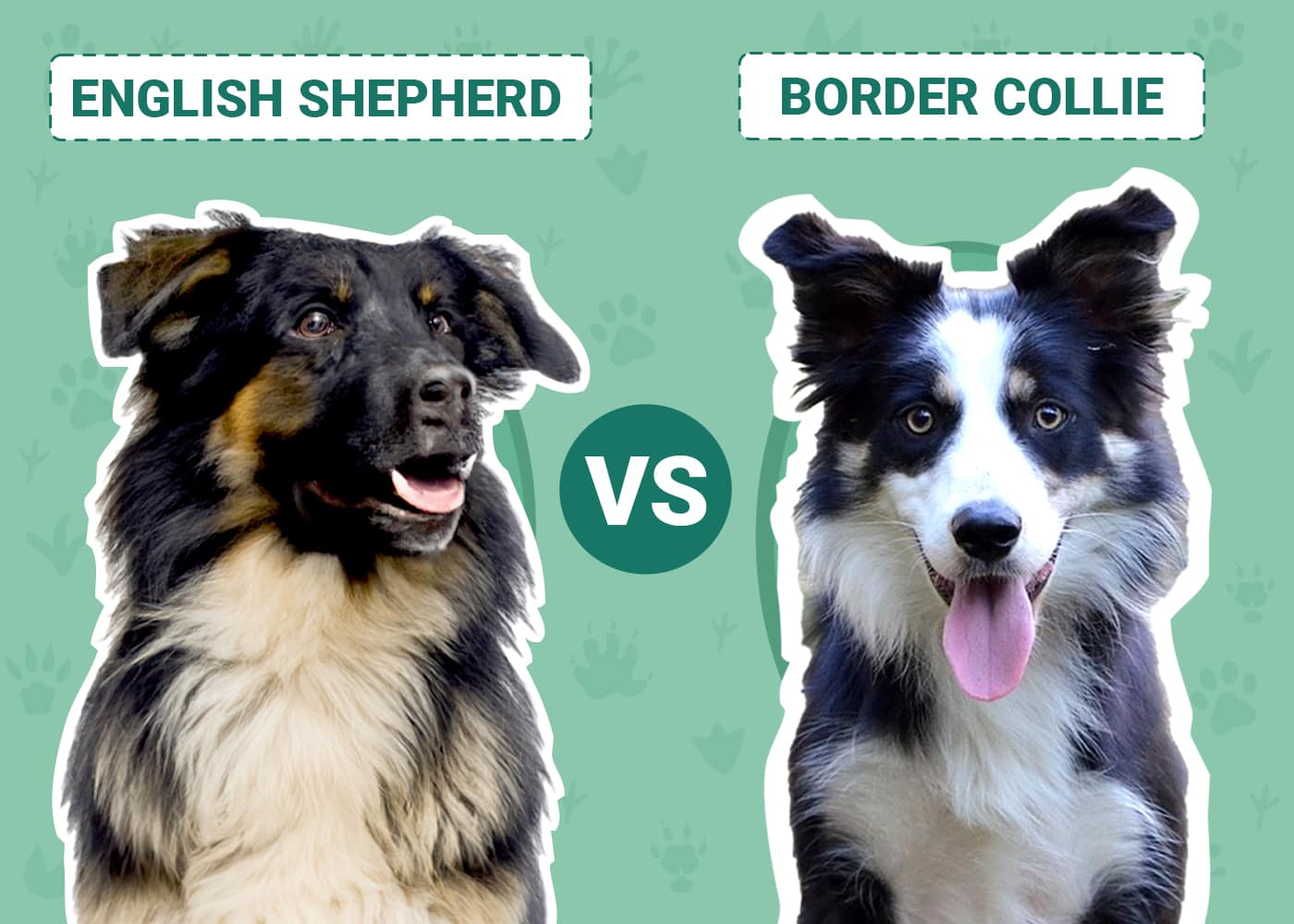
Are you trying to decide between an English Shepherd and a Border Collie as your next canine companion? Both of these herding breeds are known for their intelligence, work ethic, and loyalty – but they also have some important differences. In this comprehensive guide, we‘ll take a deep dive into the history, personality, physical characteristics, training needs, and health of these two breeds to help you determine which one is the best fit for you and your lifestyle.
Breed History and Origins
The English Shepherd and Border Collie were both developed as herding dogs in the British Isles, but they have some distinct differences in their origins and historical roles.
English Shepherd
The English Shepherd has a long and somewhat murky history, with roots dating back to the 17th century. They are believed to have descended from various herding and working breeds, including the Collie, Welsh Sheepdog, and early German Shepherd types. Unlike the Border Collie, which was specifically developed for herding sheep, the English Shepherd was a versatile farm dog expected to perform a wide variety of tasks, such as herding and guarding livestock, providing vermin control, and serving as a watchdog and loyal family companion.
English Shepherds were brought to North America by British settlers in the 18th and 19th centuries, where they played a vital role in westward expansion as homestead and ranch dogs. However, they never gained AKC recognition and remain a relatively rare breed today. Most English Shepherds are still bred primarily for their working abilities rather than appearance.
Border Collie
The Border Collie, on the other hand, has a more specialized history. They were developed in the border region between England and Scotland in the 19th century specifically for herding sheep. The hilly, rugged terrain of this area required a dog with exceptional stamina, agility, and intelligence to control the flocks. Shepherds carefully bred the most talented working dogs to create the ultimate sheepherder.
One of the key figures in the development of the Border Collie was a dog named Old Hemp, born in 1893. Old Hemp was a tricolor dog noted for his calm, upstanding herding style, and he sired many offspring who went on to be top herding dogs. He is considered the foundation sire of the breed.
Unlike the English Shepherd, Border Collies gained widespread fame for their incredible herding prowess and became popular worldwide. They were recognized by the AKC in 1995 and have since become a popular choice for various dog sports and as family companions, although many are still bred and used for herding.
Personality and Temperament
When it comes to personality, the English Shepherd and Border Collie have some similarities but also some key differences.
English Shepherd Temperament
English Shepherds are known for being intelligent, versatile, and adaptable dogs with a strong work ethic. They are often described as having a "pack dog" mentality – they bond closely with their families and are naturally protective of them. They are excellent watchdogs and have strong guardian instincts.
While they have plenty of energy and drive, English Shepherds tend to have an "off switch" and can settle down easily in the house after a long day‘s work. They are often a little less high-strung than Border Collies and may be a better choice for families or first-time working dog owners.
English Shepherds are generally good with children and other dogs when properly socialized. However, they may have strong herding instincts that result in chasing or nipping at the heels of kids or other pets – this behavior needs to be managed with training. They can also be reserved or suspicious around strangers, so plenty of socialization is important from an early age.
Border Collie Temperament
Border Collies, like English Shepherds, are incredibly intelligent – in fact, many consider them to be the most intelligent of all dog breeds. They are high-drive, intense dogs with laser-like focus and an insatiable desire to work. "Tireless" is an apt description of the Border Collie‘s work ethic.
While this endurance and focus is admirable when given a proper outlet, it can translate into hyperactivity and obsessive behaviors (like compulsive staring or chasing) if a Border Collie isn‘t provided with ample physical and mental stimulation. These are not dogs content to lounge around the house all day – they MUST be kept busy with training, work, or dog sports to stay happy and well-behaved.
Border Collies tend to be a bit more sensitive and handler-focused than English Shepherds. They form intensely strong attachments to their owners and can be prone to separation anxiety if not carefully conditioned to being left alone. While they can be immensely bonded to their families, Border Collies are often reserved or even snippy with strangers, and their herding instinct can manifest as biting and chasing of running children or pets.
[Show images depicting the energy and drive of each breed along with captions about their working instincts.]
Physical Characteristics
The English Shepherd and Border Collie are similar in size and general appearance, but they do have some physical differences.
English Shepherd Appearance
English Shepherds are medium-sized dogs, typically weighing 40-70 pounds and standing 18-23 inches tall at the shoulder. They have a slightly longer body than the Border Collie and are more muscular and substantial in build.
The English Shepherd‘s coat is medium-length and can be straight or slightly wavy, with feathering on the legs and tail. They have a thick double coat that sheds seasonally. Coat colors seen in the breed include sable and white, tricolor, black and white, or black and tan.
English Shepherds have a softer, more approachable expression than the intense gaze of the Border Collie. Their ears are usually pricked or semi-pricked, and they have a long, slightly arched neck, deep chest, and muscular hindquarters. Their tails are long and often held low with a slight curve.
Border Collie Appearance
Border Collies are a bit smaller and leaner than English Shepherds, usually weighing 30-55 pounds and standing 18-22 inches tall at the shoulder. They are fast and agile with good acceleration and jumping ability.
Their coat is usually shorter and sleeker than the English Shepherd‘s, although rough-coated Border Collies do exist. Colors include black and white, blue merle, red merle, chocolate, and tricolor. Striking, sable-like "Australian red" Border Collies are growing in popularity.
The Border Collie‘s ears are usually pricked or semi-pricked and very expressive. Their eyes are an intense, piercing stare that clearly conveys their focus. Their bodies are lean and athletic, and their hindquarters are powerful, designed to crouch low to the ground. Their tails are usually long and held low with a slight upward curve at the end.
[Show side-by-side comparison photos of each breed with captions about their physical differences.]
Exercise and Training Needs
Both English Shepherds and Border Collies are intelligent, high-energy working breeds that require significant physical exercise and mental stimulation. However, the Border Collie‘s needs are more intense.
English Shepherd Exercise and Training
English Shepherds require at least one to two hours of physical activity per day, which can include long walks, hikes, runs, playtime, and training sessions. They thrive when given a job to do, whether that‘s actual herding work, competing in dog sports, or participating in scent work or obedience training. Puzzle toys and interactive play are also important to keep their minds engaged.
English Shepherds are very biddable and easy to train, but they do best with positive reinforcement methods and a gentle hand. Harsh corrections can damage their eagerness to work. Like all herding breeds, English Shepherds need to be taught not to nip or herd people from an early age. They have strong instincts to chase and grip moving objects.
Consistent training and clear boundaries are important to prevent English Shepherds from becoming overprotective or territorial. They need to learn to differentiate real threats from normal happenings. Early and ongoing socialization to a wide variety of people, animals, and environments is crucial.
Border Collie Exercise and Training
Border Collies are often described as "high octane" dogs – they are go, go, go from sunup to sundown. They need a bare minimum of two hours of strenuous physical activity every day, but many require much more than that to be satisfied. Mental exercise is just as critical for this very intelligent breed – Border Collies excel at advanced obedience, agility, flyball, disc dog competitions, and of course, herding trials.
Border Collies are extremely sensitive and handler-focused, so they are a joy to train for experienced owners. Like English Shepherds, they respond best to positive reinforcement and can shut down if handled too harshly. They pick up new skills with astonishing speed and are capable of learning very complex tasks.
The biggest challenges in training Border Collies usually revolve around their herding instincts. They must be carefully taught impulse control around swiftly moving people, objects, or animals. Border Collies are also prone to obsessive behaviors when understimulated, such as relentlessly staring, spinning in circles, or pacing.
[Show each breed engaging in various work and sports with caption about their drive and trainability.]
Health and Lifespan
Both breeds are generally healthy and long-lived, but there are some inheritable health issues to be aware of.
English Shepherd Health
English Shepherds have an average lifespan of 12-15 years. Some of the health problems seen in the breed include hip dysplasia, certain eye disorders like Collie Eye Anomaly (CEA), and a type of anemia called pyruvate kinase deficiency.
Responsible English Shepherd breeders will screen their breeding stock for hip, elbow, and eye issues. Some may also test for autoimmune thyroiditis or perform DNA tests for inheritable diseases.
Obesity can be a concern for English Shepherds as they age and become less active. Owners should monitor food intake and keep them at a healthy weight to reduce strain on the joints.
Regular brushing and the occasional bath is sufficient to keep the English Shepherd‘s coat healthy. They may need more frequent brushing during heavy shedding seasons in the spring and fall.
Border Collie Health
The average lifespan of a Border Collie is 12-15 years. They are most prone to hip dysplasia, CEA, and progressive retinal atrophy, among other eye issues, and some bloodlines can be affected by a devastating neurological disease called neuronal ceroid lipofuscinosis (NCL). They may also be prone to allergies, cancers like lymphoma or osteosarcoma, and hearing loss as they age.
Reputable Border Collie breeders should screen their dogs for genetic diseases and provide documentation of health clearances. They should also assess temperament and only breed dogs with stable, sound personalities.
Like English Shepherds, Border Collies need regular brushing and periodic baths to maintain coat health. They shed seasonally with a "blow out" coat in the spring being common. They may need extra grooming if participating in herding trials or other outdoor activities where they can pick up burrs or debris in their coat.
[Show photos of each breed throughout their lifespan with captions about health considerations.]Which Breed is Right For You?
Deciding between an English Shepherd and a Border Collie ultimately comes down to your lifestyle, experience level, and what you‘re looking for in a canine companion. Here are some factors to consider:
Choose an English Shepherd if:
- You want a versatile, adaptable working dog
- You live on a farm or homestead and need an all-around worker
- You have a family with children and want a protective dog
- You want an off-switch and a dog that can settle in the house
- You are a first-time herding breed owner
Choose a Border Collie if:
- You want a highly specialized herding machine
- You are very experienced with high-drive working dogs
- You are extremely active and can provide hours of exercise daily
- You want to compete at the highest levels of dog sports
- You are committed to challenging training and providing mental enrichment
Both breeds need plenty of space to run, opportunities to stretch their minds, and owners who can provide consistent training, exercise, and leadership. If you won‘t be able to meet the needs of a working breed, consider lower intensity dogs instead.
[side by side photos of each breed with caption reiterating their key differences and the types of owners they suit best]No matter which breed you choose, be sure to work with a responsible, preservation breeder who health tests and selects for stable temperaments. Avoid getting a puppy from unknown origins, pet stores, or backyard breeders, as they may have more health and behavior issues.
With proper socialization, training, exercise, and love, both English Shepherds and Border Collies can be incredible companions who will work their hearts out for you. The deep bond created with these brilliant herding dogs is truly something special.