Frog Toxicity in Dogs: A Science-Based Guide for Concerned Pet Parents
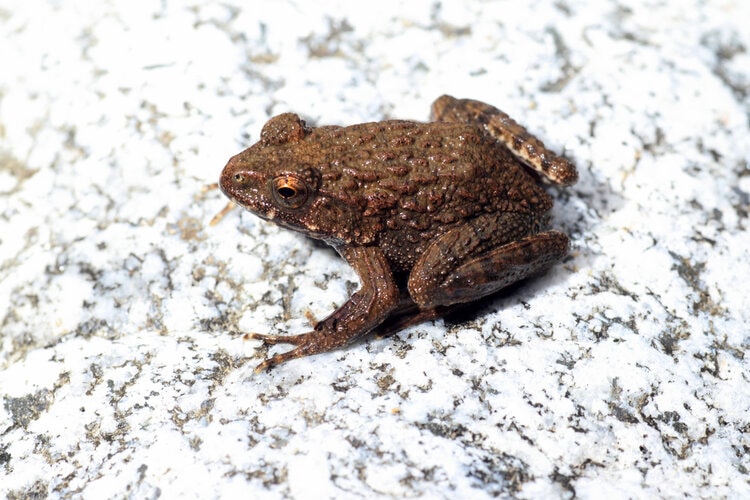
As a dog lover, I know that we want to give our furry friends the freedom to explore and enjoy the great outdoors. But sometimes, dangers lurk in unexpected places – like that unassuming frog in your backyard. Before you let your curious canine roam, it‘s crucial to understand the risks of frog poisoning and how to keep your dog safe.
How Common is Frog Poisoning in Dogs?
While encountering a toxic frog is relatively rare for most pets, the consequences can be severe or even fatal. In regions home to highly poisonous frog species, such as the cane toad in Florida, vets see hundreds of cases of toad toxicity in dogs each year. A study in the Journal of Veterinary Emergency and Critical Care found that 41% of dogs with cane toad poisoning died or were euthanized due to the severity of their condition.
Frog poisoning is most prevalent in dogs during the spring and summer months when the amphibians are breeding. According to a 2019 report from the ASPCA Animal Poison Control Center, they handled over 100 cases of toad toxicity in April alone. And with invasive species like the cane toad expanding their range due to climate change, more pets may be at risk in the coming years.
Understanding Frog Toxins
All frogs and toads can secrete toxins from granular glands in their skin as a defense against predators. The toxicity of their secretions varies widely by species. Most frogs in the U.S. produce irritants that cause localized inflammation but are not systemically harmful. However, a few species native to the southern states and Hawaii contain highly potent poisons that can cause severe illness or death in dogs.
The two most toxic compounds found in frog secretions are:
-
Bufotoxins – These are steroidal toxins found in the parotid glands of certain toads, including the cane toad, Colorado River toad, and other Bufo species. Bufotoxins like bufagenin and bufadienolides inhibit the sodium-potassium pump in cells, leading to cardiac arrhythmias, seizures, and respiratory failure.
-
Batrachotoxin – This is an alkaloid neurotoxin found in the skin of poison dart frogs native to Central and South America. While dogs are unlikely to encounter these frogs in the wild, exotic pet escapes could put pets at risk. Batrachotoxin works by permanently opening sodium channels in nerve cells, causing paralysis and cardiac arrest.
Different frog toxins vary in their mechanisms of action and target different organ systems. Here is a table comparing the toxicity of several frog species known to poison dogs:
| Frog Species | Toxins | Lethal Dose for Dogs | Symptoms |
|---|---|---|---|
| Cane toad (Bufo/Rhinella marina) | Bufotoxins | 1-2 mg bufagenin per kg body weight | Cardiac arrhythmia, seizures, respiratory failure |
| Colorado River toad (Bufo/Incilius alvarius) | Bufotoxins, 5-MeO-DMT | 1-2 mg bufagenin per kg body weight | Cardiac effects, hallucinations, seizures |
| American toad (Anaxyrus americanus) | Bufotoxins | >5 mg bufagenin per kg body weight | Drooling, vomiting, incoordination |
| Pickerel frog (Lithobates palustris) | Indolealkylamines | >200 mg per kg body weight | Salivation, vomiting, diarrhea |
As a general rule, the toxicity of a frog or toad is proportional to the size of its parotid glands. Species with large, prominent glands behind the eyes tend to have more potent secretions.
Risk Factors for Frog Poisoning
Any curious canine can potentially come into contact with a toxic frog, but several factors may increase your dog‘s risk:
-
Size – Small dogs are more susceptible to poisoning because they have a lower toxic threshold. It takes less toad secretion to cause dangerous effects in a Chihuahua compared to a Great Dane.
-
Breed – Terriers, sporting dogs, and hounds with a strong prey drive are more likely to investigate or "mouth" frogs they encounter. Their inquisitive nature puts them at higher risk.
-
Location – Dogs living in regions with highly toxic frog species like the cane toad are at greater risk of dangerous exposure. These amphibians thrive in warm, humid climates in the southern U.S.
-
Outdoor Access – Free-roaming dogs or those with unsupervised access to yards or other outdoor spaces are more likely to find and interact with frogs, especially at night when the amphibians are most active.
Symptoms of Frog Poisoning
The signs of frog toxicity in dogs can range from mild to life-threatening, depending on the species and amount of exposure. Symptoms usually begin within minutes and can progress rapidly. According to veterinary toxicology experts, common signs of poisoning include:
- Drooling or foaming at the mouth
- Pawing at the mouth or face
- Vomiting
- Diarrhea
- Incoordination or difficulty walking
- Dilated pupils
- Muscle tremors or seizures
- Irregular or rapid heartbeat
- Difficulty breathing
- Collapse or loss of consciousness
If you suspect your dog has come into contact with a toxic frog, rinse their mouth thoroughly with water and seek immediate veterinary care. Delaying treatment by just a few minutes can mean the difference between life and death.
Treating Toad Toxicity
Frog poisoning is a medical emergency that requires prompt veterinary intervention. Treatment depends on the type and severity of toxin exposure but typically includes:
- Intravenous fluid therapy to maintain hydration and electrolyte balance
- Medications like atropine to counteract cardiac effects of bufotoxin
- Anticonvulsants to control seizures
- Anti-emetics to reduce vomiting
- Activated charcoal to prevent further toxin absorption in the GI tract
- Respiratory support with oxygen therapy or mechanical ventilation
- Close monitoring of heart rhythm, blood pressure, and neurologic status
Even with aggressive treatment, the prognosis for dogs with severe frog poisoning is guarded. Fatality rates range from 30-40% for cane toad toxicity, with most deaths occurring within the first 24 hours. Dogs that survive the initial toxicity may require several days of hospitalization and supportive care to fully recover.
A personal story illustrates the devastation of losing a dog to toad poisoning. Sarah, a dog mom in Tampa, shared her heartbreaking experience:
"We let our Jack Russell Terrier, Benny, out in the yard one evening and didn‘t realize a cane toad was lurking in the bushes. By the time we found him pawing at his face and foaming at the mouth, it was too late. We rushed him to the emergency vet, but he went into cardiac arrest and couldn‘t be saved. It all happened so fast; we were blindsided. I urge every dog owner to be vigilant about these toxic toads, especially at night. No one should have to lose their beloved pet this way."
Preventing Frog Encounters
As a responsible dog parent, there are several steps you can take to reduce your pet‘s risk of frog poisoning:
-
Supervise outdoor time – Always monitor your dog when they are outside, especially in areas with known toxic frog populations. Don‘t let them roam unsupervised in the yard or on walks.
-
Keep dogs on leash – When walking in parks or natural areas, keep your dog leashed to prevent them from chasing or picking up frogs or toads. Avoid areas with dense vegetation or standing water where amphibians may hide.
-
Toad-proof your yard – Regularly inspect your property for signs of frog activity. Remove potential toad habitats like dense ground cover, leaf litter, and wood piles. Fill in any holes or burrows. Install fencing around ponds or water features.
-
Eliminate food sources – Frogs and toads are attracted to yards with insects, snails, and slugs to eat. Avoid using bright lights at night which lure bugs. Remove pet food bowls and overripe fruit that might entice hungry amphibians.
-
Bring pets indoors at night – Toads are most active from dusk to dawn, so keep your dog inside overnight to minimize encounters. Check your yard for toads before letting your dog out first thing in the morning.
-
Consider professional removal – If you have a large population of toxic frogs on your property, consult a wildlife control company about safe and humane removal options. Some exterminators use special traps or barriers to relocate the amphibians.
Remember, prevention is always the best medicine when it comes to protecting your pooch from dangerous wildlife. But accidents can happen to even the most diligent pet parent. Keep your vet‘s number handy and don‘t hesitate to call if you think your dog has tangled with a toxic toad.
The Bottom Line
As dog devotees, we want our four-legged friends to live life to the fullest. But part of being a responsible pet parent is knowing when to protect them from potential hazards like poisonous frogs. While it‘s impossible to eliminate every risk, taking practical precautions and staying informed about toxic species in your area can help keep your canine companion safe.
If you live in a region with dangerous frogs like the cane toad or Colorado River toad, be extra vigilant about supervising your pet outdoors. Learn to recognize the signs of poisoning and have an emergency plan in place with your veterinarian. With a little knowledge and a lot of love, you can give your dog the best chance at a healthy, happy life free from the perils of frog toxicity.
For more information on toxic and non-toxic frogs in your area, check out these resources:
- ASPCA Animal Poison Control Center Toxic and Non-Toxic Plants Database
- Pet Poison Helpline Poisons Guide
- iNaturalist Frog & Toad Identification Guides
Together, we can hop to it and keep our precious pups safe from the dangers lurking in the lily pads!