From Ratters to Lap Dogs: The Remarkable Journey of the Yorkshire Terrier
Introduction
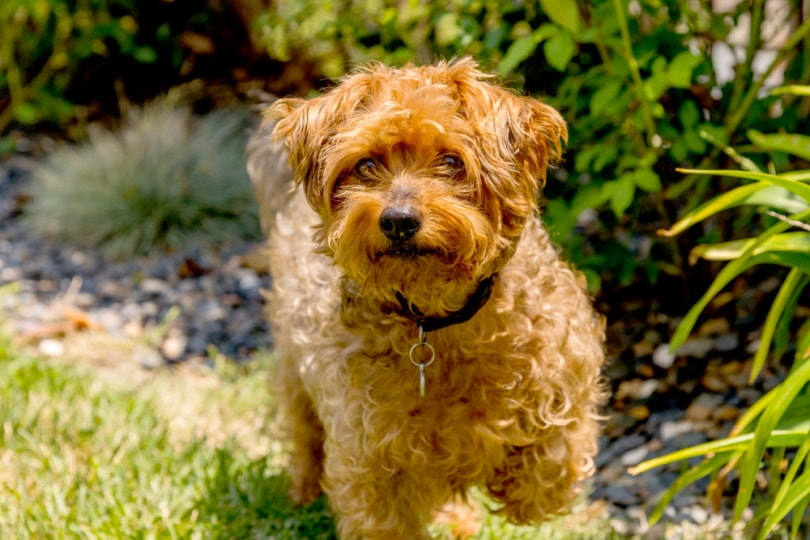
Yorkshire Terriers, or "Yorkies" as they‘re affectionately known, are one of the most popular dog breeds in the world today. With their long, silky coats, feisty personalities, and diminutive size, these little dogs have captured the hearts of millions. But few people know the fascinating history behind this beloved breed – a story that begins not in the lavish homes of Victorian aristocrats, but in the gritty factories and coal mines of 19th-century England.
In this comprehensive guide, we‘ll trace the Yorkshire Terrier‘s incredible journey from tough little ratters to pampered companions, exploring how their unique history continues to shape the breed today. We‘ll delve into the Yorkie‘s role in the world of designer dogs, discuss common health issues and grooming needs, and provide expert tips for living with these lively little dogs. By the end, you‘ll have a newfound appreciation for the big personality packed into this pint-sized pup. Let‘s begin!
The Birth of the Yorkshire Terrier: A Tale of Terriers and Textile Mills
To understand the Yorkshire Terrier‘s origins, we must first travel back to the early 19th century in northern England. This region, particularly in the counties of Yorkshire and Lancashire, was the heart of the country‘s booming textile industry. Massive mills and factories sprang up across the landscape, churning out wool, cotton, and other fabrics at an unprecedented scale.
But with this industrial growth came a serious problem: rats. These vermin thrived in the warm, humid conditions of the mills, feeding on scraps of fabric and grain. They posed a significant threat to both the workers‘ health and the quality of the textiles being produced. According to one estimate, rats caused up to £130,000 worth of damage to Lancashire‘s cotton industry each year – a staggering sum in the 1800s.
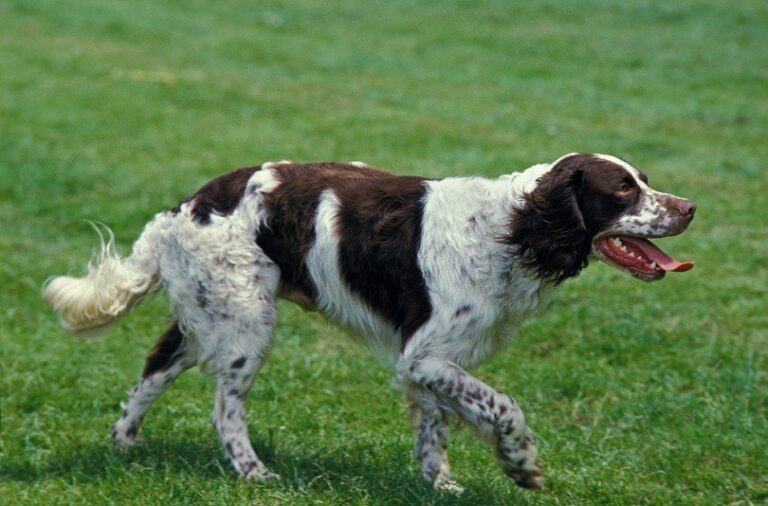
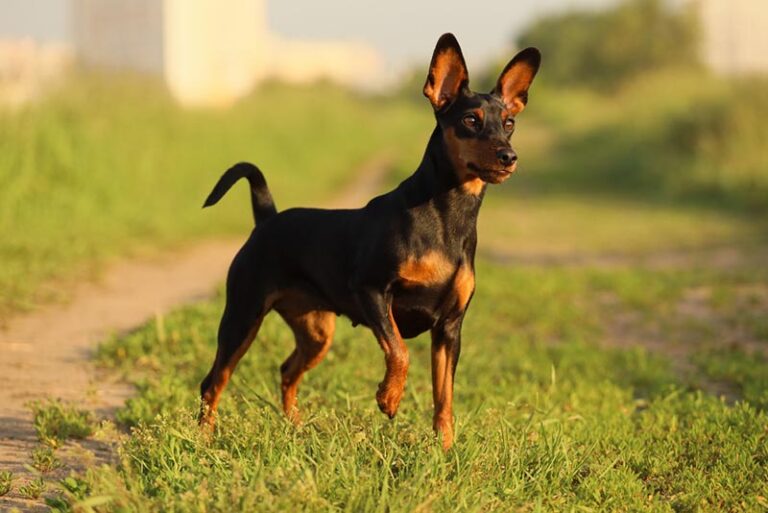
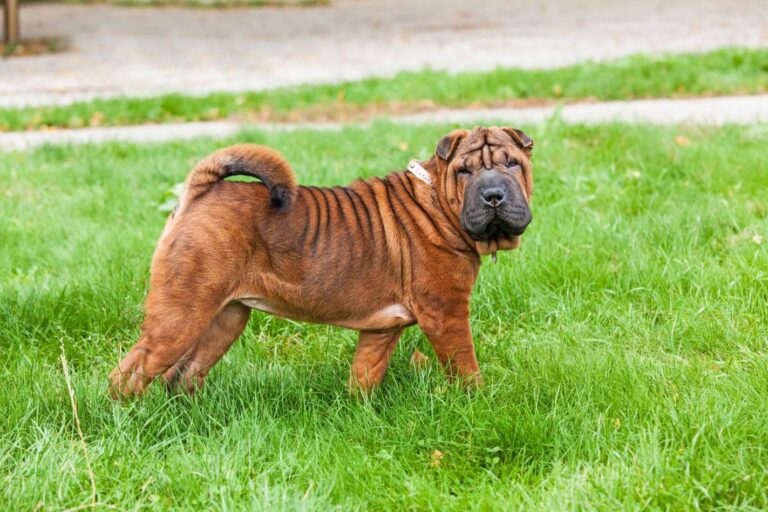
To combat this scourge, mill owners and workers began employing small, feisty terriers to hunt and kill the rats. These dogs, likely a mix of various breeds including the Waterside Terrier, Paisley Terrier, and Black-and-Tan Terrier, were prized for their tenacity, agility, and small size, which allowed them to chase rats into even the tightest corners and crannies.
Over time, these tough little terriers became known as "Broken-Haired Scotch Terriers" or simply "Toy Terriers." They were bred to be increasingly smaller and more adept at their rat-catching duties, with some mills even holding informal contests to see whose dog could kill the most vermin in a given time period.
But the Yorkies‘ talents weren‘t limited to the factory floor. They also proved to be excellent hunting companions, fearlessly pursuing small game like rabbits, badgers, and foxes into their underground dens. Some were even used in the brutal blood sport of rat-baiting, in which dogs competed to kill as many rats as possible in a pit or ring while spectators placed bets on the outcome.
It was in this gritty, working-class world that the foundations of the Yorkshire Terrier breed were laid. But it would take the intervention of a few key players to transform these scrappy little ratters into the glamorous companions we know today.
The Father of the Modern Yorkie: Huddersfield Ben
In the 1860s and 70s, a dog named Huddersfield Ben emerged as the most influential sire in the history of the Yorkshire Terrier breed. Born in 1865, Ben was a striking little dog with a long, blue and tan coat and a confident, charismatic personality. He quickly made a name for himself on the dog show circuit, winning numerous competitions and earning the title of "King of the Toys."
But Ben was more than just a pretty face. He was also an exceptional ratter, rumored to have killed over 200 rats in a single timed event. This combination of good looks and working ability made him a highly sought-after stud dog, and he sired countless litters of puppies that would go on to shape the breed standard we know today.
In fact, many experts consider Huddersfield Ben to be the "father" of the modern Yorkshire Terrier. His influence can be seen in the breed‘s signature silky, floor-length coat, compact body, and confident demeanor. He also played a key role in popularizing the breed among the upper classes, as his success on the show circuit caught the eye of wealthy dog fanciers looking for a fashionable new companion.
From the Factory Floor to High Society
As Huddersfield Ben and his offspring gained fame on the dog show circuit, a new kind of owner began to take an interest in the Yorkshire Terrier: the ladies of Victorian high society. These wealthy women were enchanted by the Yorkie‘s diminutive size, luxurious coat, and spunky personality. They began carrying the little dogs around as living accessories, dressing them up in ribbons and bows and parading them through the streets of London.
This shift in the Yorkie‘s fortunes marked a turning point for the breed. No longer primarily bred for their ratting prowess, Yorkshire Terriers were now being selectively bred for their looks and temperament as well. The rough-and-tumble working dog of the textile mills was being transformed into a fashionable lapdog fit for the drawing rooms of the elite.
By 1886, the Kennel Club of England had officially recognized the Yorkshire Terrier as a distinct breed, cementing its status as a cherished companion animal. And as British colonists and settlers began to spread across the globe, they brought their beloved Yorkies with them, introducing the breed to new audiences in Europe, North America, and beyond.
Yorkies Take America by Storm
The first Yorkshire Terriers arrived in the United States in the late 1870s, and the breed quickly caught on among American dog fanciers. In 1885, the American Kennel Club (AKC) officially recognized the Yorkie, and by the turn of the 20th century, the breed had become a fixture at dog shows and in the homes of well-to-do Americans.
One of the most famous early American Yorkies was a dog named Bradford Harry, who was born in 1899 and went on to win numerous championships across the country. Harry‘s success helped to establish the Yorkshire Terrier as a serious contender in the show ring and further solidified the breed‘s reputation as a fashionable companion animal.
But it wasn‘t until the mid-20th century that the Yorkie truly exploded in popularity in the United States. In the 1940s and 50s, a number of high-profile celebrities began to be photographed with their pet Yorkies, including movie stars like Joan Crawford and Audrey Hepburn. These glamorous images helped to cement the breed‘s status as a must-have accessory for the rich and famous.
Around the same time, a little dog named Smoky was making headlines for her heroic exploits during World War II. Found abandoned in a foxhole in New Guinea, Smoky was adopted by an American soldier named Bill Wynne and went on to accompany him on numerous combat missions. She even earned a place in military history by dragging a telegraph wire through a narrow drainage culvert, saving soldiers from having to expose themselves to enemy fire.
After the war, Smoky and Wynne returned to the United States as celebrities, performing tricks and sharing their story on television and at veterans‘ hospitals. Smoky‘s fame helped to reignite public interest in the Yorkshire Terrier breed, and by the 1960s and 70s, Yorkies had become one of the most popular companion dogs in America.
The Modern Yorkie: Small Dog, Big Personality
Today, the Yorkshire Terrier consistently ranks among the top 10 most popular breeds in the United States, according to AKC registration statistics. In 2020, the breed ranked 12th out of 195 recognized breeds, with over 41,000 individual Yorkies registered.
But while the Yorkie‘s appearance and lifestyle may have changed dramatically since their ratting days, these little dogs have lost none of their signature spark and spirit. Modern Yorkies are known for their bold, confident personalities, their loyalty and affection towards their humans, and their seemingly endless reserves of energy and enthusiasm.
At the same time, the Yorkie‘s small size and portable nature have made them an increasingly popular choice for city dwellers and apartment residents. Weighing an average of just 4 to 7 pounds and standing about 8 to 9 inches tall at the shoulder, Yorkies are the epitome of the "big dog in a small package" archetype.
Of course, this compact size comes with its own set of challenges and considerations. Yorkies can be prone to certain health issues related to their small stature, including luxating patellas (dislocated kneecaps), tracheal collapse, and dental problems. They also require regular grooming to maintain their long, silky coats, which can be prone to tangles and mats if not brushed and trimmed regularly.
But for those who are willing to put in the time and effort, the rewards of Yorkie ownership are immeasurable. These little dogs are known for their fierce loyalty and devotion to their humans, and they make wonderful companions for everyone from busy singles to retirees to families with older children.
Yorkies as Therapy and Service Dogs
In recent years, Yorkshire Terriers have also begun to make a name for themselves in the world of therapy and service work. Thanks to their small size, portability, and friendly nature, Yorkies can make excellent emotional support animals for people with anxiety, depression, or other mental health conditions.
Some Yorkies have even been trained as hearing assistance dogs, alerting their deaf or hard-of-hearing owners to important sounds like doorbells, smoke alarms, and crying babies. While not as common as larger breeds like Labrador Retrievers or German Shepherds, these little dogs have proven that size doesn‘t matter when it comes to making a big difference in people‘s lives.
One such Yorkie is a dog named Charlie, who works as a therapy animal at a children‘s hospital in Florida. Charlie‘s small size and gentle demeanor make him the perfect companion for young patients who may be scared or anxious about their medical treatments. He even has his own miniature doctor‘s coat and stethoscope, which help to put the children at ease and make them feel more comfortable during their hospital stays.
The Importance of Responsible Breeding
As the Yorkshire Terrier‘s popularity has grown over the years, so too has the risk of irresponsible breeding practices. Like many small, trendy breeds, Yorkies have become a target for puppy mills and backyard breeders looking to cash in on their cuteness and marketability.
These unscrupulous breeders often prioritize profit over the health and well-being of their dogs, producing puppies with serious genetic defects and behavioral issues. They may also fail to provide proper socialization, medical care, and living conditions for their breeding stock, leading to a cycle of neglect and abuse.
To combat these problems and ensure the future health and vitality of the Yorkshire Terrier breed, it‘s crucial for prospective Yorkie owners to do their research and only support responsible, ethical breeders. Here are a few key things to look for when selecting a Yorkie breeder:
- Health testing: Responsible breeders will have their breeding stock tested for common genetic disorders like luxating patellas, eye problems, and liver shunts. They should be able to provide proof of these tests and explain how they are working to minimize the risk of these issues in their puppies.
- Socialization: Good breeders will start socializing their puppies from an early age, exposing them to a variety of people, animals, and environments to help them develop into confident, well-adjusted dogs. They should also provide plenty of mental and physical stimulation for their puppies and breeding stock.
- Living conditions: Ethical breeders will raise their dogs in clean, spacious, and enriching environments that meet their physical and emotional needs. They should be willing to show you where their dogs live and answer any questions you have about their breeding practices.
- Contracts and support: Reputable breeders will typically require buyers to sign a contract outlining their responsibilities as Yorkie owners, including provisions for spaying/neutering, regular veterinary care, and training. They should also offer ongoing support and resources to help you raise a happy, healthy Yorkie puppy.
By supporting responsible Yorkie breeders and avoiding puppy mills and pet stores, we can help to ensure that this beloved breed continues to thrive for generations to come.
Conclusion
From their humble beginnings as rat-catching terriers in the textile mills of England to their current status as one of the world‘s most popular companion breeds, the Yorkshire Terrier has undergone a remarkable transformation over the past two centuries. But through it all, these little dogs have retained the signature traits that made them so valuable in the first place: their courage, tenacity, and irrepressible zest for life.
Today, Yorkies continue to bring joy, laughter, and companionship to millions of dog lovers around the world. Whether serving as loyal lapdogs, fierce little watchdogs, or even trained therapy and service animals, these pint-sized pups have proven time and again that size truly doesn‘t matter when it comes to making a big impact.
As we look to the future of this beloved breed, it‘s up to all of us – breeders, owners, and enthusiasts alike – to work together to preserve and protect the Yorkshire Terrier‘s unique heritage and character. By prioritizing health, temperament, and responsible breeding practices, we can ensure that these little dogs will continue to thrive and bring joy to people‘s lives for many years to come.
So the next time you see a Yorkshire Terrier trotting down the street with their head held high and their tail wagging proudly, take a moment to appreciate the incredible journey that this little dog has been on. From the gritty factories of Victorian England to the glittering streets of modern-day Manhattan, the Yorkie has proven itself to be a true survivor – and a beloved companion for the ages.