
Japanese Spitz vs Pomeranian: A Comprehensive Comparison for Dog Lovers
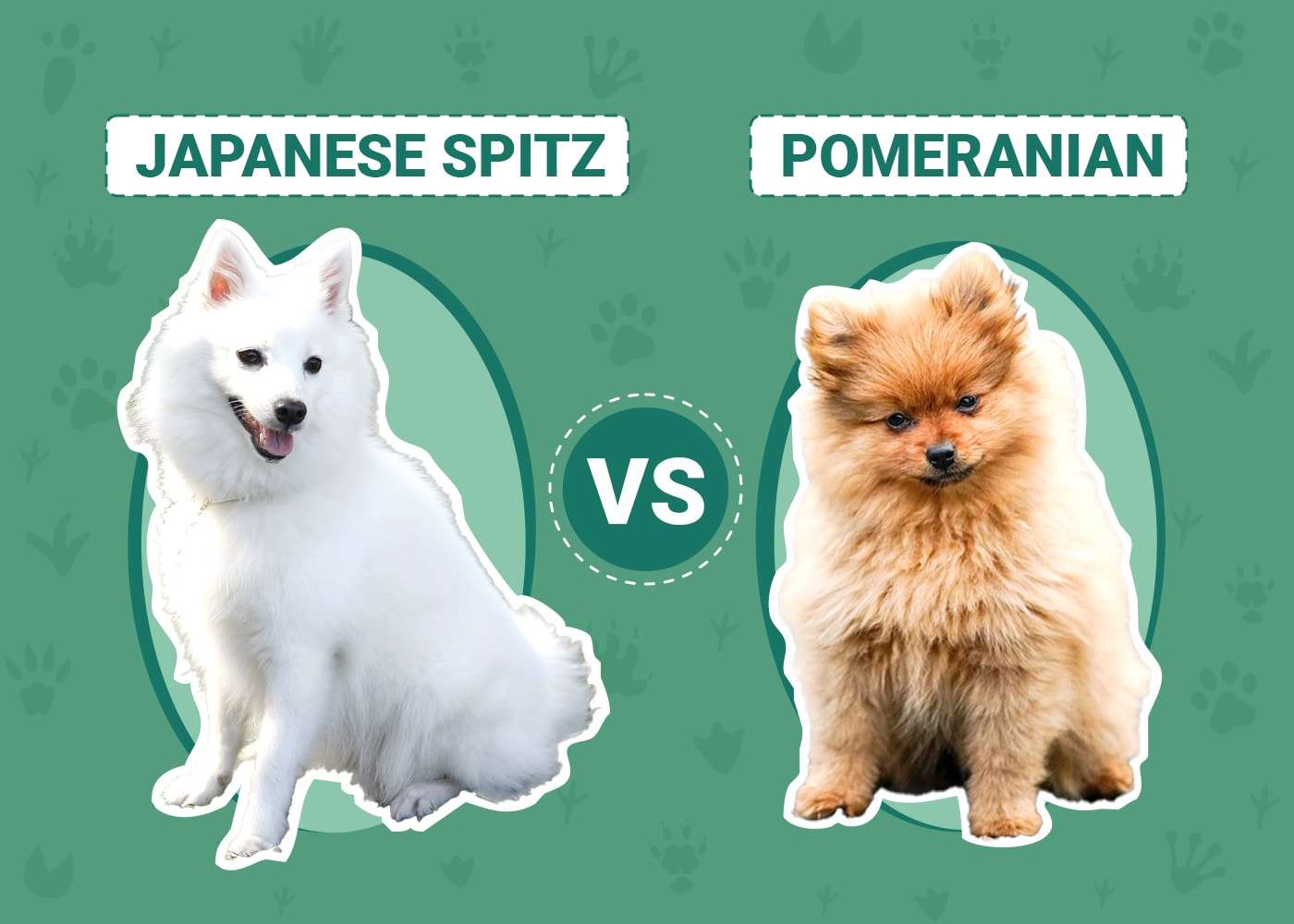
When it comes to choosing a small companion dog, two breeds that often catch the eye of dog lovers are the Japanese Spitz and the Pomeranian. Both of these fluffy, spitz-type dogs are known for their adorable appearance and loyal personalities. However, despite their similarities, Japanese Spitz and Pomeranians have distinct characteristics that set them apart. In this comprehensive comparison, we‘ll explore the history, appearance, temperament, grooming needs, health concerns, and ideal living situations for each breed to help you determine which one might be the perfect fit for your family.
Breed History and Origins
Japanese Spitz
The Japanese Spitz is a relatively new breed, developed in Japan during the 1920s and 1930s. Although their exact ancestry is not clear, it is believed that they descended from white German Spitz dogs that were imported from China and crossed with other small white dogs native to Japan. The breed was created to be a companion dog and quickly gained popularity in Japan for their adorable appearance and friendly personality. Despite their long history in Japan, Japanese Spitz are not currently recognized by major kennel clubs in the United States, such as the American Kennel Club (AKC).
Pomeranian
Pomeranians have a longer and more well-documented history compared to Japanese Spitz. The breed originated in the Pomerania region of Germany and Poland, where they were originally much larger in size. In the 18th century, Pomeranians were brought to England, where they were bred down in size to become the small companion dogs we know today. The breed gained popularity in the 19th century when Queen Victoria took a liking to them and began breeding and showing them herself. Pomeranians were recognized by the AKC in 1888 and have been a beloved companion breed ever since.
Appearance and Size
Japanese Spitz
Japanese Spitz are medium-sized dogs with a fluffy, white double coat. They typically weigh between 10 and 25 pounds and stand 12 to 15 inches tall at the shoulder. Their coat consists of a dense undercoat and a longer, straight outer coat that stands off the body. Japanese Spitz have a pointed muzzle, small, triangular, erect ears, and a heavily plumed tail that is carried over the back.
Pomeranian
Pomeranians are smaller than Japanese Spitz, falling into the toy breed category. They usually weigh between 3 and 7 pounds and stand 7 to 12 inches tall at the shoulder. Pomeranians come in a wide variety of colors and patterns, including red, orange, black, tan, and parti-color. They have a thick, double coat with a soft, dense undercoat and a longer, harsh outer coat that gives them their signature fluffy appearance. Poms have a fox-like face with a short, pointed muzzle, small, erect ears, and a heavily plumed tail that is carried high over the back.
| Breed | Height (inches) | Weight (pounds) |
|---|---|---|
| Japanese Spitz | 12-15 | 10-25 |
| Pomeranian | 7-12 | 3-7 |
Temperament and Personality
Japanese Spitz
Japanese Spitz are known for being lively, playful, and people-oriented. They are generally good with children and other pets, as long as they are socialized from a young age. These dogs have a moderate energy level and are content with daily walks and playtime. They are loyal and affectionate towards their family members and enjoy being involved in household activities. Japanese Spitz are not typically aggressive or territorial, but they can be alert and make good watchdogs.
Pomeranian
Pomeranians have a bold and independent personality, despite their small size. They are inquisitive, alert, and enjoy being the center of attention. Poms can be yappy and may bark excessively if not trained properly, which can make them good watchdogs but may also be a nuisance to neighbors. They are often suspicious of strangers and may not be the best choice for families with very young children, as they can be snappy if handled roughly. Pomeranians have a high energy level and need plenty of exercise and mental stimulation to stay happy and well-behaved.
Training and Exercise Needs
Japanese Spitz
Japanese Spitz are intelligent and eager to please, making them relatively easy to train. They respond best to positive reinforcement training methods, such as praise, treats, and playtime. Consistency and patience are key when training a Japanese Spitz, as they can sometimes be stubborn or independent. These dogs excel in obedience and agility training, which can help strengthen the bond between owner and dog. Japanese Spitz need moderate exercise, such as daily walks and playtime in a securely fenced yard.
Pomeranian
Pomeranians can be more challenging to train compared to Japanese Spitz, especially when it comes to housebreaking. They have a strong will and can be stubborn, so it‘s important to start training early and be consistent. Poms benefit from short, frequent training sessions and plenty of positive reinforcement, such as treats and praise. Socialization from a young age is crucial to help them become well-rounded, confident dogs. Pomeranians need more exercise than their small size might suggest, and they enjoy activities that challenge them mentally, such as puzzle toys and trick training.
Training Tips for Japanese Spitz and Pomeranians:
- Start training early, as soon as you bring your puppy home
- Use positive reinforcement techniques, such as treats, praise, and playtime
- Keep training sessions short and fun to maintain your dog‘s interest
- Be consistent with rules and boundaries
- Socialize your dog with a variety of people, animals, and environments
- Enroll in a puppy training class or work with a professional trainer if needed
Grooming Requirements
Japanese Spitz
Japanese Spitz have a thick, double coat that requires regular grooming to keep it looking its best. They shed seasonally, typically twice a year, and need to be brushed more frequently during these times to remove loose hair. Weekly brushing is recommended throughout the rest of the year to prevent matting and keep the coat clean and healthy. Japanese Spitz do not require frequent bathing, as their coat is naturally self-cleaning. When bathing is necessary, use a mild, dog-specific shampoo to avoid stripping the coat of its natural oils.
Pomeranian
Pomeranians have a thick, double coat that sheds year-round, requiring more frequent grooming compared to Japanese Spitz. They should be brushed at least two to three times a week to remove loose hair, prevent matting, and maintain their fluffy appearance. Poms may also need more frequent trimming and shaping to keep their coat looking neat and tidy. Bathing should be done every three to four weeks, or as needed, using a mild, dog-specific shampoo.
Grooming Tools and Techniques:
- Use a pin brush or slicker brush to remove tangles and loose hair
- A metal comb can be used to gently work through any mats or knots
- Trim hair around the eyes, ears, and paws as needed to keep them clean and tidy
- Regularly brush your dog‘s teeth and trim their nails to maintain overall health and hygiene
Health Concerns and Lifespan
Japanese Spitz
Japanese Spitz are generally healthy dogs, but like all breeds, they can be prone to certain health issues. One common concern is luxating patellas, or dislocated kneecaps, which affect approximately 4% of the breed according to a study by the Orthopedic Foundation for Animals. Japanese Spitz may also be prone to runny eyes due to their facial structure, which can be managed by keeping the area clean and dry. Regular veterinary check-ups and maintaining a healthy weight can help prevent or manage these issues.
Pomeranian
Pomeranians are also generally healthy, but they can be prone to several health concerns. Dental disease is common in the breed, with approximately 42% of Poms showing signs of dental issues by age three, according to a study by the Pomeranian Club of America. Tracheal collapse is another concern, affecting around 7% of the breed. Pomeranians may also be prone to heart problems, luxating patellas, and eye issues such as cataracts or distichiasis (abnormal eyelash growth). Responsible breeders will screen their breeding stock for these health concerns and provide health clearances for their puppies.
| Breed | Lifespan (years) | Common Health Concerns |
|---|---|---|
| Japanese Spitz | 10-16 | Luxating patellas (4%), runny eyes |
| Pomeranian | 12-16 | Dental disease (42%), tracheal collapse (7%), heart problems, luxating patellas, eye issues |
Ideal Home and Owner
Japanese Spitz
Japanese Spitz are adaptable dogs that can thrive in various living situations, including apartments, as long as they receive enough exercise and attention. They are best suited for owners who are home during the day or can provide a midday break for potty trips and playtime. These dogs form strong bonds with their family members and should not be left alone for long periods. Japanese Spitz can be a good choice for families with children or other pets, as they are generally friendly and get along well with others when socialized properly.
Pomeranian
Pomeranians are well-suited for apartment living and do not require a large yard, making them a good choice for urban dwellers or those with limited space. They can be a good fit for owners with less active lifestyles, as they do not need extensive exercise. However, Poms still require daily walks and playtime to stay healthy and happy. Like Japanese Spitz, Pomeranians are companion dogs that thrive on human interaction and should not be left alone for extended periods. They may not be the best choice for families with very young children, as they can be easily injured if handled roughly.
When considering adding a Japanese Spitz or Pomeranian to your family, it‘s essential to research reputable breeders or rescue organizations. Look for breeders who perform health clearances on their breeding stock, provide genetic testing, and prioritize socialization and temperament in their breeding program. Rescue organizations specializing in these breeds can also be a great option, as they often have adult dogs with known personalities and health histories.
Conclusion
Japanese Spitz and Pomeranians are both wonderful companion breeds that can bring joy and love to their owners‘ lives. While they share some similarities in appearance and temperament, they also have unique characteristics that may make one breed a better fit for your lifestyle and family dynamics.
When deciding between a Japanese Spitz and a Pomeranian, consider factors such as your living space, activity level, grooming preferences, and experience with dog training. Both breeds require regular grooming, exercise, and mental stimulation to thrive, but they may have slightly different needs in terms of training and socialization.
Ultimately, the key to a successful relationship with your Japanese Spitz or Pomeranian is to provide them with the love, attention, and care they need to be happy and healthy. By understanding their unique needs and characteristics, you can create a strong bond with your furry companion that will last a lifetime.


