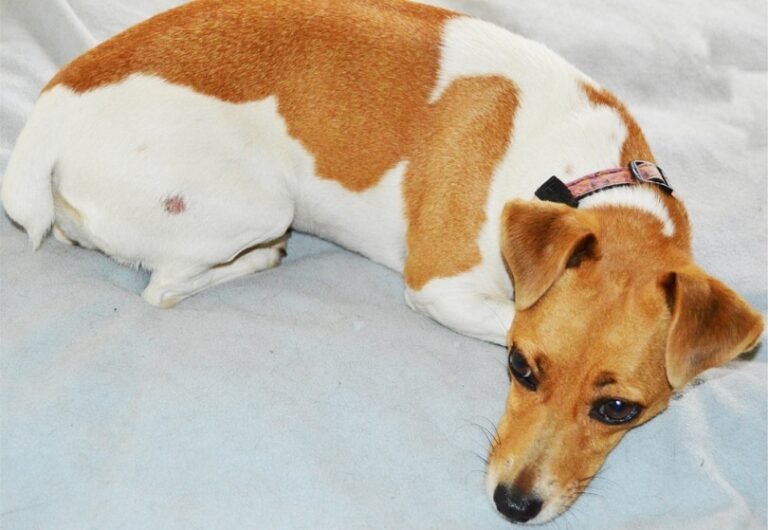
The Jack-a-Poo: A Comprehensive Guide to This Adorable and Lively Hybrid Dog Breed
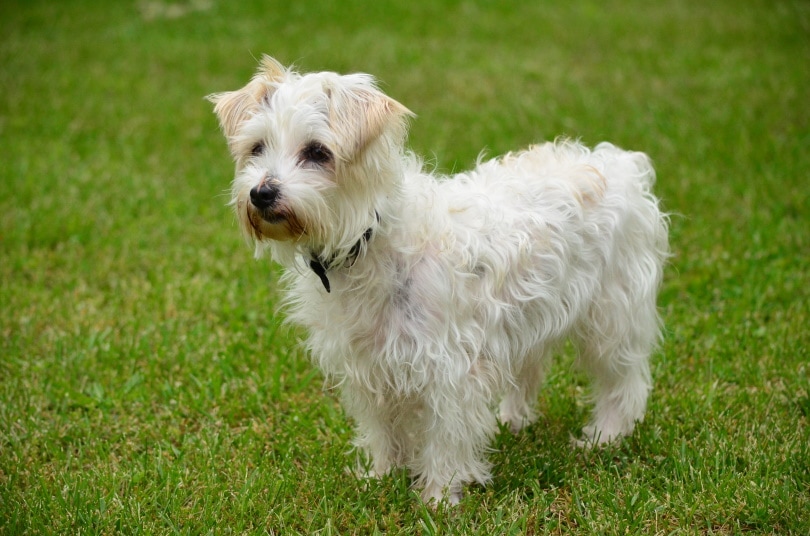
As a lifelong dog lover and veterinarian, I‘ve had the pleasure of working with many different dog breeds over the years. But there‘s one hybrid breed that never fails to bring a smile to my face: the Jack-a-Poo. This adorable cross between a Jack Russell Terrier and a Miniature Poodle has been stealing hearts since it first appeared a few decades ago.
Whether you call them Jack-a-Poos, Jackadoodles, or Jackapoos, there‘s no denying the appeal of these spunky, intelligent little dogs. If you‘re considering adding a Jack-a-Poo to your family, read on to learn everything you need to know about this delightful hybrid breed.
Table of Contents
- History and Origins of the Jack-a-Poo
- Physical Characteristics and Coat Types
- Temperament and Personality Traits
- Training and Exercise Needs
- Grooming Requirements and Coat Care
- Potential Health Issues and Lifespan
- Is a Jack-a-Poo the Right Breed for You?
- Finding a Reputable Jack-a-Poo Breeder or Rescue
- Cost of Owning a Jack-a-Poo
- Conclusion: Why We Love Jack-a-Poos!
1. History and Origins of the Jack-a-Poo
The Jack-a-Poo is a relatively new hybrid dog breed that first emerged in the United States in the 1980s or 1990s. Like many designer dog breeds, they were likely first bred intentionally by crossing two purebred dogs: the Jack Russell Terrier and the Miniature Poodle.
The goal was likely to create a small, intelligent, low-shedding companion dog that combined the best traits of both parent breeds. Jack Russell Terriers are known for their fearless, energetic personalities and compact size, while Poodles are famous for their hypoallergenic coats and trainability.
As a hybrid breed, Jack-a-Poos are not recognized by the American Kennel Club (AKC) and there is no formal breed standard. This means that Jack-a-Poo puppies can vary quite a bit in terms of their exact size, appearance, and temperament depending on which parent breed they favor.
Over the past few decades, the popularity of Poodle mixes like the Jack-a-Poo has soared. According to a study by Pets4Homes, Poodle crosses now account for over 20% of the dog ads on their site, with the Cockapoo, Cavapoo, and Jack-a-Poo being some of the most popular hybrid breeds.
2. Physical Characteristics and Coat Types
One of the most appealing things about Jack-a-Poos is their portable size. Most weigh between 13-25 pounds and stand 10-16 inches tall at the shoulder when fully grown. They have a sturdy, compact build that is slightly longer than tall.
Jack-a-Poo coats can vary quite a bit depending on which parent breed they take after. According to groomer surveys, around 50-60% of Jack-a-Poos have wavy or curly Poodle-like coats, while 30-40% inherit the wiry double coat of the Jack Russell. The remaining 10-20% fall somewhere in between with a combination coat.
The most common coat colors for Jack-a-Poos are:
- White
- Black
- Brown/Chocolate
- Apricot/Tan
- Parti (white with spots of another color)
- Tricolor (white, black, and tan)
Jack-a-Poos with Poodle-type coats tend to be low-shedding and may be a good choice for allergy sufferers. However, they do require regular brushing and professional grooming to prevent matting. Those with Jack Russell coats will shed seasonally and may not be as hypoallergenic.
3. Temperament and Personality Traits
As a hybrid of two intelligent, active breeds, Jack-a-Poos are known for being lively, curious, and quick learners. They are very attached to their human families and love being the center of attention. Most Jack-a-Poos are friendly, outgoing, and sociable dogs that enjoy meeting new people and other dogs.
However, the Jack Russell ancestry gives some Jack-a-Poos a high prey drive and a tendency to bark at every new sight and sound. Early socialization and training are a must to prevent problem behaviors like excessive barking, digging, or chasing small animals.
Properly trained and socialized Jack-a-Poos can make wonderful family pets. They are usually gentle and patient with children, although interactions between dogs and kids should always be supervised. Many Jack-a-Poos also get along well with other dogs and can enjoy having a canine playmate.
While Jack-a-Poos love being active, they are also very affectionate and enjoy quiet cuddle time with their owners. They can be prone to separation anxiety if left alone for long periods, so they do best with owners who work from home or can bring their dog along on outings.
4. Training and Exercise Needs
The Jack-a-Poo‘s intelligence and eagerness to please make them very trainable dogs. They excel at learning tricks, navigating obstacle courses, and playing interactive games. Positive reinforcement techniques like clicker training, treat rewards, and praise work well with this breed.
However, Jack-a-Poos can also have a stubborn streak inherited from their Jack Russell parent. They need consistent, patient training and clear boundaries from a young age. Enrolling in a puppy obedience class can be a great way to socialize your Jack-a-Poo and teach them good manners.
As active little dogs, Jack-a-Poos need at least 30-60 minutes of exercise each day. This can include walks, trips to the dog park, backyard play sessions, and canine sports. Mental stimulation is also important to prevent boredom and destructive behaviors.
Some great ways to exercise a Jack-a-Poo‘s mind and body include:
- Food puzzles and interactive toys
- Games of fetch or tug-of-war
- Hide-and-seek with treats or toys
- Agility or flyball training
- Nose work games
Puzzle feeders can be an easy way to keep a Jack-a-Poo occupied while you‘re busy. Try filling a Kong toy with kibble and peanut butter or scattering treats in the grass for your dog to sniff out.
5. Grooming Requirements and Coat Care
The grooming needs of a Jack-a-Poo will depend on the type of coat they inherit. Those with Poodle-like coats will need to be brushed several times a week and clipped every 4-8 weeks to prevent matting. The curlier the coat, the more often it will need to be groomed.
Jack-a-Poos with Jack Russell-type coats may only need to be brushed a few times a week and trimmed occasionally. They will shed more than their Poodle-coated counterparts but regular brushing can help remove loose fur before it ends up on your furniture.
In addition to coat care, all Jack-a-Poos need their nails trimmed every 3-4 weeks and their ears checked weekly for signs of infection. Dental care is also important for this breed. Daily tooth brushing with a dog-safe toothpaste can prevent tartar buildup and gum disease.
Professional grooming for a Jack-a-Poo typically costs $30-50 per session depending on the area and the dog‘s coat type. Grooming at home can save money but requires an investment in quality tools like clippers, scissors, brushes, and combs.
6. Potential Health Issues and Lifespan
Like all dog breeds, Jack-a-Poos can be prone to certain genetic health problems. However, responsible breeders screen their dogs for common issues and strive to produce healthy puppies. On average, a Jack-a-Poo‘s lifespan is 12-15 years.
Some potential health concerns to be aware of in Jack-a-Poos include:
- Patellar luxation (loose kneecaps)
- Hip dysplasia
- Eye problems like progressive retinal atrophy or cataracts
- Allergies and skin issues
- Mitral valve disease
- Legg-Calve-Perthes disease (decreased blood supply to the femoral head)
- Addison‘s disease
- Epilepsy
"Hybrid vigor may offer Jack-a-Poos some protection against genetic disorders, but it‘s still important for breeders to health test their dogs," says Dr. Sarah Wooten, DVM. "At a minimum, Jack-a-Poos should have their hips, knees, and eyes evaluated before breeding."
Pet insurance can be a good idea for Jack-a-Poo owners in case an unexpected illness or injury occurs. Some top pet insurance providers include Healthy Paws, Embrace, and Petplan. Plans typically cost $30-50 per month depending on the dog‘s age and location.
7. Is a Jack-a-Poo the Right Breed for You?
The Jack-a-Poo can be a wonderful companion for the right owner or family. However, they are not the ideal breed for everyone. Here are some factors to consider before bringing a Jack-a-Poo into your life:
Activity Level: Jack-a-Poos are high-energy dogs that need plenty of exercise and mental stimulation. They do best with active owners who enjoy daily walks, trips to the dog park, and interactive playtime.
Training: While very intelligent, Jack-a-Poos can also be independent thinkers with a stubborn streak. They require patient, consistent training from a young age and ongoing socialization. A Jack-a-Poo may not be the best choice for a first-time dog owner.
Grooming: Depending on their coat type, Jack-a-Poos can be high-maintenance in the grooming department. Those with Poodle-like coats need regular brushing and professional clipping every 4-8 weeks. Owners should be prepared for the time and financial commitment of maintaining a Jack-a-Poo‘s coat.
Barking: The Jack Russell genes give some Jack-a-Poos a tendency to bark at every new sight and sound. While training can help reduce problem barking, this may not be the best breed for apartment living or noise-sensitive owners.
Separation Anxiety: Jack-a-Poos bond very closely with their owners and can suffer from separation anxiety if left alone too often. They do best in homes where someone is around for most of the day. Crate training and alone-time practice from puppyhood can help prevent separation issues.
If you have an active lifestyle, plenty of time to devote to training and socialization, and don‘t mind regular grooming, a Jack-a-Poo could be a great fit for you. These intelligent, affectionate little dogs can adapt well to many different types of homes and bring joy to all who know them.
8. Finding a Reputable Jack-a-Poo Breeder or Rescue
If you‘ve decided that a Jack-a-Poo is the right dog for you, the next step is finding a reputable breeder or rescue organization. Avoid pet stores, online sellers, or backyard breeders who cannot provide health clearances or information about how their puppies were raised.
Here are some tips for finding a responsible Jack-a-Poo breeder:
- Look for a breeder who is a member of a breed club like the Poodle Club of America or the Jack Russell Terrier Club of America
- Ask for health certifications showing that a puppy‘s parents have been tested for genetic issues common to Poodles and Jack Russell Terriers
- Visit the breeder in person to see where the puppies are raised and meet the parent dogs
- Expect a good breeder to ask you questions about your home and lifestyle to ensure their puppies are going to suitable homes
- Avoid any breeder who always has puppies available or lets puppies go to new homes before 8 weeks of age
If you would prefer to adopt, check with local animal shelters and rescue groups for Jack-a-Poo mixes in need of homes. Some rescue organizations focused on Jack-a-Poos and other Poodle mixes include:
- Poo-Mix Rescue
- Russell Rescue
- Carolina Poodle Rescue
- Poodle and Pooch Rescue of Florida
Adopting an older Jack-a-Poo lets you avoid the challenges of puppyhood and gives a deserving dog a second chance at a loving home.
9. Cost of Owning a Jack-a-Poo
Owning any dog is a financial commitment and Jack-a-Poos are no exception. Here is a breakdown of some typical expenses for a Jack-a-Poo puppy in the first year:
- Puppy purchase price: $500-1500
- Initial supplies (crate, bed, leash, etc.): $200-300
- Monthly food and treats: $30-50
- Routine vet care and vaccines: $300-500
- Flea/tick and heartworm prevention: $200-300
- Grooming supplies or professional grooming: $200-500
- Training classes or private sessions: $200-500
- Pet insurance: $300-600
- Miscellaneous expenses (toys, boarding, etc.): $200+
The total first-year cost of a Jack-a-Poo puppy can range from $2000-4000 or more. Ongoing annual expenses typically run $1000-2000 depending on factors like your location, lifestyle, and the individual needs of your dog.
10. Conclusion: Why We Love Jack-a-Poos!
As a veterinarian and lifelong dog lover, I may be biased, but I think Jack-a-Poos are pretty special dogs. From their cute, scruffy faces to their outgoing, affectionate personalities, it‘s hard not to fall in love with these spunky little pups.
"I have been breeding Jack-a-Poos for over a decade and I‘m still amazed by their intelligence and adaptability," says Carol Smith, a longtime Jack-a-Poo breeder in Florida. "They are so eager to please and quick to learn. Watching them play and interact with their families brings me so much joy."
Of course, no breed is perfect and Jack-a-Poos do have their challenges. They can be high-energy, vocal dogs that require plenty of time and attention from their owners. Their grooming needs are also more extensive than some other small breeds.
But for the right person or family, the Jack-a-Poo‘s endearing qualities far outweigh any drawbacks. Their portability, trainability, and loving nature make them wonderful companions for all sorts of homes and lifestyles.
"My Jack-a-Poo, Charlie, is the light of my life," says Sarah Davis, a Jack-a-Poo owner in California. "He‘s so smart and funny, always keeping me on my toes. I can‘t imagine my life without him by my side."
As with any dog breed, researching and choosing a responsible breeder or rescue group is key to finding a healthy, well-adjusted Jack-a-Poo puppy or adult dog. And a commitment to positive training, socialization, and daily exercise will help your Jack-a-Poo thrive.
In the end, the bond between a Jack-a-Poo and their person is a truly special thing. These lovable little dogs wiggle their way into your heart and become an irreplaceable part of the family. And that, to me, is the greatest gift of all.