German Dog Breeds: A Comprehensive Guide for Dog Lovers
Germany is a nation renowned for its contributions to the dog world, having developed some of the most iconic and beloved breeds in existence. From the noble German Shepherd to the powerful Rottweiler, German breeds have captured the hearts of dog lovers worldwide. As a lifelong dog lover and certified veterinary technician with over a decade of experience working with German breeds, I‘ve developed a deep appreciation for these remarkable dogs. In this comprehensive guide, we‘ll explore the rich history, unique characteristics, and enduring legacy of German dog breeds.
The Rich History and Legacy of German Dog Breeding
Germany has a long, storied history of developing dog breeds for specific purposes, dating back centuries. In the 18th and 19th centuries, German breeders began refining local dog populations into distinct breeds with specialized skills in areas like herding, hunting, and guarding. These early breeders placed a strong emphasis on function, temperament, and working ability, laying the foundation for Germany‘s enduring legacy of producing exceptional working dogs.
Many German breeds have served important roles in police and military work, showcasing traits like courage, intelligence, and unwavering loyalty. During World War I alone, Germany deployed over 30,000 dogs in various military roles, with breeds like the German Shepherd, Doberman Pinscher, and Boxer serving as messengers, sentries, and even medical assistants (Lemish, 1996). This tradition of service continues today, with German breeds making up a significant portion of police and military K9s worldwide.
Popular German Breeds and Their Unique Characteristics
Germany has developed an impressive array of dog breeds, each with its own unique characteristics and attributes. Some of the most popular German breeds include:
-
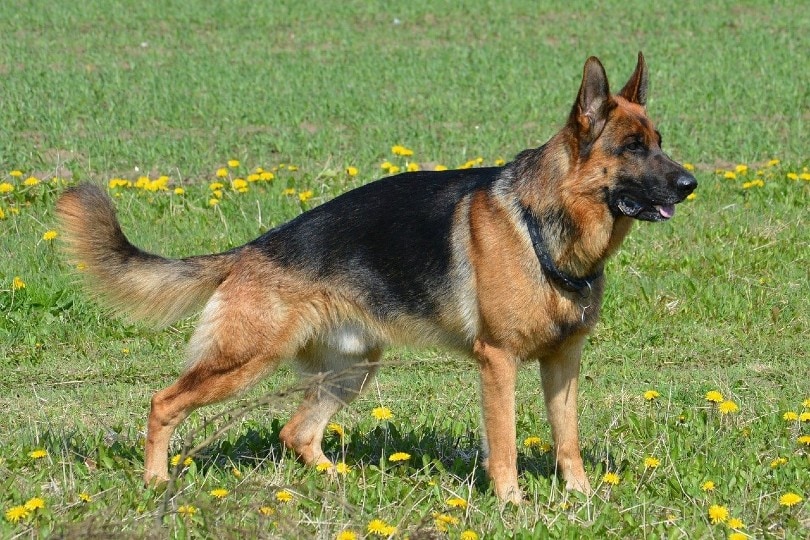
German Shepherd Dog (GSD) – Renowned for their intelligence, trainability, and courage, GSDs consistently rank among the most popular breeds in the US and worldwide (AKC, 2021). They excel in a wide variety of roles, from police and military work to service dog duties and family companionship.
-
Rottweiler – Powerful and confident, Rottweilers have a long history as guardians and working dogs. Today, they continue to serve in law enforcement and military roles, but also make loyal, protective family companions when properly trained and socialized.
-
Doberman Pinscher – Athletic and intelligent, Doberman Pinschers were originally developed as personal protection dogs. While they can be formidable guardians, they are also deeply loyal and affectionate with their families. Like many German breeds, they require dedicated training and socialization.
-
Great Dane – Often called the "Apollo of dogs," the Great Dane is a gentle giant originally bred to hunt wild boar. Despite their imposing size (males can stand over 30 inches at the shoulder and weigh up to 175 pounds), these majestic dogs are known for their friendly, patient demeanor (Great Dane Club of America, 2021).
-
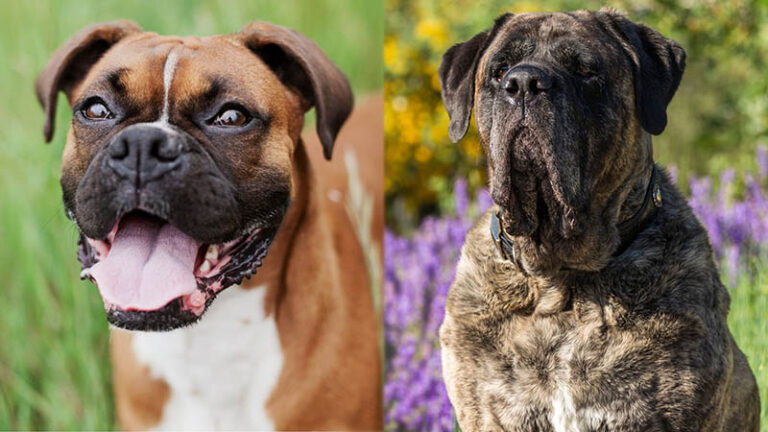
Boxer – Bright, playful, and energetic, Boxers are popular family companions that bond closely with their loved ones. They have a history as working dogs and some still serve in military or guard roles, but today, most are devoted family pets.
Other notable German breeds include the Giant Schnauzer, a powerful working breed; the Weimaraner, a sleek and speedy hunting dog; and the Leonberger, a massive and majestic breed developed in the city of Leonberg.
Rare and Lesser-Known German Breeds
In addition to the well-known German breeds, there are many fascinating lesser-known breeds that deserve recognition. The Bavarian Mountain Hound, for example, is an exceptional tracking dog bred for hunting in mountainous terrain. These powerful, tenacious dogs can track wounded game for miles, showcasing the specialized skills German breeds were developed for.
The Affenpinscher, meaning "monkey terrier" in German, is a small but spunky breed originally used for hunting rodents. With their comical, monkey-like faces and outgoing personalities, these little dogs are now mainly kept as entertaining companion animals. They typically weigh around 7-10 pounds and have a lifespan of 12-14 years (AKC, 2021).
Other rare German breeds include the Bullenbeisser (German Bulldog), a once-celebrated guardian breed that is now extinct; the Lowchen (Little Lion Dog), which nearly went extinct in the 1970s but has since been carefully rebuilt; and the Small Munsterlander, a versatile pointing dog rarely seen outside its native Germany.
Efforts are underway to promote interest in these rare breeds and boost their populations to more sustainable levels. The German Pinscher, for example, is listed as a "vulnerable native breed" by the UK Kennel Club, with only around 3,000 dogs registered worldwide (UK Kennel Club, 2021). Breed preservation is crucial to maintaining the living heritage these unique dogs represent.
German Breeds in Service: Military and Working Dogs
German breeds have a long, proud history of service in both military and civilian roles. Their intelligence, strength, and unwavering loyalty make many German breeds uniquely well-suited for important jobs like police work, search and rescue, therapy work, and more.
The German Shepherd Dog is perhaps the most iconic police and military K9, serving in countless agencies worldwide. According to the American Kennel Club, German Shepherds comprise over 50% of all police dogs in the United States (AKC, 2021). Their keen intelligence, rock-solid nerves, and adaptability to almost any environment make them exceptional partners in high-stakes roles.
Other German breeds commonly employed in working roles include:
- Doberman Pinschers: Often used in police and military work for their speed, strength, and fearless nature.
- Rottweilers: Frequently serve in law enforcement and military roles, where their imposing size and fierce loyalty make them formidable guardians.
- Giant Schnauzers: Less common but well-suited to police and military work due to their strength, intelligence, and work ethic.
- Hovawarts: A rare breed occasionally used for search and rescue, tracking, and disaster relief work.
The specialized skills and unwavering devotion of these German breeds showcase the very best of what Germany has contributed to the dog world. From detecting explosives to comforting the sick, German breeds have served humanity in countless essential roles.
Health and Lifespan of German Breeds
While German breeds are generally robust and healthy, like all purebred dogs, they can be prone to certain genetic health issues. Responsible breeding practices, including health testing of breeding stock, are crucial for producing sound, healthy puppies.
Some health concerns to be aware of in popular German breeds:
- German Shepherd Dogs: Hip and elbow dysplasia, degenerative myelopathy, bloat
- Average Lifespan: 7-10 years (AKC)
- Rottweilers: Hip dysplasia, elbow dysplasia, cancer, heart disease
- Average Lifespan: 9-10 years (AKC)
- Doberman Pinschers: Dilated cardiomyopathy, cervical vertebral instability (Wobbler Syndrome), von Willebrand‘s disease
- Average Lifespan: 10-12 years (AKC)
- Great Danes: Bloat, hip dysplasia, cardiomyopathy
- Average Lifespan: 7-10 years (AKC)
- Boxers: Cancer (especially lymphoma and mast cell tumors), aortic stenosis, hip dysplasia
- Average Lifespan: 10-12 years (AKC)
Prospective owners should research potential health issues for their breed of interest and discuss preventive care with their veterinarian. Regular vet check-ups, a balanced diet, and age-appropriate exercise can all help promote lifelong health and wellness.
Owning a German Dog Breed: What to Know
If you‘re considering adding a German breed to your family, there are several important factors to keep in mind:
-
Exercise Needs: Many German breeds were developed as working dogs and have high energy levels. Breeds like the German Shorthaired Pointer, Weimaraner, and Vizsla need ample daily exercise (upwards of 60-90 minutes) to stay physically and mentally satisfied.
-
Training and Socialization: Proper training and socialization from an early age is crucial for German breeds, especially the larger guardian types like Rottweilers, Dobermans, and German Shepherds. Without appropriate boundaries and guidance, these powerful, intelligent dogs can become challenging to control. Consistent, positive reinforcement training is a must.
-
Prey Drive: Some German breeds, like the German Pinscher and hunting terriers, have strong prey drives and may not do well with smaller pets like cats or rabbits. Careful introductions and management are essential in multi-pet homes.
-
Grooming: Grooming needs vary among German breeds. Short-coated breeds like the Doberman, Weimaraner, and Vizsla are relatively low-maintenance, while breeds with thick double coats like the German Shepherd and Keeshond require more frequent brushing. All dogs need regular dental care, nail trims, and ear cleanings.
-
Lifespan and Health: Many German breeds have relatively short lifespans compared to smaller dog breeds. Giant breeds like the Great Dane and Leonberger typically live only 7-10 years. Prospective owners should be prepared for the financial and emotional commitments of caring for a large breed dog.
Choosing a responsible breeder who health tests their breeding stock and provides lifetime support is one of the best ways to stack the odds in favor of a healthy, well-adjusted puppy. Prospective owners should also research breed-specific rescues, as many wonderful German breed dogs are in need of loving homes.
The Future of German Dog Breeds
As we look to the future, it‘s crucial that we work to celebrate and preserve the amazing diversity of German dog breeds. From the iconic German Shepherd to the rare Bullenbeisser, every German breed has a unique history and set of characteristics that deserve to be cherished and protected.
Breed-specific legislation and misconceptions about certain breeds, especially the guarding types like Rottweilers and Dobermans, pose challenges for breed preservation. Public education about responsible ownership and the importance of early training and socialization is essential for ensuring these remarkable breeds are judged fairly.
Supporting responsible breeders, breed clubs, and rescue organizations is another way dog lovers can help safeguard the future of German breeds. Ethical breeders work tirelessly to produce healthy, sound dogs that represent the best of their breed. Breed clubs and rescues provide education, resources, and adoption services to help these breeds thrive.
As a dog lover and veterinary professional, I‘m committed to advocating for German breeds and helping owners make informed decisions about adding one of these remarkable dogs to their families. Through public education, responsible breeding, and a commitment to maintaining these living legacies, we can ensure German breeds continue to enrich our lives for generations to come.
My Experiences with German Breeds: A Personal Perspective
Over the course of my career, I‘ve had the privilege of working closely with many German breeds, from high-drive working line German Shepherds to goofy, gregarious Boxers. I‘ve witnessed firsthand the intelligence, loyalty, and unbridled enthusiasm that make these dogs so special.
One of my most memorable experiences was with a German Shepherd named Max, who served as a drug detection dog for a local police department. Max‘s handler brought him in for a routine check-up, and I was struck by the incredible bond they shared. Through thousands of hours of training and real-world deployments, Max and his handler had developed a partnership built on trust, respect, and unwavering loyalty.
As I watched Max work through a series of obedience exercises and detection drills, I was in awe of his focus, precision, and drive. He was a true testament to the German Shepherd‘s unparalleled working abilities and the breed‘s enduring legacy of service.
On the other end of the spectrum, I‘ve also had the joy of caring for countless German breed companions, from regal Great Danes to spunky Miniature Schnauzers. I‘ve seen how these intelligent, devoted dogs become cherished members of the family, offering love, laughter, and unconditional support.
One of my favorite patients was a Boxer named Rosie, who came in for her annual check-ups with her tail wagging a mile a minute. Rosie‘s zest for life was infectious, and she had a special talent for making everyone in the clinic smile. Her family doted on her, and it was clear that she brought immense joy to their lives.
Experiences like these have only deepened my appreciation for German breeds and the unique qualities they possess. From their impressive working abilities to their devoted companionship, these dogs have so much to offer the humans lucky enough to share their lives.
Conclusion
German dog breeds have left an indelible mark on the world, captivating dog lovers with their intelligence, loyalty, and versatility. From the noble German Shepherd to the playful Boxer, these breeds showcase the best of Germany‘s dog breeding legacy.
As we‘ve explored in this comprehensive guide, German breeds have a rich history of serving in specialized roles, from herding and hunting to police and military work. They‘ve also become cherished companions, offering unwavering devotion and love to their families.
Despite their many admirable qualities, German breeds face challenges, from health issues to breed-specific legislation. As dog lovers and advocates, it‘s up to us to support responsible breeding practices, promote public education, and work to preserve these remarkable breeds for future generations.
My personal experiences with German breeds have only reinforced my belief in their extraordinary abilities and endearing qualities. From working K9s to beloved family pets, these dogs have enriched countless lives and will continue to do so for years to come.
If you‘re considering adding a German breed to your life, I encourage you to do your research, choose a responsible breeder or rescue organization, and prepare to embark on a life-changing journey with one of these incredible dogs. With dedication, love, and a commitment to meeting their needs, you‘ll be rewarded with a loyal, loving companion unlike any other.
Here‘s to the German dog breeds that have captured our hearts and the enduring legacy they represent. May we continue to celebrate, protect, and cherish these remarkable dogs, now and always.
References:
- American Kennel Club. (2021). German Shepherd Dog. Retrieved from https://www.akc.org/dog-breeds/german-shepherd-dog/
- American Kennel Club. (2021). Most Popular Dog Breeds of 2020. Retrieved from https://www.akc.org/expert-advice/dog-breeds/most-popular-dog-breeds-of-2020/
- American Kennel Club. (2021). Affenpinscher. Retrieved from https://www.akc.org/dog-breeds/affenpinscher/
- Great Dane Club of America. (2021). About the Breed. Retrieved from https://gdca.org/about-the-breed/
- Lemish, M. G. (1996). War Dogs: A History of Loyalty and Heroism. Potomac Books.
- UK Kennel Club. (2021). Vulnerable Native Breeds. Retrieved from https://www.thekennelclub.org.uk/media-centre/breed-registration-statistics/vulnerable-native-breeds/