
Basset Retriever (Golden Retriever & Basset Hound Mix): Pictures, Guide, Info & Care
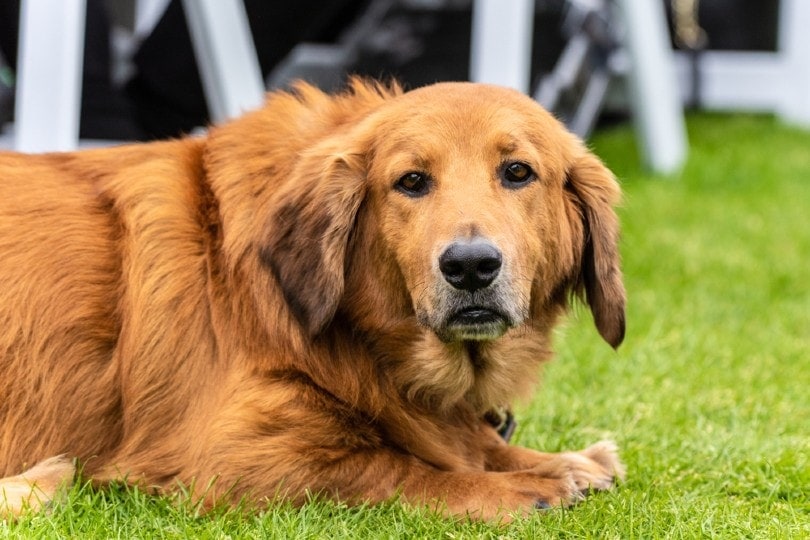
The Basset Retriever: A Lovable, Loyal Hound with a Heart of Gold
Are you looking for a friendly, good-natured dog with the laid-back personality of a hound and the eager-to-please nature of a retriever? Then the Basset Retriever may be your perfect match! This unique designer dog combines two of the most beloved breeds – the droopy-eared Basset Hound and the ever-popular Golden Retriever. The result is an affectionate, even-tempered companion with a delightfully distinct look. As a veterinarian and lifelong dog lover, I‘m excited to share an in-depth guide to this wonderful hybrid breed.
Breed History and Origins
The Basset Retriever is a relatively new addition to the world of designer dogs. While their exact origins are unclear, these hybrids likely first emerged in the 1990s or early 2000s as breeders experimented with crossing purebred Basset Hounds and Golden Retrievers. The goal was to create a friendly family pet with the best traits of both parent breeds – the gentle, patient nature and keen nose of the Basset Hound combined with the retriever‘s outgoing, eager-to-learn personality and luscious coat.
As more dog lovers discovered the charms of the Basset Retriever, demand for this hybrid grew. However, it‘s important to note that as a mixed breed, Basset Retrievers are not recognized by major kennel clubs like the AKC. Responsible breeders focus on producing healthy, good-natured dogs rather than adhering to a strict breed standard.
Physical Characteristics
One of the first things you‘ll notice about a Basset Retriever is their unique appearance that blends features from both parent breeds. They typically have a sturdy, low-set body like a Basset Hound but with the longer, silky coat of a Golden Retriever. Most weigh between 40 to 60 pounds and stand 12 to 15 inches tall, with males usually on the larger end of the spectrum.
The Basset Retriever‘s head is a charming combination – a domed skull, square muzzle, and long, droopy ears like a Basset Hound with the softer, more rounded features and friendly expression of a Golden. Their medium-length double coat comes in shades of gold, cream, red, or a mix of these colors, sometimes with white markings. The tail is long and feathered, carried gaily or in a gentle curve.
With their sturdy bone structure and muscular build, Basset Retrievers have an air of strength and stamina in a compact package. Overall, they have a distinctly houndy look softened by the sweet, gentle warmth of a Golden Retriever. It‘s an endearing combination that‘s sure to melt your heart!
Temperament and Personality
The Basset Retriever‘s temperament is a delightful blend of the best traits from their Basset Hound and Golden Retriever heritage. Like Basset Hounds, they tend to be calm, patient, and a bit stubborn at times. But they also inherit the Golden‘s famously friendly, people-oriented nature and eagerness to please.
Most Basset Retrievers are outgoing, affectionate dogs who love being around their humans. They‘re known for their gentle, even temperaments and make excellent family companions, even in households with children. While not as high-energy as purebred Golden Retrievers, they still require daily exercise and plenty of playtime to stay happy and healthy.
As with both parent breeds, the Basset Retriever has a strong prey drive thanks to their hunting heritage. They may instinctively chase after small animals, so a securely fenced yard and leash walks are a must. They also tend to be quite vocal, with a deep, melodious howl like a hound. Prepare for some "singing" from your Basset Retriever!
One of the Basset Retriever‘s most endearing qualities is their keen sense of smell. With their large, low-set ears and wrinkled brow, they funnel scents directly to their sensitive hound nose. Watching a Basset Retriever track an interesting smell, completely absorbed in the task, is a special sight. Just don‘t be surprised if they follow their nose and momentarily tune you out!
While every dog is an individual, most Basset Retrievers are big softies at heart. They adore their people and love nothing more than snuggling up for a nap or belly rub. With their gentle, humorous personalities and expressive faces, Basset Retrievers have a special knack for worming their way into your heart.
Training and Exercise Needs
Like all dogs, Basset Retrievers require proper training and socialization from an early age. Luckily, they are typically eager to learn and respond well to positive reinforcement methods like praise, play, and treats. The key is to keep training sessions short, fun, and interesting to hold your Basset Retriever‘s attention.
Thanks to their Basset Hound heritage, Basset Retrievers can have a bit of a stubborn streak at times. They‘re not as biddable as purebred Golden Retrievers and may occasionally dig in their heels if they don‘t feel like complying. Patience, consistency, and a sense of humor are essential when training a Basset Retriever. But with time and dedication, they can learn good manners and basic obedience.
While Basset Retrievers are not as high-energy as some breeds, they still need daily exercise to stay fit and mentally stimulated. A couple of 30-minute walks plus some playtime or backyard romping should suffice for most. They tend to love swimming, fetching, and sniffing out interesting scents. Puzzle toys and games are also a great way to engage their intelligent minds.
Just be cautious not to overexercise your Basset Retriever, especially when they are young and still growing. Like Basset Hounds, they are prone to back problems and joint issues if they put too much strain on their long spines. Avoid letting them jump down from heights or take on strenuous hikes until they reach maturity around 18 months old.
Grooming and Care
One look at the Basset Retriever‘s luxurious coat, and you might think they require hours of brushing. But luckily, their grooming needs are quite manageable for a medium-long coated breed. Plan on brushing your Basset Retriever at least a couple times a week to remove loose fur and prevent tangles. They will shed moderately year-round and more heavily as the seasons change.
Those long, velvety ears are one of the Basset Retriever‘s most beautiful features – but they do require some extra care. The ear canal stays dark and moist, an environment where bacteria and yeast can thrive. Make a habit of gently cleaning your Basset Retriever‘s ears with a vet-approved solution at least weekly to prevent infections.
Other than that, a Basset Retriever‘s care is quite straightforward. Trim their nails regularly to prevent painful overgrowth, and brush their teeth often with a dog-friendly toothpaste. A occasional bath with a gentle shampoo will keep their coat clean and healthy. Overall, Basset Retrievers are a relatively low-maintenance breed when it comes to grooming.
Health and Lifespan
As a hybrid breed, Basset Retrievers may be prone to any of the health issues that affect their parent breeds. From the Basset Hound side, watch out for joint problems like hip and elbow dysplasia, eye issues like glaucoma and cherry eye, and bleeding disorders like Von Willebrand‘s disease. Golden Retrievers can be prone to cancer, heart disease, hypothyroidism, and joint problems as well.
The best way to avoid health issues is to get your Basset Retriever from a reputable breeder who health tests their dogs and carefully selects breeding pairs. Keeping your dog at a healthy weight with proper nutrition and exercise also goes a long way toward preventing problems down the road.
With proper care, Basset Retrievers typically live between 10 to 12 years on average. While no dog lives long enough, a decade or more with a Basset Retriever is sure to be filled with love, laughter, and plenty of cozy cuddles.
Fun Facts About Basset Retrievers
-
With their dense bone structure and sturdy build, Basset Retrievers often weigh more than you‘d expect for their compact size. Many exceed 50 or even 60 pounds despite standing only around 14 inches tall at the shoulder.
-
Basset Retrievers are known for being very food motivated, a trait they inherit from both parent breeds. They are often willing to learn new tricks or behaviors with the promise of a tasty reward – but are also skilled at begging for table scraps with their soulful expressions.
-
The name "Basset" comes from the French word "bas" meaning "low." It refers to the Basset Hound‘s short stature – and those adorably stubby legs get passed on to the Basset Retriever as well.
-
Basset Retrievers are incredibly affectionate with their families but can be a bit aloof with strangers, thanks to their Basset Hound reserve. They are watchful and alert but rarely aggressive, making them excellent companions but mediocre guard dogs.
Final Thoughts
If you‘re looking for a loyal, loving companion with a fun-loving spirit and a cozy, cuddly nature, a Basset Retriever may be your ideal match. These unique dogs combine the best of the hound and sporting dog worlds in one adorable, easy-going package.
While Basset Retrievers do require a commitment to training, exercise, and healthcare, the rewards of having one in your life are immense. There‘s nothing quite like the affection of a gentle hound – or the exuberant love of a Golden. With a Basset Retriever, you truly get the best of both.
As a veterinarian, my biggest piece of advice for potential Basset Retriever owners is to do your research and find a responsible, reputable breeder. Look for a breeder who invests in their dogs‘ health and temperament and is committed to placing puppies in loving, forever homes. Alternatively, keep an eye out for Basset Retrievers in shelters and rescue groups. No matter where your pup comes from, get ready for a devoted friend who will bring joy and humor to your days.
With their big hearts and endearingly droopy faces, Basset Retrievers are sure to capture your affections. If you open your home to one of these special dogs, get ready for years of loyal companionship, cozy snuggles, and plenty of houndy howls. The love of a Basset Retriever is a truly special thing – and with the right care and commitment, you‘ll have a devoted friend for life.



:%20Pictures,%20Guide,%20Info%20&%20Care)