Green Discharge from Your Pregnant Dog: What Every Owner Needs to Know
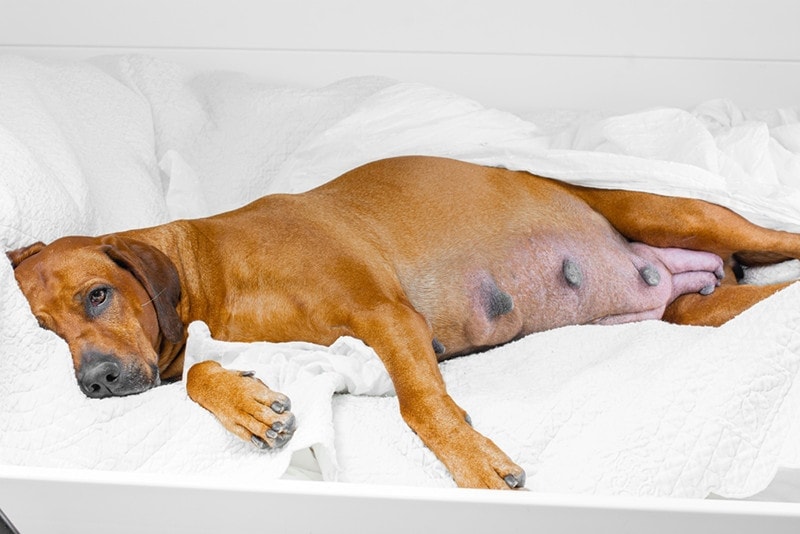
As a dog lover and soon-to-be "puppy parent," you want to be prepared for every stage of your dog‘s pregnancy, especially the momentous occasion of welcoming new life into the world. Witnessing your furry friend go through the whelping process can be both exciting and nerve-wracking, particularly if you‘re unsure what‘s normal and what‘s cause for concern.
One startling sight that may catch you off guard is the appearance of green discharge from your dog‘s vulva. This strange hue can be alarming, but is it a natural part of the birthing process or a sign that something‘s gone awry? In this comprehensive guide, we‘ll decode the mystery of green discharge and equip you with the knowledge to confidently navigate your dog‘s whelping journey.
Understanding the Whelping Timeline
The typical gestation period for dogs is around 63 days, give or take a few days. As the due date approaches, your dog will begin to exhibit signs that labor is imminent. Familiarizing yourself with the three stages of canine labor can help you better support your pet through this incredible process.
Stage 1: Preparing for Delivery
The first stage of labor can last anywhere from 6 to 36 hours. During this time, you may notice the following signs:
- Restlessness and nesting behavior
- Loss of appetite
- Clear vaginal discharge
- Mild panting or trembling
- Rectal temperature drop (below 100°F/37.8°C)
This stage culminates with the beginning of visible abdominal contractions, signaling that active labor has commenced.
Stage 2: Active Labor and Puppy Delivery
Once stage 2 begins, you can expect your dog to start actively pushing. Other indicators of this stage include:
- Intense contractions occurring every 30-60 seconds
- Heavy panting and whimpering
- Straining or squatting as if to defecate
- Clear or straw-colored vaginal discharge
Puppies should begin to arrive within 1-2 hours of the onset of stage 2. According to a study by the American Kennel Club, the average litter size across all breeds is 5-6 puppies, but this can vary significantly based on breed and individual factors[^1^].
[^1^]: American Kennel Club. (2021). Litter Size in Dogs.Stage 3: Delivering the Placentas
After each puppy emerges, your dog will deliver its corresponding placenta. This is where you may notice a greenish-black discharge, which we‘ll explore in more detail shortly. Puppies typically arrive every 30-60 minutes, but don‘t panic if your dog takes a break between deliveries. Pauses of up to 4 hours can be normal, especially for large litters[^2^].
[^2^]: Whelping Puppies. (n.d.). The Stages of Dog Labor When Pregnant.Deciphering the Green Discharge
Now, let‘s tackle the question on every dog owner‘s mind: what‘s the deal with that unsettling green discharge?
The Science Behind the Color
Each developing puppy is encased in its own fluid-filled amniotic sac and connected to the mother‘s uterus via an umbilical cord and placenta. The placenta acts as a conduit, providing nutrients and oxygen to the fetus while removing waste products. As the puppy prepares to enter the world and the placenta begins to separate, a green pigment called uteroverdine is released into the amniotic fluid[^3^].
[^3^]: The Spruce Pets. (2022). Why Does My Dog Have Green Discharge Before Whelping?Uteroverdine is a normal byproduct of placental separation and is what gives the discharge its characteristic greenish hue. So, if you notice a green discharge just before a puppy arrives (sometimes called "prepartum green" or "green water"), take a deep breath and prepare to welcome a new bundle of joy within the next 30-60 minutes.
Normal vs. Concerning Green Discharge
While green discharge is a common occurrence during whelping, there are times when it can indicate a problem that requires swift intervention. To help you differentiate between normal and worrisome scenarios, refer to this handy chart:
| Situation | Normal or Concerning? | Action |
|---|---|---|
| Green discharge just before a puppy arrives | Normal | Get ready to greet the new arrival! |
| No puppy within 1-2 hours of seeing green discharge | Concerning | Contact your vet, as a puppy may be stuck in the birth canal |
| Dark green or excessive discharge before active labor begins | Concerning | Call your vet immediately, as this may indicate placental separation or a puppy in distress |
| Continuous green discharge for more than 15 minutes without a puppy | Concerning | Reach out to your vet, as a puppy may be lodged in the birth canal |
If you‘re ever unsure whether what you‘re seeing is normal, always err on the side of caution and consult with your veterinarian.
Supporting Your Dog Through Labor
Whelping can be an intense and exhausting experience for your dog, both physically and emotionally. As a devoted owner, there are several ways you can offer support and comfort throughout the process:
- Provide a quiet, secluded space for your dog to labor and deliver, free from household chaos and other pets.
- Ensure your dog has access to fresh water and easily digestible food, as she may not have much of an appetite.
- Speak to your dog in a calm, reassuring tone and offer gentle praise and affection when appropriate.
- Avoid unnecessary interference, as most dogs instinctively know what to do. Only intervene if you notice signs of distress or prolonged labor without progress.
- Have your vet‘s number and an emergency clinic number on hand in case any complications arise.
Remember, your dog looks to you for guidance and trusts you to make the best decisions for her well-being. By staying informed, prepared, and attentive, you can be the rock she needs during this transformative time.
Postpartum Care for Mother and Puppies
Once all the puppies have arrived and the placentas have been delivered, your focus shifts to postpartum care for the mother and her newborns. Key aspects of care include:
- Monitoring the mother for signs of postpartum complications, such as excessive bleeding, retained placentas, or mastitis.
- Ensuring the puppies are nursing well and gaining weight. Newborns should nurse every 2-3 hours and gain 5-10% of their body weight daily[^4^].
- Keeping the whelping area clean and dry to prevent infections.
- Scheduling a postpartum vet checkup for the mother and puppies within 24-48 hours of delivery.
As Dr. Shari Brown, a veterinarian specializing in reproductive medicine, notes, "Proper postpartum care is essential for the health and well-being of both the mother and her puppies. By monitoring the mother closely, ensuring the puppies are thriving, and maintaining a hygienic environment, owners can help prevent complications and give the new family the best start possible."
The Importance of Responsible Breeding
Witnessing the miracle of birth and raising a litter of puppies can be an incredibly rewarding experience. However, it‘s crucial to approach dog breeding with a sense of responsibility and commitment to the well-being of both the parents and the offspring.
Before deciding to breed your dog, consider the following:
- Ensure your dog is physically and mentally healthy, with no hereditary disorders that could be passed on to the puppies.
- Choose a mate that complements your dog‘s temperament and conformation, with the goal of producing puppies that adhere to breed standards.
- Have a plan in place for the care and placement of the puppies, ensuring they‘ll go to loving, responsible homes.
- Be prepared for the financial costs associated with breeding, including veterinary care, genetic testing, and emergency expenses.
If you‘re not equipped to handle the responsibilities of breeding, it‘s perfectly okay to enjoy your dog‘s companionship without reproducing. In fact, spaying or neutering your pet can offer numerous health benefits and help combat pet overpopulation.
The Bottom Line
Navigating your dog‘s pregnancy and whelping journey can be a mix of excitement, anxiety, and uncertainty, especially when confronted with surprising sights like green vaginal discharge. By arming yourself with knowledge and preparation, you can approach the experience with confidence and focus on what matters most: supporting your furry friend and welcoming her precious puppies into the world.
Remember, your veterinarian is always your best resource for guidance and support throughout your dog‘s reproductive journey. Don‘t hesitate to reach out with any concerns or questions, no matter how small they may seem. With your love, attentiveness, and dedication, you and your dog can weather any challenges and emerge as a stronger, more bonded team.