Discovering the Caravan Hound: India‘s Royal Hunting Dog


Have you ever heard of the Caravan Hound? Also known as the Mudhol Hound or Pashmi, this ancient Indian breed is a well-kept secret outside its homeland. But for those fortunate enough to know them, Caravan Hounds are cherished for their elegance, endurance, and unwavering loyalty.
As a lifelong dog lover and sighthound enthusiast, I‘m fascinated by the Caravan Hound‘s rich history and unique qualities. Join me on a journey to uncover the secrets of these royal hunting dogs, from their beginnings on the Deccan Plateau to their lives in modern homes around the world.
A Legacy of Endurance and Grace
The Caravan Hound‘s story is woven into the tapestry of Indian history. For centuries, these swift and tireless hunters accompanied trading caravans across the Deccan Plateau, providing protection and helping to feed their human companions. Carvings of dogs resembling Caravan Hounds have been found in temples dating back to the 2nd century A.D.

Despite their long heritage, Caravan Hounds nearly faced extinction in the early 1900s. Their savior was Shrimant Rajesaheb Malojirao Ghorpade of the Mudhol state, who began a breeding program to preserve the dogs. In 1958, The Kennel Club of India registered its first Caravan Hounds. A breed standard was established in the 1970s.
Today, India‘s Ministry of Home Affairs has recognized the Caravan Hound as a native Indian breed. Roughly 750 families across the states of Maharashtra and Karnataka are involved in breeding and promoting these special dogs.
Regal Looks and Royal Purpose
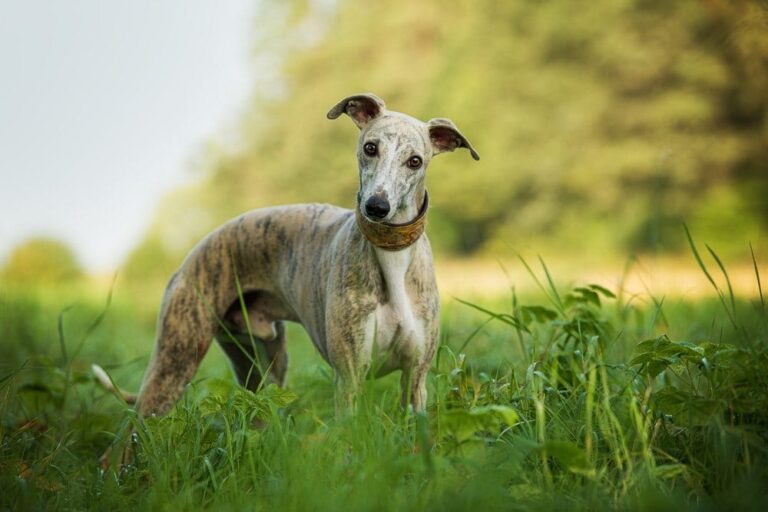
One glance at a Caravan Hound reveals a dog built for speed and stamina. They‘re tall and lean, with long legs and a deep chest perfect for running. Males typically stand 27-29 inches at the shoulder and weigh 55-75 pounds, while females are 23-27 inches and 45-65 pounds.
The Caravan Hound‘s short, smooth coat comes in shades of red, fawn, cream, black, and gray. Their noble head, complete with almond-shaped eyes and rosebud ears, is held high on a long, arched neck. The overall impression is one of effortless athleticism and grace.
These physical traits made Caravan Hounds successful hunters of small game like rabbits and hares. Even today, the breed retains a strong prey drive and loves a good chase. Fittingly, they make excellent competitors in lure coursing, where their speed and agility are on full display.
Gentle Hearts and Fierce Loyalty
Caravan Hounds may have the instincts of hunters, but they have the hearts of lapdogs. Raised as companions as well as hunters, the breed forms incredibly deep bonds with their humans. They‘re known for their gentle, sensitive nature and desire to please.
While Caravan Hounds are protective of their loved ones, they‘re too dignified to be scrappy guard dogs. Instead, they make excellent watchdogs, alerting their families to anything unusual with a deep bark. Strangers are met with polite aloofness until proper introductions are made.
Erica Weisman, a Caravan Hound breeder in the United States, puts it this way: "Caravan Hounds are very affectionate and in tune with their people. They‘re always watching you, always aware of your moods and needs. It‘s like they can see into your soul."
Caring for a Caravan Hound
As sighthounds bred for endurance, Caravan Hounds are not for everyone. These dogs require extensive exercise and thrive with active, dedicated owners. Expect to provide a minimum of one hour per day of vigorous activity, whether that‘s running, hiking, or playing in a securely fenced area.
Caravan Hounds can adapt well to homes with older children who understand how to gently interact with dogs. They enjoy the company of other hounds but have a high prey drive toward small animals. Early socialization and training are essential for teaching the dogs appropriate behavior.
A typical day in the life of a Caravan Hound might look like this:
- 7:00 AM – Wake up, stretch, and enjoy a morning potty break
- 7:30 AM – Eat breakfast and go for a 30-60 minute walk or jog
- 9:00 AM – Play games of fetch or tug to burn off mental energy
- 10:00 AM – Settle down for a nap while the humans are away
- 3:00 PM – Another potty break and some one-on-one cuddle time
- 5:00 PM – A post-work hike or training session with dinner to follow
- 7:00 PM – Quiet family time on the couch and a final potty break
- 10:00 PM – Bedtime in a cozy dog bed or human bed if allowed
Dr. Anil Gaikwad, a veterinarian in Maharashtra, India, shares his tips for Caravan Hound care. "This is generally a robust breed with few genetic issues. The key is keeping them lean, as extra weight puts strain on their joints. Regular parasite prevention, dental care, and vet check-ups will catch any developing problems. And of course, never skimp on exercise."
Fun Facts About Caravan Hounds
-
Due to their rarity, a well-bred Caravan Hound puppy can cost $1000 to $2500.
-
Indian royalty and nobility often received Caravan Hounds as gifts. The Mudhol family famously presented King George V with two of the dogs.
-
Caravan Hounds have been featured on Indian postage stamps, showcasing their importance in the nation‘s history and culture.
-
Selective breeding has given Caravan Hounds larger ears than most sighthounds, allowing them to better locate prey by sound as well as sight.
-
The breed is gaining popularity as an eco-friendly alternative to toxic pesticides. Caravan Hounds are used in parts of India to humanely control crop-destroying rodents and rabbits.
Preserving a Legacy
Despite their incredible history and qualities, Caravan Hounds remain a rare breed. Dedicated fanciers are working to promote the dogs both within India and internationally on a small scale.
By supporting responsible preservation breeders, we can ensure a future for this ancient and noble breed. Caravan Hounds have much to teach us about loyalty, resilience, and the unbreakable bond between humans and dogs.
As Weisman says, "Every day with a Caravan Hound is a gift. They ask a lot of you in terms of time and effort, but they give back so much more in love and companionship. I can‘t imagine my life without them."
Perhaps it‘s time for more of the world to discover the hidden treasure that is the Caravan Hound. With their regal history, stunning looks, and huge hearts, these dogs deserve to be cherished for generations to come.
Caravan Hound Breed Comparison
| Breed | Height (in) | Weight (lbs) | Lifespan | Coat Type | Grooming |
|---|---|---|---|---|---|
| Caravan Hound | 23-29 | 45-85 | 12-15 | Short, smooth | Minimal |
| Greyhound | 27-30 | 60-88 | 10-14 | Short, smooth | Minimal |
| Saluki | 23-28 | 35-65 | 12-14 | Silky, feathered | Moderate |
| Afghan Hound | 25-27 | 50-60 | 12-14 | Long, silky | Extensive |
Data sourced from breed standards and canine health studies.
As this comparison shows, the Caravan Hound falls in the middle of common sighthound breeds in terms of size. They boast a relatively long lifespan and easy-care coat, making them a lower maintenance option than some other hounds.
Join the Caravan
If you‘re intrigued by the Caravan Hound‘s history and qualities, I encourage you to learn more. Connect with preservation breeders, meet the dogs in person, and support efforts to promote the breed.
Who knows? You may find yourself falling in love with these gentle, regal dogs just as I have. And in opening your heart to a Caravan Hound, you‘ll become part of their story – a legacy of endurance, grace, and unconditional love.
Together, we can ensure that the Caravan Hound remains a cherished companion for centuries to come, treasured not just in their native India, but in loving homes around the world. After all, there‘s nothing quite like the joy of discovering an ancient breed and making their story part of your own.