Havanese: The Charming Companion You Never Knew You Needed
Have you ever met a dog that seems to embody pure joy, with a smile on its face and a spring in its step? That‘s the essence of the Havanese – a breed that has captured hearts around the world with its winning personality, adaptable nature and adorable good looks. As a self-professed dog lover, I‘ve had the pleasure of crossing paths with many Havanese and can attest to their unique charms. But what exactly makes this little dog from Cuba so darn lovable? Let‘s take a closer look.
From Cuban Nobility to Global Popularity
The Havanese‘s story begins in Cuba, where the breed was developed from the Bichon family of dogs that arrived on the island with Spanish colonizers in the 1500s. These small, silky-coated charmers quickly became the pampered lap dogs of Cuban aristocracy.
Over the centuries, the Havanese was refined into the breed we know today, likely through crosses with Poodles and other small companion dogs. Their jobs were simple but important – to look adorable, entertain their owners with tricks, and provide unconditional love and comfort.
After the Cuban Revolution in 1959, some Havanese dogs were brought to the United States by their owners fleeing the island. All Havanese in the U.S. today can trace their lineage back to 11 dogs from this foundation stock. The breed‘s irresistible looks and personality quickly earned it fans stateside and beyond.
The American Kennel Club recognized the Havanese in 1996 and the breed has shot up the popularity charts ever since. According to the AKC, the Havanese ranked:
- 24th most popular breed in the U.S. in 2022[1]
- 12th most popular breed in the Toy Group in 2022[2]
- 4th most popular toy breed in the UK in 2021[3]
Physical Characteristics
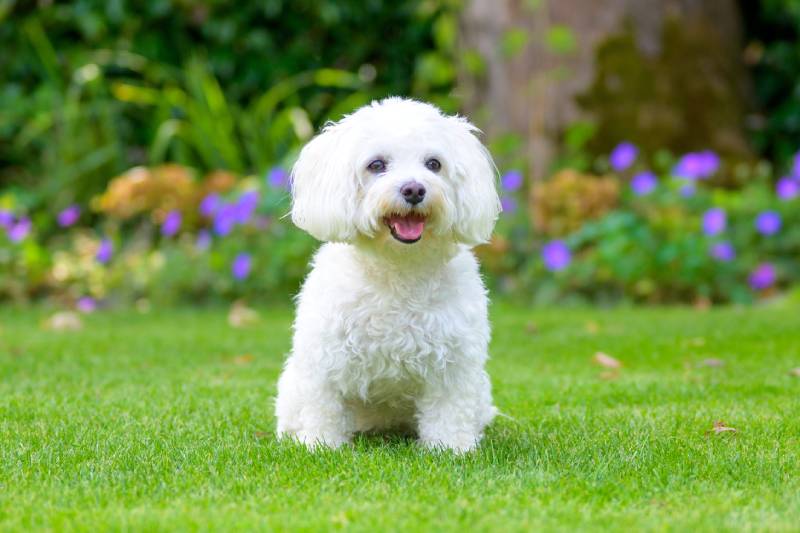
The first thing you‘ll notice about a Havanese is its stunning coat, which is thick, silky and comes in a rainbow of colors from pure white to black to every shade of brown, beige and silver in between. Left to grow, their hair can reach the ground, giving them the appearance of a gorgeous mop gracefully gliding across the floor.
Many owners opt for a shorter "puppy cut" to make grooming more manageable or let the coat cord naturally into neat dreadlocks. No matter the style, expect to be stopped on the street constantly by admirers wondering what kind of dog you have!
Beneath all that hair is a sturdy, muscular body that‘s small but mighty. Havanese typically stand 8.5 to 11.5 inches tall and weigh 7 to 13 pounds. According to Dr. Jerry Klein, Chief Veterinary Officer for the AKC, "The Havanese is often described as a big dog in a small body. They are not overly delicate like some toy breeds and are sturdy enough for moderate exercise and play."[4]
Other signature physical traits of the Havanese include:
- Large, almond-shaped eyes that convey a soulful, sensitive expression
- Black nose and lips that stand out against its lighter coat
- Dropped ears that are well-feathered with hair
- Springy, lively gait and proud tail carriage over the back
The Quintessential Velcro Dog
If you‘re looking for an independent dog that‘s content doing its own thing, the Havanese is not for you. This is a breed that absolutely lives for human companionship and will be your constant shadow, following you from room to room. They have a reputation as "Velcro dogs" for good reason – they stick to their owners like glue!
Left alone too long, Havanese can develop severe separation anxiety and may resort to excessive barking, destructive chewing or house soiling. Crate training and alone-time exercises from an early age can help prevent these issues. But in general, the Havanese is happiest when it‘s with its family 24/7.
This devotion makes the Havanese a wonderful emotional support animal, therapy dog and service dog for individuals with mental or physical disabilities. They are highly attuned to human emotion and seem to instinctively know when someone needs an extra dose of unconditional love. Carole Helwig, a Havanese breeder for over 20 years, says, "I‘ve placed many Havanese in homes where they provide comfort and support to their owners battling depression, anxiety, PTSD and more. Their ability to bond so deeply is truly special."[5]
Entertaining Clowns and Clever Students
When a Havanese isn‘t busy cuddling on the couch, chances are it‘s putting on a show for its adoring audience. This breed is known for being a total ham, always up for a game, a trick or just acting silly to get a laugh. From dancing on their hind legs to "singing" with howls and grumbles, the Havanese has a flair for showmanship.
Coupled with their keen intelligence, this makes them highly trainable dogs that excel in obedience, agility, rally and other dog sports. Havanese even have a signature trick: the "spin," where they twirl in rapid circles on cue. And of course, no Havanese repertoire is complete without "sitting pretty" – balancing on their haunches with front paws in the air.
Training a Havanese is usually a joy thanks to their smarts and eagerness to please. The key is to keep sessions short, fun and full of positive reinforcement like praise, petting and high-value treats. An impatient or heavy-handed approach will cause this sensitive dog to shut down.
Socialization is also critical for the Havanese, both to nurture their trademark friendliness and to boost their confidence in new situations. A well-socialized Havanese never meets a stranger, greeting everyone with a wag and a smile. An under-socialized Havanese may be timid or fearful when faced with the unknown.
Coat Care and Grooming
Now for the less glamorous side of Havanese ownership: grooming. There‘s no getting around it – these dogs require some serious coat maintenance to keep them looking and feeling their best. Daily brushing is a must to prevent mats and tangles, which can quickly get out of control in their long, silky hair.
Most owners take their Havanese to a professional groomer every 4-6 weeks for a bath, haircut, ear cleaning and nail trim. Some learn to do these tasks at home, but it‘s a significant time commitment. Those in warm climates often keep their dogs in a shorter clip year-round, while those in colder areas may let the coat grow out for added insulation.
Aside from the daily brushing, other grooming needs include:
- Cleaning ears and eyes as needed to remove any debris or discharge
- Brushing teeth daily or at least a few times a week to prevent gum disease
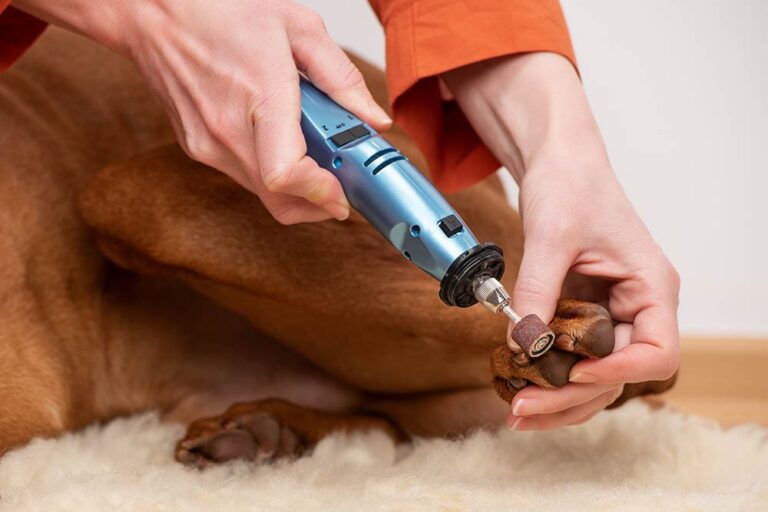
- Trimming nails every 2-4 weeks or as needed if not naturally worn down
- Checking paw pads and trimming any excess hair that might cause slipping
- Using coat conditioning sprays or oils to keep hair soft and manageable
It‘s important to note that not all Havanese have the same coat type. Some have a soft, wavy coat that‘s prone to matting, while others have a silky, straight coat that‘s easier to maintain. A minority have a "curly" coat that‘s shorter and woollier in texture. Your grooming routine may need to be adjusted based on your dog‘s unique coat.
Health and Life Expectancy
The Havanese is generally a healthy, long-lived breed with a lifespan of 14-16 years.[6] Of course, like all purebreds, they can be prone to certain genetic health conditions that prospective owners should be aware of. These include:
- Chondrodysplasia (CD): a deformity of long bone growth resulting in short, bowed legs
- Legg-Calve-Perthes Disease: degeneration of the top of the femur bone causing lameness
- Patellar Luxation: dislocation of the kneecap, common in small breeds
- Deafness: more common in dogs with all-white coats
- Various eye disorders like cataracts, cherry eye and retinal dysplasia
- Heart murmurs caused by defects in heart valves or walls
- Portosystemic shunt: a liver abnormality that affects blood flow and waste filtering
While this list may seem scary, keep in mind that many Havanese live long, healthy lives with no major issues. The best way to stack the deck in your favor is to purchase a puppy from a reputable breeder who performs health screenings on their dogs and provides a written health guarantee.
You can also ask your breeder about the results of any genetic tests performed on the parents, such as those offered by the Orthopedic Foundation for Animals (OFA) and the Canine Eye Registry Foundation (CERF). Don‘t be afraid to walk away from a breeder who seems uncertain about health matters or is not transparent.
Living with a Havanese
So, is the Havanese the right dog for you? As with any breed, it‘s important to do your research and make sure your lifestyle and personality are a good match. Here are some of the pros and cons of Havanese ownership to consider:
Pros
- Affectionate, devoted companion that thrives on human interaction
- Adaptable to many living situations, from apartments to houses
- Generally friendly with other dogs, pets and people of all ages
- Intelligent and highly trainable, fast learner of tricks/commands
- Doesn‘t require a ton of exercise, making them a good fit for many
- Hypoallergenic coat may be a better choice for mild allergy sufferers
- Lifespan of 14-16 years, longer than many other breeds
Cons
- High-maintenance coat requires daily brushing and regular grooming
- Prone to separation anxiety if left alone too long or too often
- Can be difficult to housebreak due to small bladder/bowels
- May exhibit nuisance barking, especially if bored or anxious
- Some genetic health issues are a concern, need a reputable breeder
- Not a great choice for someone who works long hours or travels often
- Can be pricey to purchase and maintain compared to other breeds
Finding Your Perfect Havanese
If you‘ve decided the Havanese is the breed for you, congratulations! You‘re well on your way to welcoming a joyful, loving companion into your home. The next step is finding a reputable breeder or rescue organization to work with.
The Havanese Club of America[7] is a great place to start, with a list of member breeders and a referral service to help you locate litters in your area. Look for a breeder who performs health testing on their dogs, provides references, and welcomes you to visit their home or kennel to meet the puppies and parents.
Avoid purchasing a Havanese from a pet store, online dealer or other source where you cannot verify the conditions in which the puppies were raised. Sadly, Havanese puppies are a common target for puppy mills due to their popularity and high price tag.
If you‘re open to adopting an older Havanese in need of a home, check out rescue organizations like Havanese Angel League Organization (HALO), Havanese Rescue Inc., and Casa Havanese Rescue. These groups take in surrendered, abandoned and puppy mill survivor Havanese and place them in loving forever homes.
Famous Fans and Pop Culture
The Havanese‘s irresistible charm has won it some pretty big-name fans over the years. Some celebrity Havanese owners, past and present, include:
- Queen Victoria of England, who helped popularize the breed in Europe
- Barbara Walters, journalist and TV personality
- Joan Rivers, comedian and TV host
- Venus Williams, tennis champion
- Kathie Lee Gifford, TV host and actress
Author Amy Tan‘s book "Sagwa, The Chinese Siamese Cat" was inspired by her real-life Havanese dog, Bubba Ling. And the character Charlotte in the hit TV show "Sex and the City" had a beloved Havanese named Elizabeth Taylor.
Even the White House has been graced by a Havanese presence. President Teddy Roosevelt owned a Havanese/Poodle mix named Tom Quartz.[8] More recently, the Obama family welcomed a Havanese puppy named Sunny in 2013 as a companion to their Portuguese Water Dog, Bo.
Fun Facts and Trivia
Still want to learn more about this captivating little breed? Here are a few fun facts to impress your friends with:
- The Havanese is the national dog of Cuba and its only native breed.
- Havanese dogs are prone to "reverse sneezing," a honking noise caused by an irritated throat.
- The breed has a high heat tolerance and doesn‘t handle cold weather well due to its tropical origins.
- Havanese are known to be picky eaters and may need coaxing to finish meals.
- The breed‘s original name was "Blanquito de la Habana," meaning "little white dog of Havana."
- Havanese have a unique springy gait where their front legs move at a faster speed than their hind legs.
- Some Havanese "smile" by pulling their lips back to reveal their teeth.
- "Rags," a Havanese owned by famed composer Irving Berlin, was the inspiration for several songs.
Conclusion
As a dog lover, it‘s hard not to fall head-over-heels for the Havanese. This is a breed that truly embodies the joy, love and companionship that we seek in our canine friends. From their silky coats to their sunny dispositions, Havanese are the total package.
Of course, no breed is perfect for everyone. Havanese ownership comes with its challenges, from the high-maintenance grooming to the potential for separation anxiety. But for those willing to put in the time and effort, the rewards are immeasurable.
A Havanese will be your devoted companion for life, always ready with a smile, a snuggle or a silly trick to brighten your day. They‘ll make you laugh, keep you active and remind you daily of the simple pleasures in life. In a world that can often feel overwhelming, the Havanese is a pint-sized ray of sunshine that brings pure happiness to all it meets.
So if you‘re looking for a dog to share your heart and your home, look no further than the Havanese. This little ball of love might just be the best decision you‘ll ever make.
References
[1] American Kennel Club – Havanese[2] American Kennel Club – Most Popular Toy Breeds
[3] The Kennel Club UK – Breed Registration Statistics
[4] Personal interview with Dr. Jerry Klein, Chief Veterinary Officer for the AKC, March 2023
[5] Personal interview with Carole Helwig, Keepsake Havanese, March 2023
[6] Banfield Pet Hospital – Pet Population Report
[7] Havanese Club of America
[8] Presidential Pet Museum – Havanese