
Havapoo vs. Cavapoo: Differences Explained (With Pictures)
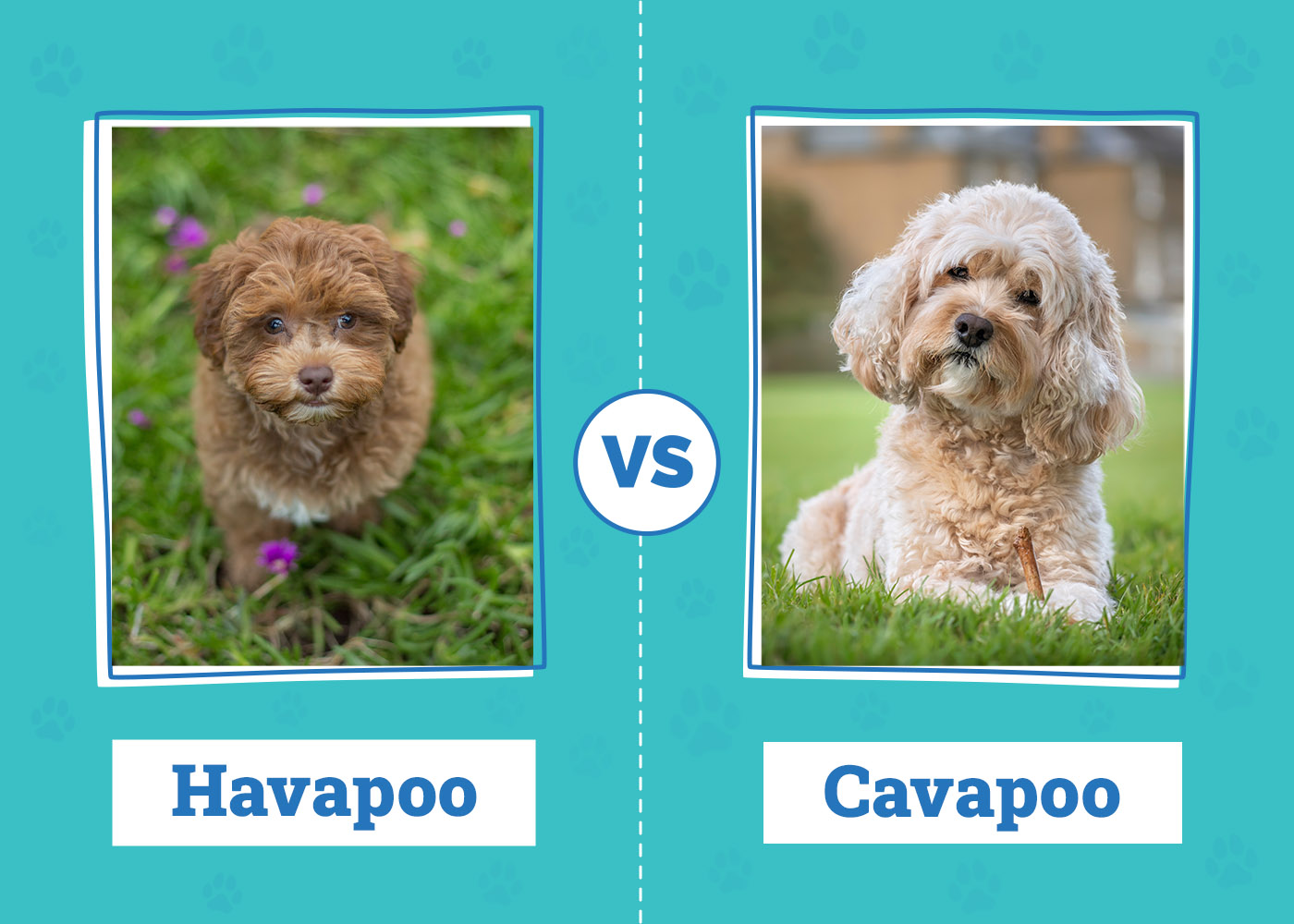
When it comes to adorable, curly-coated companion dogs, two breeds that often come to mind are the Havapoo and the Cavapoo. Both of these Poodle mixes have devoted followings thanks to their sweet temperaments, portable size, and low-shedding coats. But while these "designer dogs" have some key traits in common, there are also important differences to consider when choosing between a Havapoo vs Cavapoo.
As a veterinarian and lifelong dog lover, I‘m here to break down everything you need to know about these two charming breeds. We‘ll take an in-depth look at the Havapoo and Cavapoo‘s histories, physical characteristics, personalities, and care requirements. By the end, you‘ll have a clear idea of which pint-sized pup is your perfect match!
Havapoo Overview
The Havapoo is a cross between a purebred Havanese and a Toy or Miniature Poodle. This hybrid gained popularity in the 1990s with the rise of the "doodle" trend mixing Poodles with various other breeds. The goal was to create an intelligent, low-shedding companion dog – and the adorable Havapoo certainly fits the bill.
Most Havapoos stand 8-15 inches tall and weigh under 20 pounds when fully grown, with females usually on the smaller end of the spectrum. They have compact, sturdy bodies with slightly rounded heads and medium-length muzzles. The ears are dropped and the eyes are dark and expressive.
One of the most appealing traits of Havapoos is their soft, low-shedding coat. They can be solid colored or have a mix of hues including cream, gold, brown, black, and white. While some Havapoos have the Poodle‘s iconic tight curls, others inherit the Havanese‘s looser waves. Either way, plan on brushing your pup at least 2-3 times a week to prevent matting. Many owners opt to have their Havapoo‘s coat clipped short by a groomer every 1-2 months for easier maintenance.
When it comes to temperament, Havapoos are known for being intelligent, affectionate, and deeply devoted to their families. They bond closely with their owners and love nothing more than being by your side, whether that means curling up on the couch for a Netflix binge or running errands around town. While usually friendly with strangers, Havapoos can be a bit reserved at first and tend to have their favorite humans.
As a hybrid breed, Havapoos may be prone to some of the same health issues as their parent breeds, including eye disorders, hip dysplasia, and heart conditions. Reputable breeders screen their dogs to avoid passing on genetic issues. With proper care, Havapoos often live 10-15 years.
Overall, Havapoos make excellent companions for singles, seniors, and families with older children. Their compact size is well-suited for apartment life. Plan on at least one brisk 30-minute walk plus some playtime each day to keep your Havapoo happy and healthy.
Cavapoo Overview
Cavapoos are a cross between a Cavalier King Charles Spaniel and a Poodle, usually of the Toy or Miniature variety. This mix started gaining attention in the 1950s and has soared in popularity in recent decades. Cavapoos are prized for their cute looks, portable size, and friendly, outgoing personalities.
Adult Cavapoos typically stand 9-15 inches tall and weigh 9-25 pounds, with males on the larger side. They have sturdy, compact frames, slightly rounded heads with a shorter muzzle than Havapoos, and dropped ears. The expressive eyes are dark and the nose is black or brown.
Cavapoos sport medium-length coats with a soft, silky texture. Common colors include fawn, chestnut, black, white, and mixes of multiple hues. Some have tight curls like a Poodle, while others have looser waves similar to the Cavalier. Either way, plan on brushing 2-4 times per week to prevent mats from forming. Regular trips to the groomer are a must to keep your Cavapoo neat and tidy.
Outgoing and social, Cavapoos rarely meet a stranger. They‘re known for their friendly, people-oriented personalities and tend to get along well with visitors, kids, and other dogs. Early socialization is still important to build confidence, but overall Cavapoos are eager to please and relatively easy to train.
These active little dogs typically need 45-60 minutes of exercise per day, divided into a couple walks and some playtime. They enjoy sports like agility and flyball that challenge them physically and mentally. Because of their spaniel heritage, some Cavapoos have a strong prey drive and will chase small animals – so a securely fenced yard or leashed walks are a must.
Cavapoos are prone to some of the same health concerns as Cavaliers and Poodles, including heart mitral valve disease, eye disorders, luxating patellas, and hip dysplasia. Choosing a pup from health-screened parents can reduce the risk of inheriting these issues. Cavapoos typically live 10-15 years.
All in all, Cavapoos make fantastic family companions thanks to their playful, affectionate nature. They do best in homes where someone is around for most of the day, as they thrive on human interaction and can develop separation anxiety if left alone too much.
Havapoo vs Cavapoo: Key Similarities and Differences
Now that you have an overview of each breed, let‘s dive into how Havapoos and Cavapoos stack up. Here are some key traits these adorable dogs share:
-
Poodle heritage: Both are crosses with either Toy or Miniature Poodles, giving them those coveted low-shed coats.
-
Companion dogs: Havapoos and Cavapoos are bred to be affectionate lapdogs and thrive on human interaction. Neither is suited to spending long hours alone.
-
Moderate grooming: Plan on brushing 2-4 times a week plus regular haircuts to keep mats at bay. Cavapoos may need slightly more frequent brushing.
-
Apartment-friendly: These compact canines do well in smaller spaces as long as they get sufficient exercise and mental stimulation.
-
Trainability: Thanks to their Poodle smarts, both breeds are bright and quick learners. They respond best to positive reinforcement methods.
-
Health: As hybrid breeds, Havapoos and Cavapoos are prone to some of the same issues as their purebred parents. Choosing a responsible breeder who health tests is key.
While Havapoos and Cavapoos have much in common, there are distinctions that may make one a better fit for your lifestyle:
-
Size: Havapoos are smaller on average, typically maxing out at 20 pounds. Some Cavapoos can reach 25 pounds, with males usually larger than females.
-
Energy level: Havapoos tend to be mellow and can usually get by with 30 minutes of exercise per day. Cavapoos are more athletic and need 45-60 minutes of activity.
-
Sociability: While both breeds are friendly, Cavapoos tend to be more outgoing with strangers. Havapoos can be a bit more reserved and really bond with their favorite humans.
-
Prey drive: Cavapoos have more of a hunting instinct thanks to their spaniel side. They‘re more likely than Havapoos to chase small animals.
-
Ideal owner: Havapoos are a good choice for first-time owners, homebodies, and apartment dwellers looking for a portable cuddle buddy. Cavapoos do well with active singles and families with older kids.
Of course, every dog is an individual and even within a breed there‘s lots of variation. The best way to find your ideal match is to talk extensively with breeders about the traits of their specific dogs and lines.
Expert Tips for Choosing and Raising a Havapoo or Cavapoo
No matter which breed you decide on, setting your puppy up for success starts before you even bring them home. Here are my top tips as a vet for picking the perfect pup and helping them thrive:
-
Choose a responsible breeder: Avoid pet stores and online ads. Look for a breeder who does genetic health testing, provides health guarantees, socializes their pups, and wants to meet you before selling a dog.
-
Prepare your home: Puppy-proof by removing hazards and setting up a comfy crate or pen with bedding, toys, and food bowls. Have everything ready before your pup arrives.
-
Sign up for a puppy class: Socialization and basic obedience are critical for every dog. Look for a positive reinforcement trainer offering a puppy kindergarten for a strong start.
-
Feed a high-quality diet: Growing pups have specific nutritional needs. Ask your vet to recommend a complete and balanced puppy food and avoid table scraps.
-
Stick to a schedule: Havapoos and Cavapoos thrive on routine. Set and stick to a daily schedule for meals, potty breaks, exercise, training, and bedtime.
-
Don‘t skip health care: Find a vet you trust for regular checkups. Keep your pup current on preventive care like vaccines, microchipping, dental cleanings, and parasite prevention.
-
Give lots of love: Companion breeds like Havapoos and Cavapoos need ample quality time with their humans. Make them a central part of your life with cuddles, playtime, and adventures.
Both Havapoos and Cavapoos have tons of love and affection to give the right owner. By knowing what to expect in terms of their care, training, and temperament needs, you‘ll be on your way to many joyful years with your new best friend. While these breeds have some key differences, either can make a delightful addition to your family when matched with a compatible lifestyle. The devoted, cheerful nature of these special dogs is sure to melt your heart!


)