The Charming and Charismatic Be-Apso: A Comprehensive Guide
As a lifelong dog lover and veterinary professional, I‘ve had the pleasure of working with countless breeds over the years. But few have captured my heart quite like the delightful Be-Apso. This enchanting mix of the lively Beagle and the noble Lhasa Apso is a relatively new addition to the world of designer dogs, but one that is quickly gaining admirers for their winning personality, keen intelligence, and undeniable charm.
Breed Origin and History
The Be-Apso is a cross between two breeds with rich histories and unique characteristics. The Beagle, a beloved British scenthound, has been cherished by hunters and pet owners alike for centuries. These merry little hounds are known for their incredible noses, musical voices, and friendly, outgoing nature.
Beagles were first imported to the United States in the 1840s and quickly gained popularity as both hunting dogs and family companions. They were recognized by the American Kennel Club (AKC) in 1885 and currently rank as the 7th most popular breed in the U.S., according to the AKC‘s 2021 registration statistics.
The Lhasa Apso, on the other hand, has a more exotic and mysterious past. These small, sturdy dogs originated in the sacred city of Lhasa in Tibet, where they served as sentinels in palaces and monasteries for over a thousand years. Lhasa Apsos were revered by Tibetan nobility and believed to bring good fortune to their owners.
The breed remained largely unknown to the Western world until the early 1900s, when the first Lhasas were gifted to visiting diplomats and eventually made their way to Europe and America. The AKC recognized the breed in 1935, and today, Lhasa Apsos rank 71st in popularity out of 197 recognized breeds.
The Be-Apso, a deliberate cross between these two fascinating breeds, originated sometime in the late 20th century as part of the growing trend of creating "designer dogs." The exact origins are unclear, but these charming hybrids have been winning hearts ever since with their unique blend of Beagle friendliness and Lhasa Apso loyalty.
Physical Characteristics and Appearance
One of the most intriguing aspects of mixed breed dogs like the Be-Apso is the unpredictability of their appearance. Each individual puppy can inherit a different combination of traits from their parent breeds, resulting in a delightful spectrum of sizes, colors, and coat types.
On average, Be-Apsos stand 10 to 15 inches tall at the shoulder and weigh between 12 to 25 pounds, with males typically being larger than females. However, some may be smaller or larger depending on which parent breed they favor.
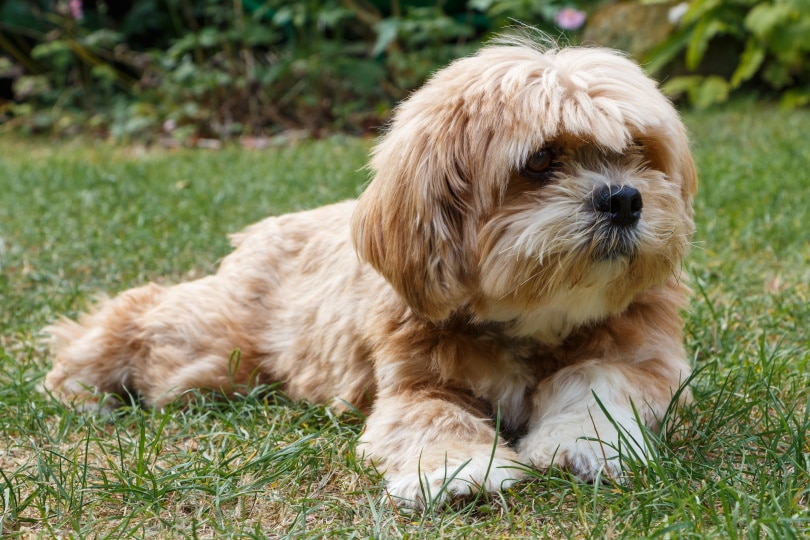
Their body type is usually a blend of the Beagle‘s sturdy, muscular build and the Lhasa Apso‘s solid, compact frame. They have a deep chest, straight front legs, and a level topline. Their head is round and broad, with a medium-length muzzle, dark eyes, and pendant ears that may be slightly longer than the Lhasa‘s but shorter than the Beagle‘s.
Be-Apsos can inherit a variety of coat types and textures, from the Beagle‘s short, dense double coat to the Lhasa‘s long, straight, heavy hair. Most fall somewhere in between, with a medium-length coat that is soft and silky to the touch. They are moderate shedders and will need regular brushing to prevent tangles and mats.
Coat colors can include any combination of black, white, brown, red, cream, or tri-color markings. Some may have the Beagle‘s classic black saddle and white legs, while others may showcase the Lhasa‘s rich golden or honey tones. Markings can include white patches on the chest, feet, and tail tip, as well as black masks or ear tips.
Temperament and Personality Traits
Be-Apsos are known for their friendly, affectionate nature and strong bond with their human family. They are often described as "velcro dogs" for their desire to be close to their owners at all times. They crave attention and interaction and can become anxious or destructive if left alone for too long.
As a mix of two intelligent breeds, Be-Apsos are quick learners and excel at obedience and trick training. However, they can also inherit a stubborn, independent streak from both the Beagle and the Lhasa Apso. Positive reinforcement and patience are key in shaping their behavior and teaching them good manners.
Be-Apsos have a moderate to high energy level and need daily exercise and mental stimulation to stay happy and healthy. They enjoy brisk walks, playtime in the yard, and interactive games like fetch or hide-and-seek. They also have a strong prey drive inherited from their Beagle ancestors and may chase small animals like squirrels or rabbits if given the chance.
As watchdogs, Be-Apsos are alert and protective of their territory, quick to sound the alarm if they sense something amiss. They can be reserved or aloof with strangers, taking after the Lhasa Apso‘s more discriminating nature. Early socialization is important to prevent excessive barking or aggression towards unfamiliar people or dogs.
Overall, Be-Apsos make wonderful companions for owners who can provide them with plenty of love, attention, and structure. They thrive in homes where they can be close to their human pack and are included in daily activities. They generally do well with children and other pets, but may not be the best fit for households with very young kids or small animals due to their prey drive and potential for accidental injury.
Grooming and Maintenance
Be-Apsos have moderate grooming needs that vary depending on which coat type they inherit. Those with shorter, Beagle-like coats will need brushing a few times a week to remove loose fur and prevent matting. Those with longer, Lhasa-like coats may need daily brushing and occasional trimming to keep their hair manageable and free of tangles.
Regardless of coat length, Be-Apsos will need regular baths every 4-6 weeks to keep their skin and fur clean and healthy. Use a mild, dog-specific shampoo and conditioner to avoid drying out their skin. Be sure to brush out any mats or tangles before bathing to prevent them from tightening.
In addition to coat care, Be-Apsos will need their nails trimmed every 2-4 weeks to prevent overgrowth and splitting. Their ears should be checked and cleaned regularly to avoid wax buildup and infection, especially if they have the Beagle‘s long, floppy ears. Brush their teeth daily with a dog-safe toothpaste to promote dental health and freshen their breath.
Feeding and Nutrition
As a small-to-medium sized breed, Be-Apsos have moderate nutritional needs that can be met with a high-quality, age-appropriate dog food. Look for a formula that contains lean protein sources like chicken, fish, or lamb, as well as complex carbohydrates, healthy fats, and essential vitamins and minerals.
Avoid foods with cheap fillers like corn, wheat, or soy, as well as artificial colors, flavors, or preservatives. Be-Apsos may be prone to food allergies or sensitivities, so watch for signs of digestive upset or skin irritation and switch to a limited-ingredient or hypoallergenic diet if needed.
Feed your Be-Apso two to three meals per day, depending on their age and activity level. Puppies will need more frequent meals to support their rapid growth and development, while adult dogs can typically transition to twice-daily feedings. Always provide fresh, clean water and monitor your dog‘s weight and body condition to prevent obesity.
Training and Socialization
Like most intelligent breeds, Be-Apsos are highly trainable but can also have a mind of their own. They respond best to positive reinforcement techniques like praise, treats, and play, rather than harsh corrections or punishment. Start training early and keep sessions short and fun to hold your Be-Apso‘s attention.
Socialization is also crucial for this breed, especially if they inherit the Lhasa Apso‘s guarded nature. From a young age, expose your Be-Apso to a variety of people, animals, and environments to help them develop into a confident, well-adjusted adult. Enroll in a puppy kindergarten class or join a local dog club to provide opportunities for supervised socialization and play.
Be-Apsos can be prone to separation anxiety if not properly trained and conditioned to being alone. Practice leaving them for short periods of time and gradually increase the duration as they learn to self-soothe and entertain themselves. Provide plenty of mental stimulation in the form of puzzle toys, chews, and interactive games to prevent boredom and destructive behavior.
Health and Lifespan
As a hybrid breed, Be-Apsos may be less prone to some of the genetic health issues that affect their parent breeds. However, they can still inherit certain conditions that prospective owners should be aware of, such as:
- Hip dysplasia: a malformation of the hip joint that can cause pain and lameness
- Patellar luxation: a dislocation of the kneecap that can cause skipping or hopping
- Eye problems: including cherry eye, glaucoma, and progressive retinal atrophy
- Hypothyroidism: an underactive thyroid gland that can cause weight gain, lethargy, and skin issues
- Allergies: both environmental and food-related allergies that can cause itching, rashes, and digestive upset
- Intervertebral disc disease: a degeneration of the spinal discs that can cause pain, weakness, and paralysis
According to a 2004 health survey by the Beagle Club of America, the average lifespan of Beagles is 12-15 years, with some living up to 17 years or more. Lhasa Apsos have a similar lifespan, with an average of 12-14 years and some reaching 18 years or more.
As a mix of these two hardy breeds, Be-Apsos can be expected to live anywhere from 12-16 years with proper care and nutrition. Regular veterinary check-ups, preventive care, and a healthy lifestyle can help extend their lifespan and quality of life.
Finding a Be-Apso
If you‘re interested in adding a Be-Apso to your family, there are a few different options to consider. While not as common as some other designer breeds, Be-Apsos can occasionally be found through reputable breeders who specialize in Beagle or Lhasa Apso mixes.
When searching for a breeder, look for one who performs health testing on their breeding dogs, provides a written health guarantee, and raises their puppies in a clean, stimulating environment. Avoid breeders who have multiple litters available at once, cannot provide references or health clearances, or seem more interested in making a sale than finding the right home for their pups.
Another option is to adopt a Be-Apso from a rescue organization or animal shelter. Many Beagle and Lhasa Apso rescues also take in mixed breed dogs and may have Be-Apsos available for adoption. Adopting an adult dog can be a great way to skip the puppy stage and get a better sense of your new dog‘s personality and needs.
When adopting from a rescue or shelter, be prepared to undergo a screening process that may include an application, home visit, and references. This helps ensure that each dog goes to a suitable home that can meet their specific needs. Be honest about your lifestyle, experience level, and expectations to help the organization make the best match possible.
Conclusion
As a veterinarian and lifelong dog lover, I can say with confidence that the Be-Apso is a truly special breed that deserves all the love and attention they can get. With their charming good looks, affectionate nature, and lively personality, these little dogs have a way of stealing hearts and bringing joy to everyone they meet.
While no breed is perfect, the Be-Apso comes pretty darn close in my book. They are intelligent, trainable, and adaptable, with a zest for life that is truly contagious. They bond deeply with their human family and thrive on attention and interaction, making them ideal companions for owners who want a loyal and loving sidekick.
Of course, like any breed, Be-Apsos have their quirks and challenges. They can be stubborn, vocal, and prone to separation anxiety if not properly trained and socialized. They need regular grooming and exercise to stay healthy and happy, and may not be the best fit for very busy households or those with young children.
But for the right owner, the rewards of sharing life with a Be-Apso far outweigh any drawbacks. These little dogs have a way of bringing out the best in people and reminding us of the simple joys in life – a warm snuggle, a playful romp, a loyal friend by our side.
As someone who has had the privilege of caring for countless Be-Apsos over the years, I can say with certainty that they are a breed apart. They may not be as famous as their Beagle or Lhasa Apso parents, but in my opinion, they are every bit as special and deserving of love.
So if you‘re looking for a small dog with a big heart and an even bigger personality, look no further than the Be-Apso. With their winning combination of intelligence, affection, and charm, these little dogs are sure to steal your heart and become a cherished member of your family for years to come.