How Do Shih Tzus Teethe? An In-Depth Guide From a Vet Who Loves the Breed
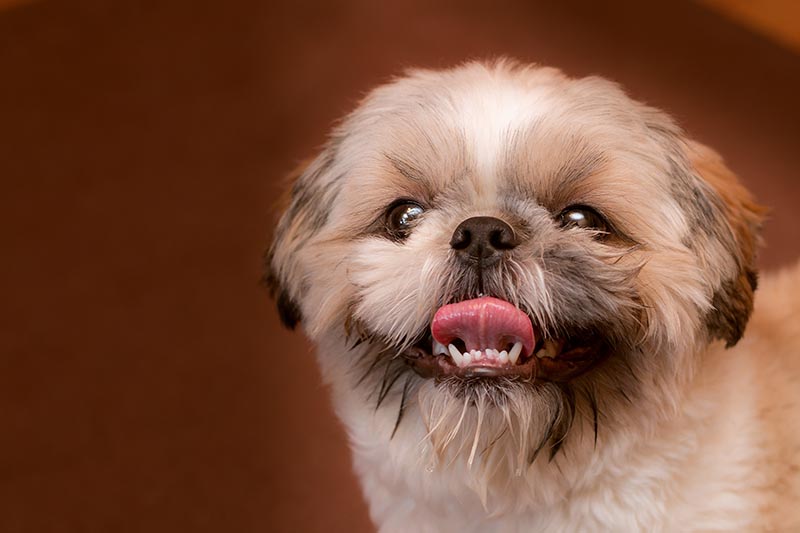
As a veterinarian for over 15 years and a lifelong Shih Tzu devotee, I‘m passionate about helping these special dogs live their happiest, healthiest lives. That‘s why I believe every Shih Tzu owner should be well-versed in the ins and outs of teething—a crucial stage that sets the foundation for a lifetime of dental health. In this comprehensive guide, I‘ll walk you through the Shih Tzu teething timeline, share my top tips for surviving the chewing phase, and explain how to care for your pup‘s unique mouth structure from puppyhood through the golden years.
Shih Tzu Teething Timeline: A Detailed Breakdown
Shih Tzu puppies start out toothless but gain a full set of 28 baby teeth by the time they‘re 6-8 weeks old. These needle-sharp teeth, also called deciduous or milk teeth, are designed to help the pup transition from nursing to eating solid food. Here‘s a closer look at when each type of tooth emerges:
- Incisors (front teeth): 3-6 weeks
- Canines (fangs): 3-6 weeks
- Premolars (back teeth): 6-8 weeks
- Molars (rear grinding teeth): Shih Tzu puppies don‘t have molars; these only come in with the adult teeth
Around 3-4 months old, your Shih Tzu pup will start losing their baby teeth and growing in their adult set. The process usually starts with the incisors, then the canines, and finally the premolars. Most Shih Tzus have all 42 of their adult teeth by 6-8 months old.
| Tooth Type | # of Baby Teeth | # of Adult Teeth |
|---|---|---|
| Incisors | 12 | 12 |
| Canines | 4 | 4 |
| Premolars | 12 | 16 |
| Molars | 0 | 10 |
| Total | 28 | 42 |
It‘s important to note that this timeline is just a general guideline. Some Shih Tzu pups may get their teeth earlier or later, and teething speed can vary from dog to dog. However, if your puppy doesn‘t have any teeth by 8-10 weeks or hasn‘t lost any baby teeth by 5-6 months, it‘s a good idea to check in with your vet to make sure development is on track.
Signs Your Shih Tzu Is Teething
Teething isn‘t exactly a comfortable process (as anyone who‘s cared for a teething baby knows!). Here are some of the key signs that your Shih Tzu pup is cutting new teeth:
-
Increased chewing and nibbling. Teething puppies chew to relieve the pressure and soreness in their gums. You may find your Shih Tzu gnawing on anything they can get their mouths on, including shoes, furniture, or even your fingers!
-
Drooling and dribbling. Don‘t be alarmed if your pup starts channeling their inner Beethoven. Excessive drooling is par for the teething course.
-
Bleeding gums. You may notice small spots of blood on your puppy‘s toys or in their water bowl. A little bleeding is normal, but let your vet know if it seems excessive or your pup appears to be in a lot of pain.
-
Crankiness and whimpering. Teething can make puppies extra irritable and vocal. They may whimper, yelp, or even try to avoid being touched around the mouth.
-
Low appetite. Some teething puppies go off their food for a day or two. While this isn‘t cause for immediate alarm, call your vet if the appetite loss lasts longer than 48 hours.
If your Shih Tzu pup is showing any of these signs, congratulations—you‘re in the thick of the teething phase! Take heart knowing that this stage doesn‘t last forever. Most of the fussiness and discomfort should subside once all the adult teeth are in.
Navigating Shih Tzu Dental Challenges
Shih Tzus are classified as a brachycephalic breed, meaning they have shortened snouts and compressed upper jaws. This unique facial structure is part of what gives Shih Tzus their signature look, but it also comes with some built-in dental challenges:
-
Overcrowding: Shih Tzus have the same number of teeth as larger breeds but much less space to fit them in. As a result, their teeth are often crooked, rotated, or smooshed together. This tight quarters makes them more prone to trapping food debris and developing gum disease.
-
Underbites and overbites: Many Shih Tzus have misaligned jaws where the upper and lower teeth don‘t meet properly. While this isn‘t necessarily painful, it can cause uneven tooth wear and make chewing difficult.
-
Retained baby teeth: It‘s estimated that up to 80% of Shih Tzu puppies experience deciduous tooth retention, where the baby tooth fails to fall out before the adult tooth comes in (source). Retained teeth can crowd the mouth even further and should be removed by a vet, usually during spay/neuter surgery.
As a Shih Tzu owner, being aware of these unique oral health challenges will help you better advocate for your pup. Make sure to keep up with regular vet checkups so any emerging issues can be caught early.
Soothing the Soreness: Tips for Teething Shih Tzus
Watching your Shih Tzu puppy struggle through teething isn‘t easy, but there are plenty of ways to ease their aches and pains. Here are some of my top tips for surviving the chewing stage:
-
Offer a variety of chew toys. Opt for toys made of different textures and materials, like rubber, rope, or soft stuffed animals. Avoid any toys small enough to fit completely in your pup‘s mouth, as these could pose a choking hazard.
-
Freeze the fun. Cold helps numb sore gums, so try freezing toys, baby carrots, green beans, or even a twisted wet washcloth. One of my go-to recipes is filling a Kong toy with diluted chicken broth and freezing it for a few hours – Shih Tzu pups go crazy for it!
-
Use your hands. Gently massaging your puppy‘s sore gums can help alleviate teething pain. Just make sure to wash your hands first and watch those razor-sharp baby teeth.
-
Give them a time-out. When teething puppies get nippy or overly rambunctious, a brief "chew time-out" in their crate or playpen can help them calm down. Always make sure they have a safe toy to redirect that chomping energy.
-
Keep things positive. Never punish your puppy for chewing; they‘re not doing it to be naughty. Instead, focus on praising and rewarding good chewing behaviors, like gnawing on a toy instead of your shoe.
With a little patience, creativity, and plenty of chew toys, you and your Shih Tzu will get through the teething phase just fine. Just remember, this too shall pass – those adult teeth will be in before you know it.
How to Brush Your Shih Tzu‘s Teeth: Step-by-Step
Lifelong dental care is crucial for all dogs but especially important for Shih Tzus. Because of their unique mouth structure and predisposition to periodontal disease, these pups need regular tooth brushing, dental checkups, and professional cleanings to keep their pearly whites in tip-top shape.
Ideally, you should brush your Shih Tzu‘s teeth every day, using a soft-bristled toothbrush and dog-specific toothpaste (never use human toothpaste, as it can upset your pup‘s stomach). Here‘s how to make brushing a breeze:
-
Start slow. Let your Shih Tzu lick a dab of toothpaste off your finger so they get used to the taste and texture. Gradually work up to touching their teeth and gums with your finger.
-
Introduce the toothbrush. Put a small amount of toothpaste on the toothbrush and let your pup lick it off. Slowly increase the brushing motion over several sessions.
-
Use the right technique. Hold the toothbrush at a 45-degree angle to the gum line and use gentle circular motions. Focus on the outside surfaces of the teeth, where plaque tends to accumulate.
-
Take breaks. Brush for 30-60 seconds at a time, then give your Shih Tzu a break. You can also split up brushing sessions throughout the day, doing the top teeth in the morning and bottom teeth at night.
-
Make it fun. Use lots of praise and give your pup a special treat after each brushing session. You want them to see tooth brushing as a positive experience.
If your Shih Tzu absolutely won‘t tolerate a toothbrush, you can try dental wipes, sprays, or water additives designed to reduce plaque buildup. However, these shouldn‘t be used as a substitute for brushing long-term.
In addition to brushing, I recommend giving your Shih Tzu daily dental chews or treats to help scrub their teeth and freshen breath. My favorites are Greenies, C.E.T. HEXtra chews, and Purina DentaLife treats.
Schedule Regular Dental Checkups
Even with diligent at-home care, Shih Tzus need regular dental exams and cleanings from a veterinary professional. I recommend scheduling a dental checkup at least once a year, or more frequently if your pup has a history of dental issues.
During a dental exam, your vet will inspect your Shih Tzu‘s mouth for signs of gum disease, tooth decay, oral tumors, and any other abnormalities. They may also recommend x-rays to check for problems lurking below the gumline.
If your vet finds significant plaque or tartar buildup, they will likely recommend a professional dental cleaning under anesthesia. This allows them to thoroughly clean and polish the teeth, as well as extract any that are diseased or damaged beyond repair.
I know anesthesia can be scary for pet owners, but it‘s actually much safer than trying to clean a dog‘s teeth while they‘re awake. Anesthesia-free dentals may seem like a good alternative, but they don‘t allow for a complete cleaning and can be very stressful for dogs. Trust your vet to make the best recommendation for your Shih Tzu‘s individual needs.
Why Dental Health Matters
You might be wondering: is all this tooth brushing and dental care really necessary? The answer is a resounding YES! Poor dental health can have serious consequences for your Shih Tzu‘s overall health and quality of life.
When plaque and tartar build up on the teeth, they create the perfect environment for harmful bacteria to thrive. Over time, these bacteria can cause gum inflammation (gingivitis) and eventually lead to periodontal disease, a painful condition that can destroy the tissues and bones that support the teeth.
But the problems don‘t stop at the mouth. The bacteria from periodontal disease can also enter the bloodstream and travel to other parts of the body, potentially damaging the heart, liver, and kidneys. Studies have shown that dogs with severe dental disease have a shorter lifespan than those with healthy mouths (source).
On the flip side, Shih Tzus with well-maintained teeth and gums are more likely to enjoy a long, comfortable life free of chronic pain and systemic illness. I‘ve seen firsthand the difference that good dental care can make. One of my favorite patients, a spunky Shih Tzu named Charlie, just celebrated his 15th birthday with a full set of sparkly chompers!
The key is to start early and stay consistent. Dental health is a lifelong journey, not a one-time event. Here‘s a timeline of important dental milestones to keep in mind:
| Age | Dental Milestone |
|---|---|
| 3-6 weeks | Baby teeth start to emerge |
| 8 weeks | Full set of baby teeth (28 total) |
| 12-16 weeks | Start brushing teeth and providing safe chew toys |
| 3-4 months | Baby teeth start to fall out, adult teeth emerge |
| 6-8 months | All 42 adult teeth are in; schedule first dental checkup |
| 1-2 years | Schedule yearly dental exams and cleanings as needed |
| 3-7 years | Continue regular brushing and dental care; watch for signs of dental disease |
| 8+ years | Senior Shih Tzus may need more frequent dental checkups and interventions |
Parting Wisdom
Shih Tzu teething and dental care may seem daunting at first, but trust me – your efforts will pay off in the form of a happy, healthy pup with a megawatt smile. Don‘t hesitate to reach out to your vet if you have any questions or concerns along the way. We‘re here to help you navigate every stage of your Shih Tzu‘s dental journey.
Remember, prevention is always better (and cheaper!) than treatment. By being proactive about your Shih Tzu‘s oral health, you‘re giving them the best chance at a long, pain-free life by your side. And really, is there anything more rewarding than that?
Now if you‘ll excuse me, I have to go brush my own Shih Tzu‘s teeth. Happy brushing, everyone!