The American Boston Bull Terrier: A Comprehensive Guide for Dog Lovers
Introduction
Are you considering adding an American Boston Bull Terrier to your family? This unique hybrid breed, a cross between the lively Boston Terrier and the muscular American Pit Bull Terrier, has captured the hearts of many dog enthusiasts. Known for their intelligence, loyalty, and energetic personalities, Boston Bull Terriers can make wonderful companions for the right households.
In this in-depth guide, we‘ll explore everything you need to know about the American Boston Bull Terrier, from their origins and physical characteristics to their temperament, training needs, health concerns, and more. Whether you‘re a first-time dog owner or an experienced enthusiast, this article will provide you with the knowledge and insights to help you determine if this fascinating breed is the perfect match for you.
History and Origins
To fully understand the American Boston Bull Terrier, it‘s helpful to look at the history of its parent breeds. The Boston Terrier, nicknamed the "American Gentleman" for its tuxedo-like coat and friendly demeanor, was developed in the late 19th century in Boston, Massachusetts. According to the Boston Terrier Club of America, the breed originated from a cross between an English Bulldog and a White English Terrier, later refined with introductions of French Bulldogs and other terrier breeds.
On the other side of the family tree, the American Pit Bull Terrier descends from the British "bull and terrier" type dogs that were originally bred for the cruel sports of bull-baiting and dog fighting. As these practices were outlawed and the dogs came to the United States, breeders began selecting for companionship traits rather than aggression. The United Kennel Club (UKC) first recognized the American Pit Bull Terrier as a breed in 1898.
The intentional crossing of Boston Terriers and American Pit Bull Terriers to create the Boston Bull Terrier is a more recent development, likely occurring in the 1990s or early 2000s. The goal was to create a dog with the friendly, comical nature of the Boston Terrier combined with the strength and athleticism of the Pit Bull. As a relatively new hybrid, the Boston Bull Terrier is not recognized by major kennel clubs like the AKC, but some smaller registries focused on designer breeds do acknowledge them.
Physical Characteristics
The American Boston Bull Terrier is a medium-sized dog with a lean, muscular build that reflects its Pit Bull heritage. Here are some key physical traits:
-
Size: Adult Boston Bull Terriers typically weigh between 20 to 50 pounds and stand 15 to 23 inches tall at the shoulder. However, there can be significant variation in size due to the differences between the parent breeds.
-
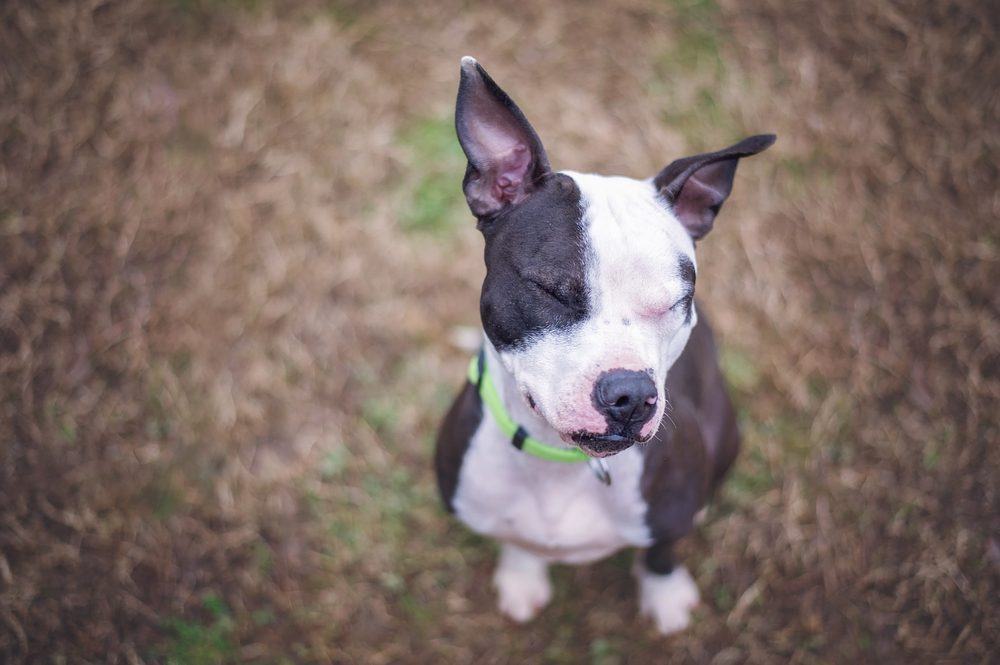
Head: The head is proportional to the body, with a broad, square skull, a short to medium length muzzle, and a defined stop (the angle where the forehead meets the muzzle). Ears may be cropped or left natural, and eyes are round, set wide apart, and can range in color from brown to blue.
-
Body: Boston Bull Terriers have a deep chest, muscular shoulders and hindquarters, and a slightly arched neck leading to a short, tapered tail. Their overall appearance is athletic and powerful.
-
Coat: The coat is short, smooth, and close-lying, requiring minimal grooming. Coat colors can include brindle, black, seal, and red, often with white markings on the chest, face, and paws. Some may have a more "tuxedo" like pattern reminiscent of the Boston Terrier.
Temperament and Personality
Boston Bull Terriers are known for being intelligent, affectionate, and energetic dogs. They bond closely with their human families and often have a special fondness for children. In a survey by the American Temperament Testing Society, 94.1% of American Pit Bull Terriers passed the evaluation, indicating a generally friendly and stable temperament when well-socialized and trained – traits they can pass on to their Boston Bull Terrier offspring.
As with any dog, individual temperaments can vary, and proper socialization from an early age is crucial for developing a well-rounded, confident canine companion. Some key personality traits of the Boston Bull Terrier include:
-
Loyalty: Boston Bull Terriers are devoted to their humans and may become velcro dogs, always wanting to be near their family members. They can make excellent watchdogs due to their alertness and protective instincts.
-
Intelligence: As smart dogs, Boston Bull Terriers require mental stimulation to prevent boredom. They excel at interactive puzzle toys and games that challenge their problem-solving skills.
-
Playfulness: This breed often retains a puppy-like enthusiasm for play well into adulthood. They love romping with their humans or other dogs and can be quite comical with their goofy antics.
-
Stubbornness: The independent streak of the Pit Bull combined with the occasional stubbornness of the Boston Terrier can make for a headstrong dog at times. Patience and consistency in training are a must.
-
Prey Drive: Some Boston Bull Terriers may have a strong prey drive, leading them to chase small animals. Early training and socialization can help manage this instinct.
It‘s important for potential owners to understand that, as a hybrid breed, Boston Bull Terriers can inherit traits from either parent breed in varying degrees. Meeting the parent dogs and discussing temperament with the breeder can provide valuable insight into a puppy‘s potential adult personality.
Exercise and Activity Needs
As energetic dogs, American Boston Bull Terriers require a moderate amount of daily exercise to stay physically and mentally stimulated. A general guideline is at least 30 minutes to an hour of activity per day, split between walks, playtime, and mental enrichment.
Puppies will have different exercise needs than adult dogs. The UK Kennel Club recommends the "five minute rule" for walking puppies – five minutes of exercise per month of age, up to twice a day, until they reach full maturity. So a four-month-old puppy would have a maximum of 20 minutes walking, twice per day. Structured play and short training sessions are also great ways to burn off puppy energy.
For adult Boston Bull Terriers, a few exercise ideas include:
- Daily walks: One or two brisk walks a day help keep your dog physically fit and provide mental stimulation through exploring their environment.
- Fetch or tug: Playing high energy games in a securely fenced yard or dog park is a great way to burn off steam.
- Agility or nose work: Participating in dog sports or activities challenges your Boston Bull Terrier‘s mind and body while strengthening your bond.
- Puzzle toys: Engaging your dog‘s mind with interactive toys or treat dispensers prevents boredom.
Without enough exercise, Boston Bull Terriers may develop behavior issues like excessive barking, chewing, or digging. A well-exercised dog is more likely to be a calm, contented companion in the home.
Training and Socialization
Like all dogs, Boston Bull Terriers greatly benefit from early socialization and consistent training throughout their lives. Socialization helps puppies develop into confident, well-adjusted adults by exposing them to a variety of people, animals, environments, and experiences during their critical development periods.
The American Veterinary Society of Animal Behavior (AVSAB) recommends that puppies begin socialization classes as early as 7-8 weeks old, as puppies are most open to new experiences between 3 and 12 weeks of age. Look for a positive reinforcement-based puppy class that allows for off-leash play and interaction with other puppies and humans.
When it comes to training, Boston Bull Terriers respond best to positive reinforcement methods like praise, play, and high value treats. Some tips for successfully training your Boston Bull Terrier:
- Keep training sessions short and fun to hold your dog‘s attention.
- Consistently reward desired behaviors and ignore or redirect unwanted ones.
- Use a marker signal, like a clicker or verbal "yes!", to pinpoint the exact behavior you‘re rewarding.
- Practice commands in a variety of environments with gradually increasing distractions.
- Enroll in obedience classes or work with a certified positive reinforcement trainer for guidance.
Because Boston Bull Terriers can have a prey drive and a tendency to chase small animals, a strong recall (coming when called) is an essential skill for the breed. Practice recall often with high value rewards, gradually building up distance and distractions.
Certain training tools, like head halters or front-clip harnesses, can give you more control on walks if your Boston Bull Terrier tends to pull. Avoid punishment-based techniques or equipment like choke chains or prong collars, as these can cause pain, fear, and aggression in dogs.
Health Concerns
As a hybrid breed, Boston Bull Terriers may be less prone to some of the inherited health issues that affect their purebred parent breeds. However, they can still be at risk for certain conditions, including:
-
Hip dysplasia: Abnormal formation of the hip joint, leading to arthritis and lameness. Occurs in 17.2% of American Pit Bull Terriers and 15.6% of Boston Terriers according to the Orthopedic Foundation for Animals (OFA).
-
Luxating patellas: Dislocation of the knee caps, more common in Boston Terriers. Affects 3.9% of the breed per OFA statistics.
-
Eye issues: Conditions like cataracts (clouding of the lens), corneal ulcers, cherry eye (prolapse of the third eyelid gland), and "rounder eye" inherited from the Boston Terrier.
-
Allergies: Skin or food allergies that cause itching, redness, and hot spots, especially in Pit Bull type breeds.
-
Hip dysplasia: 17.2% of American Pit Bull Terriers and 15.6% of Boston Terriers are affected according to the Orthopedic Foundation for Animals (OFA).
-
Heart conditions: Such as aortic stenosis (a narrowing of the aortic valve) or cardiomyopathy (weakening of the heart muscle)
To help minimize health risks, choose a reputable breeder who conducts the recommended health screenings for Boston Bull Terrier parent breeds. This includes hip evaluations, knee examinations, heart tests, and eye exams.
Providing your Boston Bull Terrier with routine veterinary care, a balanced diet, regular exercise, and dental hygiene can also help them live a long, healthy life. The average lifespan for the breed is 10-14 years.
Finding a Boston Bull Terrier
If you‘ve decided that an American Boston Bull Terrier is the right breed for you, you have a few options for adding one to your family:
Reputable breeders: Look for a responsible breeder who performs health testing on their breeding dogs, provides a written health guarantee, and socializes their puppies. Avoid "backyard breeders" or online sellers who prioritize profit over the well-being of their dogs.
Breed-specific rescues: Some organizations focus on rescuing and rehoming Boston Bull Terriers and similar mixes. Adopting an older dog can let you skip the puppy stages while providing a loving home to a dog in need.
Shelters: While less common, Boston Bull Terriers occasionally end up in general animal shelters. Adopting from a shelter often means lower upfront costs, and many shelter dogs are already spayed/neutered and vaccinated.
Whichever route you choose, take the time to find a dog that‘s a good match for your lifestyle and personality. Be prepared for the financial and time commitments of dog ownership, including food, supplies, veterinary care, training, and daily exercise.
Conclusion
The American Boston Bull Terrier is a unique and captivating breed that can bring joy, laughter, and companionship to the right home. By combining the friendly nature of the Boston Terrier with the strength and athleticism of the American Pit Bull Terrier, this hybrid dog offers the best of both worlds for many dog lovers.
However, the breed‘s energy level, potential prey drive, and occasional stubbornness may be too much for first-time dog owners or those with very young children. Boston Bull Terriers thrive with consistent training, plenty of exercise and mental stimulation, and a family that can provide them with the attention and affection they crave.
If you have the time, patience, and knowledge to raise a well-socialized, well-trained Boston Bull Terrier, you‘ll be rewarded with a loyal, loving companion. Committed to educating yourself about the breed‘s needs will help you build a long, happy life with your new canine friend.