How Strong is a French Bulldog‘s Bite? An In-Depth Look

French Bulldogs, affectionately known as "Frenchies," are one of the most popular small dog breeds in the world. With their charming personalities, compact size, and adorable "bat ears," it‘s no wonder that so many people fall in love with these little gremlins. However, as with any dog breed, it‘s important for owners and prospective owners to understand their potential for biting and the strength of their bite. In this comprehensive guide, we‘ll take an in-depth look at French Bulldogs‘ bite force, what influences it, and how to prevent biting incidents.
Measuring a French Bulldog‘s Bite Force
A dog‘s bite force is typically measured in PSI, or pounds per square inch. This indicates the pressure exerted by a dog‘s jaw when they clamp down their teeth. According to studies and expert estimates, the average bite force of a French Bulldog is between 180 to 230 PSI.
To put this into perspective, here‘s how the French Bulldog‘s bite force compares to some other popular dog breeds:
- Labrador Retriever: 230-250 PSI
- German Shepherd: 238-400 PSI
- Rottweiler: 328-400 PSI
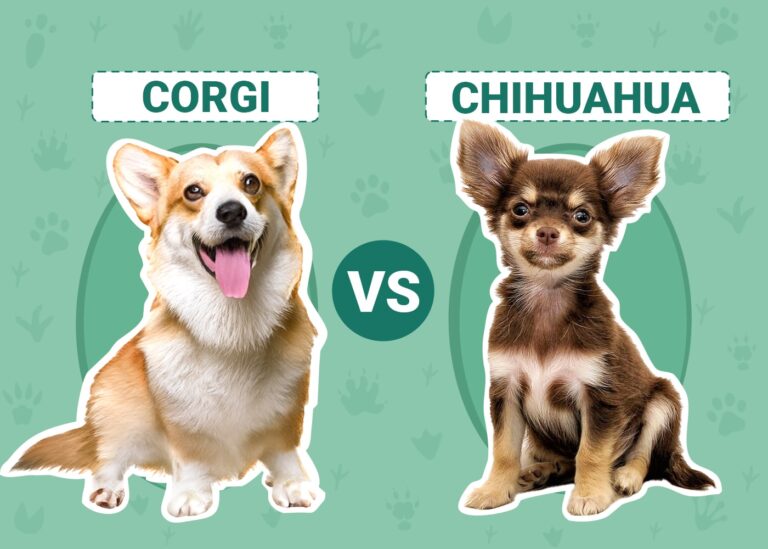
- Chihuahua: 100-180 PSI
- English Bulldog: 210-305 PSI
As you can see, while French Bulldogs have a relatively powerful bite for their small size, they are on the lower end compared to larger breeds known for their strong jaws. However, this doesn‘t mean that Frenchie bites should be taken lightly.
Dr. Jamie Richardson, Medical Chief of Staff at Small Door Veterinary in New York City, advises: "Any dog bite, no matter the breed or size of the dog, can cause significant damage and potential infection. Prevention through proper training and socialization is key."
Factors Influencing a French Bulldog‘s Bite Strength
Several factors can influence the actual bite force of an individual French Bulldog:
-
Size and weight: Like with most dog breeds, larger and heavier French Bulldogs will generally have stronger bites than smaller ones. Adult male Frenchies tend to be slightly larger than females.
-
Age: Puppies and senior dogs usually have weaker bites than healthy adult dogs in their prime. Bite force tends to peak between 2-4 years old.
-
Jaw and head shape: As a brachycephalic (flat-faced) breed, French Bulldogs have uniquely shaped skulls and jaws. Their wide, square heads and underbites give them strong jaw muscles.
-
Temperament: An individual dog‘s personality and behavior can play a role in how readily they bite and with what intensity. For example, an anxious or fearful Frenchie may bite defensively with more force than a relaxed, well-socialized one.
-
Health: Certain health issues like dental disease, jaw misalignment, arthritis, or neurological problems could impact a French Bulldog‘s bite strength or make them more likely to bite out of pain.
Nia Chester, a certified dog trainer in Miami, Florida, notes: "While genetics and anatomy set the foundation for a dog‘s bite force potential, so much also depends on their environment, handling, and training. The ‘nature vs. nurture‘ debate very much applies to dog bites."
Why Do French Bulldogs Bite?
It‘s a common misconception that French Bulldogs are aggressive by nature and therefore more likely to bite. In reality, Frenchies are known for being affectionate, playful, and even-tempered companions. With proper socialization and training, they typically get along well with children, other dogs, and strangers.
However, like any dog, French Bulldogs may resort to biting in certain situations:
-
Fear or defensiveness: If a French Bulldog feels threatened, cornered, or startled, they may snap or bite as a means of self-protection. This is more likely if they are fearful due to past negative experiences or lack of socialization.
-
Pain or discomfort: French Bulldogs may bite if they are hurting due to injury, illness, or handling that makes them uncomfortable (like having their tail or ears tugged). This is why it‘s crucial to teach children to be gentle and not disturb dogs that are resting, eating, or unwell.
-
Overexcitement during play: Many Frenchies love to use their mouths in play, especially as puppies. Without proper bite inhibition training, overstimulated nipping during playtime can escalate into painful bites.
-
Possessiveness over resources: Some dogs may bite to guard their food, toys, or territory from perceived threats. However, resource guarding to the point of biting is generally uncommon in well-adjusted pet French Bulldogs.
-
Lack of training: Without consistent boundaries and positive reinforcement training, dogs may not learn what behaviors are appropriate. For example, a French Bulldog that was allowed to mouth hands as a puppy may continue this behavior with more force as an adult.
Dr. Richardson emphasizes, "Biting is almost always a last resort for dogs when they feel they have no other way to cope with a stressful situation. It‘s up to owners to structure their French Bulldogs‘ experiences and environment to set them up for success."
Preventing Biting in French Bulldogs
While the strength of a French Bulldog‘s bite may not rival that of a larger breed, any puncture, laceration, or crush injury inflicted by a dog tooth can be painful and potentially become infected. Fortunately, there are several ways Frenchie owners can minimize the risk of bites:
-
Early socialization: Introducing puppies to many different people, animals, places, and stimuli during their critical socialization window (up to 16 weeks old) can help them grow into confident, well-rounded dogs. Well-socialized dogs are less likely to react fearfully to novel situations.
-
Positive reinforcement training: Teaching French Bulldogs what behaviors are desirable using rewards like treats, toys, and praise is highly effective for building trust and good habits. Aversive techniques like hitting, yelling, or alpha rolling can backfire and make dogs more likely to act out aggressively.
-
Establishing boundaries: Consistent rules about acceptable play (like no rough mouthing) and clear off-limits zones (like the couch) help French Bulldogs understand their limits. Make sure all family members are on the same page.
-
Managing triggers: If a French Bulldog has a strong reaction to certain sounds, sights, or situations, work on counter-conditioning with the help of a certified trainer. In the meantime, manage their environment to reduce stress and conflict. For example, remove the dog before bringing out toddler toys like squeaky balls that may make the dog jump and bite.
-
Providing mental stimulation and exercise: A bored or under-exercised French Bulldog is more likely to use biting as an outlet for their pent-up energy. Puzzle toys, agility exercises, and nosework games can provide enrichment. Daily walks provide both physical exercise and mental stimulation through exposing the dog to novel experiences in the environment.
-
Respecting their comfort and body language: Dogs often use subtle cues like lip-licking, yawning, and looking away to communicate discomfort before escalating to a growl or snap. Teach family members, especially kids, to understand and respect a Frenchie‘s body language. Never force interaction or punish warning signs.
-
Visiting the vet regularly: Keeping up with preventive care and promptly addressing any signs of pain or illness can help prevent medically-motivated biting. Scheduling regular dental checkups is important too, as oral pain is a common reason for irritability in dogs.
By being proactive about socialization, training, healthcare, and providing appropriate outlets for a French Bulldog‘s physical and mental needs, owners can nurture a stable and loving pet while minimizing bite risks. As trainer Nia Chester advises, "Preventing bites isn‘t about being dominant over your dog or expecting them never to mouth. It‘s about setting them up to make good choices, being attentive to their emotional state, and building a trusting bond so they don‘t feel the need to escalate."
Conclusion
In summary, while French Bulldogs have a fairly powerful bite relative to their compact size, averaging 180-230 PSI, they are not inherently aggressive biters. Factors like the individual dog‘s size, age, health, temperament, training, and environment can all influence their propensity to bite and the force behind it.
With proper socialization, positive training, and a structured home life that meets their physical and mental stimulation needs, most French Bulldogs can learn to have excellent bite inhibition and manners. Frenchie owners should learn to recognize signs of stress in their dogs and respect their boundaries to prevent overstimulation that could lead to biting.
By understanding the nuances behind French Bulldogs‘ biting behaviors and taking a proactive approach to raising a stable, well-adjusted canine citizen, owners can enjoy all the delightful quirks of this popular breed while keeping bite risks in perspective. With great power comes great responsibility, and that includes being a responsible guardian to French Bulldogs and their formidable little jaws.