Labradoodle vs Cockapoo: An In-Depth Comparison for Dog Lovers
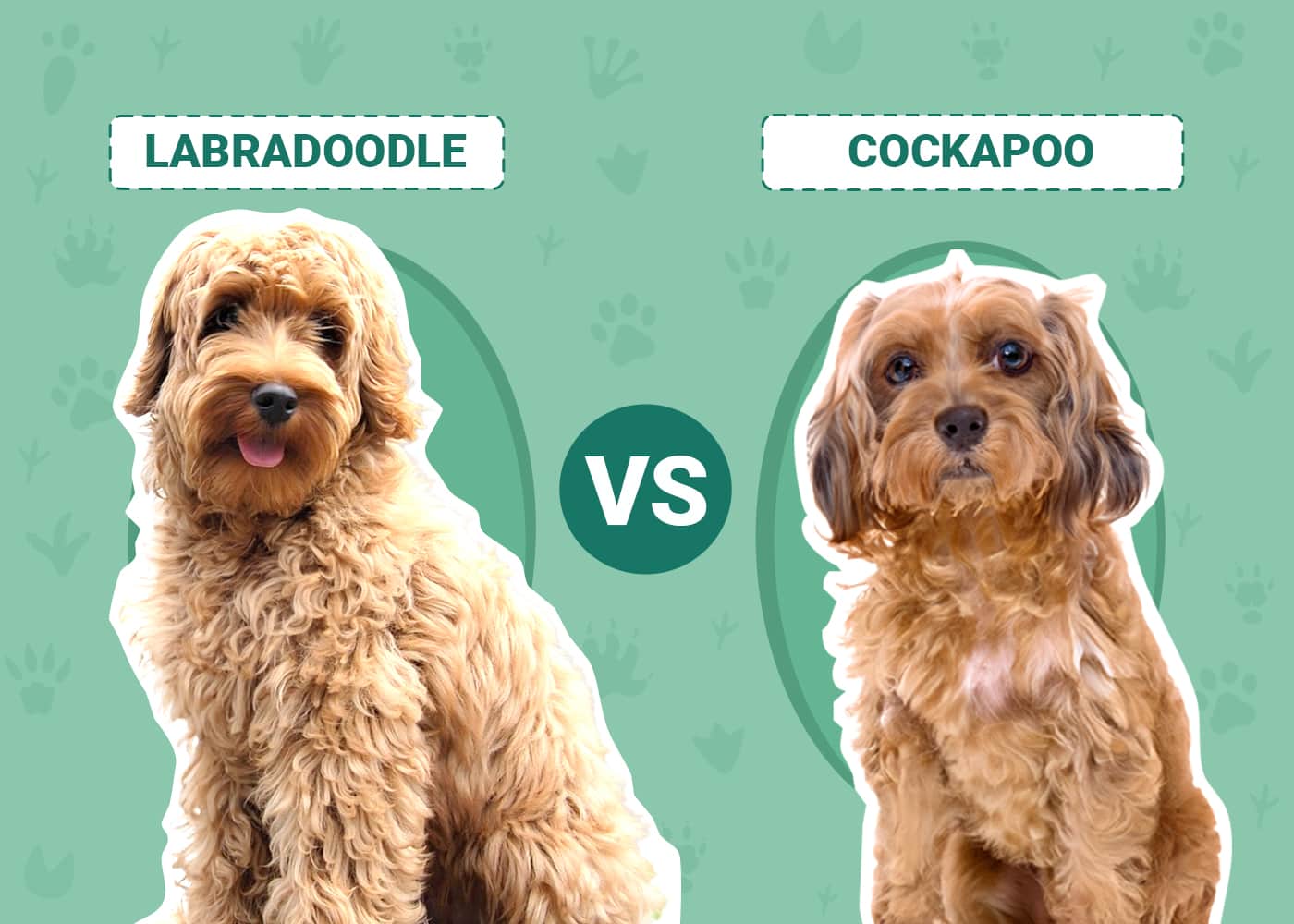
As a lifelong dog lover and veterinarian, I‘m fascinated by the unique traits and characteristics of different breeds. Two breeds that have captured the hearts of many in recent years are the labradoodle and cockapoo. While these adorable "doodle" mixes share some similarities, there are also some key differences that prospective owners should be aware of. In this comprehensive guide, I‘ll dive into the details of the labradoodle vs cockapoo to help you determine which breed might be the best fit for your lifestyle.
Breed History and Development
The labradoodle was first intentionally bred in 1989 by Australian breeder Wally Conron, who received a request from a visually impaired woman in Hawaii for a guide dog that would not aggravate her husband‘s allergies. Conron crossed a Labrador retriever with a standard poodle, and the resulting litter of pups proved to be excellent guide dogs with the added bonus of being low-shedding. Word spread quickly and soon other breeders began crossing Labs and poodles to create the friendly, allergy-friendly companions we know today.
The cockapoo has a longer history, with the first documented breeding occurring in the United States in the 1960s. However, it‘s likely that unofficial cocker spaniel/poodle mixes existed naturally before then. Cockapoos were created to be the ideal companion dog – cute, cuddly, low-shedding and friendly. They quickly became popular with families and city dwellers.
Size and Physical Characteristics
When it comes to size, there can be quite a bit of variation in both breeds depending on the size of the poodle used (standard, miniature or toy), but in general, labradoodles are the larger of the two. According to the Australian Labradoodle Association of America, the average height for a standard labradoodle is 22-24 inches at the shoulder, and the average weight is 55-80 pounds. Miniature and medium labradoodles range from 14-22 inches and 15-65 pounds.
Cockapoos are smaller dogs, with an average height of 10-15 inches and weight of 12-30 pounds. Teacup and toy cockapoos are even tinier, often weighing less than 10 pounds. "The cockapoo‘s compact size is one of the reasons for their popularity as apartment dogs and travel companions," says Dr. Jerry Klein, Chief Veterinary Officer for the American Kennel Club.
Coat Types, Colors, and Grooming Needs
One of the most appealing traits of both labradoodles and cockapoos is their low-shedding coats, which can be more tolerable for people with dog allergies. However, no dog is truly hypoallergenic and the amount of shedding can vary quite a bit from dog to dog.
Labradoodles have three main coat types:
- Wool coat (curly, dense, similar to a poodle)
- Fleece coat (soft, wavy, minimal shedding)
- Hair coat (straight, more shedding)
The most common labradoodle coat colors are black, chocolate, yellow, cream, red, apricot, and parti (spots of color on white).
Cockapoos typically have either a tight poodle-like coat, a longer and wavier cocker-type coat, or something in between. "The curlier the coat, the less shedding you can expect," notes groomer Jenny Wilkins. The most frequently seen cockapoo coat colors are black, tan, brown, red, white, and merle.
While they may shed less than other dogs, labradoodles and cockapoos still require regular grooming to keep their coats healthy and mat-free. Expect to brush at least 2-3 times per week, and more often if your dog has a longer or curlier coat. Professional grooming every 4-8 weeks is also recommended for sanitary trims, nail trims, and ear cleanings. Owners should budget around $50-100 per grooming session.
Temperament and Personality
Both breeds are known for being intelligent, affectionate, and highly social. They crave human interaction and make devoted family pets. However, there are some nuanced differences between the two.
Labradoodles are frequently described as outgoing, goofy, energetic, and friendly to everyone they meet. They have a zest for life and seem to always be "on the go." According to veterinary behaviorist Dr. Nicole Wilde, "Labradoodles, especially young ones, can be quite boisterous and may unintentionally knock over small children or the elderly in their enthusiasm."
Cockapoos, on the other hand, tend to have a slightly calmer demeanor (though still playful). They are often velcro dogs that always want to be right by your side. Cockapoos can be cautious around strangers and take a bit more time to warm up. Many owners describe them as intuitive and sensitive to their humans‘ emotions.
Anecdotally, I‘ve found that my labradoodle patients tend to be enthusiastic greeters at the vet clinic, eager to visit with everyone even if it means getting poked and prodded. Cockapoos are often a bit more reserved in new environments and look to their owners for reassurance.
Early socialization and positive exposure to new people, places, and situations is important for both breeds to ensure they grow up to be confident, well-adjusted dogs.
Exercise and Activity Level
Both labradoodles and cockapoos need daily exercise to stay physically and mentally healthy, but the amount required differs.
| Breed | Exercise Needs | Favorite Activities |
|---|---|---|
| Labradoodle | 60-90 minutes per day | Hiking, swimming, fetching, jogging, agility |
| Cockapoo | 30-60 minutes per day | Walking, playing, scent games, trick training |
As a high-energy breed, labradoodles require more intense exercise and can become destructive if bored or under-stimulated. They excel at active pursuits like running, hiking, swimming, dock diving, agility and more. "I typically recommend labradoodles for people who are already very active and looking for an athletic dog to keep up with their lifestyle," says trainer David Wright.
Cockapoos have more moderate exercise needs and do well with a couple brisk walks and some playtime each day. They are eager to please and quick learners, so mentally stimulating activities like obedience training, puzzle toys, hide-and-seek, and trick training are a great way to tire them out. While they enjoy long walks and hikes, cockapoos can adapt better to skipping a day here and there when the weather is bad or their owner is extra busy.
Training and Socialization
Labradoodles and cockapoos are both highly intelligent dogs that are generally easy to train. They respond best to positive reinforcement methods using praise, petting, and treats. Harsh corrections should be avoided as they can damage the dog‘s trust in you.
"The key to training any doodle is to keep it fun and upbeat," says certified dog trainer Victoria Schade. "Break the training up into short 5-10 minute sessions throughout the day to hold their interest."
While eager to please, both breeds can have a mischievous side and selective hearing when it comes to obeying commands, especially if distracted. "It‘s important to be patient and consistent with training," advises Schade. "If you let them get away with ignoring you sometimes, it will be much harder to get a reliable response."
As mentioned earlier, proactive socialization is critical for both breeds. Expose them to plenty of new people, animals, places, and situations in a positive way starting from a young age. Puppy kindergarten and obedience classes are a great way for them to learn manners while experiencing new environments.
Potential Health Issues
Like all dogs, labradoodles and cockapoos can be prone to certain health problems. Some issues seen more commonly in labradoodles include:
- Hip and elbow dysplasia
- Progressive retinal atrophy (PRA)
- Exercise-induced collapse (EIC)
- Addison‘s disease
- Allergies and skin problems
For cockapoos, potential health concerns include:
- Patellar luxation
- Hip dysplasia
- Progressive retinal atrophy (PRA)
- Ear infections
- Heart murmurs
- Liver disease
While mixed-breed dogs like labradoodles and cockapoos benefit from hybrid vigor which makes them generally hardier than their purebred parent breeds, there are still no guarantees when it comes to health. The best way to stack the odds in your favor is to choose a puppy from a responsible breeder who conducts health testing on their breeding dogs.
"Reputable breeders should be able to provide results of genetic tests showing their dogs are free of common inherited diseases like hip dysplasia, PRA, and EIC," advises veterinarian Dr. Jennifer Coates. "They should also have documentation that the parents‘ hips, elbows, eyes and heart were checked by specialists and found to be healthy."
Of course, even a dog from the best breeder can still develop health problems, so all owners should be prepared for potential vet bills down the line. Providing your labradoodle or cockapoo with a nutritious diet, proper exercise, and regular preventive vet care will help them live the longest, healthiest life possible.
Family Friendliness and Compatibility with Kids and Pets
Both labradoodles and cockapoos are known for being excellent family dogs due to their friendly, affectionate nature. However, their exuberance and energy level should be taken into account, especially if you have very small children.
Labradoodles are quite bouncy and may accidentally knock over toddlers in their enthusiasm to play. They can also be mouthy, with a tendency to grab toys, clothes, and hands with their mouths. "It‘s important to teach labradoodles from a young age to have a soft mouth and not to jump," says dog trainer Colleen Demling-Riley.
Cockapoos are generally gentler due to their smaller size, but can still be rambunctious as puppies. With proper training and socialization from a young age, both breeds learn to be calm and gentle with kids. Always supervise young children and dogs when together, and teach kids how to appropriately interact with the dog.
As for other pets in the home, both breeds are typically friendly with other dogs thanks to the happy-go-lucky Lab and social poodle personalities. Early introduction and socialization is still important to ensure everyone gets along.
Cats and other small pets can be trickier as both breeds may have prey drive triggering them to chase. Labradoodles with a higher proportion of Lab tend to have more prey drive than cockapoos. "If you already have a cat or other small animal, look for a breeder who raises the puppies around them," suggests Demling-Riley. Teaching the "leave it" command and rewarding the dog for calm behavior around other pets is also important.
Popularity and Prevalence in Media
Labradoodles and cockapoos have exploded in popularity over the past few decades, with celebrities like Jennifer Aniston, Tiger Woods, and Blake Lively owning them. The trend has been fueled by their cute looks, friendly personalities, and appeal as a hypoallergenic dog for allergy sufferers.
The world was introduced to the labradoodle in pop culture with Mozart, the real-life labradoodle on the set of Nintendogs in 2005. Since then labradoodles have been seen on Modern Family, The Goldbergs, Ned‘s Declassified School Survival Guide and even in a national Travelers Insurance commercial. Cockapoos have gained fame on social media, with Instagram star @Charlie_the_cockapoo racking up over 84,000 followers with his cute face.
| Breed | US Rank | UK Rank | Notable Owners |
|---|---|---|---|
| Labradoodle | 13 | 6 | Tiger Woods, Graham Norton |
| Cockapoo | 54 | 2 | Ashley Judd, Harry Styles |
"Doodles have become the latest ‘it‘ dog, and their popularity shows no signs of slowing down," says Brandi Hunter, VP of PR for the American Kennel Club. "People love that they are basically cute, fluffy teddy bears with the added bonus of being good for people with allergies."
The cultural phenomenon hasn‘t been without controversy, however. Purebred dog enthusiasts argue that designer mixes like labradoodles and cockapoos are glorified mutts with unpredictable traits.
"Many doodles end up in shelters because people don‘t realize how much work they can be in terms of grooming and exercise needs," says Hunter. "There are also a lot of disreputable breeders trying to cash in on the trend by cutting corners and not health testing."
It‘s estimated that up to 25% of dogs in shelters now are some type of doodle mix.
Conclusion
After looking at all the factors, it‘s clear that labradoodles and cockapoos have quite a bit in common. They are both intelligent, friendly, active dogs that make wonderful companions for the right person or family.
The main differences are size and intensity. Labradoodles are larger, more energetic dogs that need a lot of exercise and can be boisterous. They are ideal for active singles or families with older children that are looking for a dog to hike, run, and swim with. Cockapoos are smaller, somewhat calmer dogs that are content with moderate exercise. They tend to be less bouncy and make good companions for city dwellers, retirees, and families with young children.
Of course, there is a lot of individual variation within each breed. It‘s important for prospective owners to meet the parent dogs and interact with puppies before choosing one.
As a veterinarian, my advice is to always do your research and make sure you understand a breed‘s unique traits and needs before bringing a dog into your home. Both labradoodles and cockapoos are a big commitment and require a lot of care, socializing, training and exercise to be a good canine citizen.
But for those who are up to the task, they are rewarded with a loving, loyal, and delightful companion unlike any other. Just be prepared for all the attention – walking a cute doodle down the street draws comments and admirers everywhere you go!