How To Help a Bulldog Breathe Better: 6 Vet-Verfied Tips
How to Help Your Bulldog Breathe Better: A Comprehensive Guide
As a bulldog parent, you‘re probably well accustomed to the endearing snorts and snores of your wrinkly-faced companion. While these sounds can be cute, they actually indicate that your bulldog is struggling to breathe. Bulldogs are a brachycephalic breed, meaning they have anatomical abnormalities that obstruct their airways and make breathing a challenge.
In this article, we‘ll take an in-depth look at why bulldogs have trouble breathing, signs to watch out for, and most importantly – a wide range of tips you can implement to help your bulldog breathe easier. With proper care and veterinary guidance, you can ensure your bulldog lives the healthiest, happiest life possible!
Why Are Bulldogs Prone to Breathing Issues?
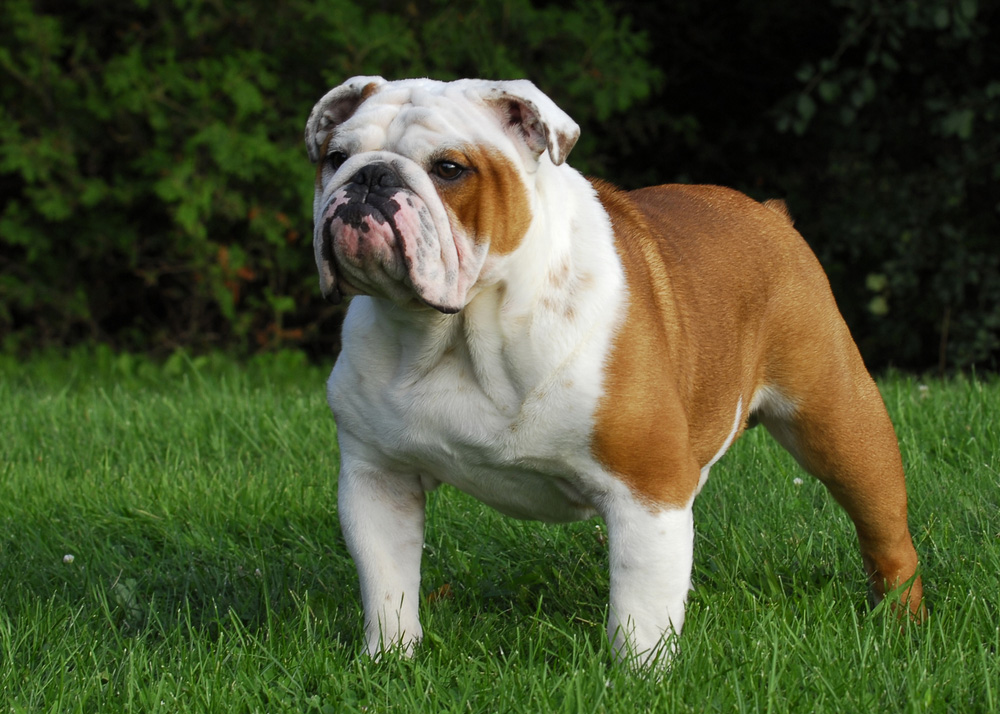
The distinct pushed-in nose and flat face that define bulldogs‘ appearance are the very features that compromise their respiratory system. Some of the anatomical abnormalities common in bulldogs include:
- Stenotic nares: Abnormally narrow or small nostrils that restrict airflow
- Elongated soft palate: The soft palate is too long for their shortened muzzles and can block the trachea
- Hypoplastic trachea: The windpipe is narrower than normal, limiting air passage
- Everted laryngeal saccules: The small sacs inside the larynx turn outward, obstructing the airway
This combination of traits is called Brachycephalic Airway Obstruction Syndrome (BAOS). While present to some degree in all bulldogs, the severity varies. Some common signs that your bulldog is struggling to breathe include:
- Loud snoring or snorting sounds, even while awake
- Wheezing, gasping, or high-pitched wheezing
- Panting or open-mouth breathing
- Aversion to exercise or play due to respiratory distress
- Easily overheating or collapsing in hot weather
- Blue-tinged gums from lack of oxygen
- Gagging or vomiting from exertion
If your bulldog exhibits any of these symptoms, it‘s crucial to work with your veterinarian on a tailored treatment plan. Depending on the severity, this may involve weight management, lifestyle changes, medications, or even surgery. Let‘s explore some proactive steps you can take at home to help your bulldog breathe better.
8 Tips to Help Your Bulldog Breathe Better
-
Maintain a healthy weight
Obesity greatly compounds breathing problems in bulldogs. Extra fat in the neck and chest area further constricts the airways. Work with your vet to determine your dog‘s ideal weight and stick to a strict diet and exercise plan. Limit treats to 10% of their daily calories and choose low-calorie options. -
Avoid overexertion
While regular exercise is important for weight management, moderation is key for bulldogs. Aim for frequent short walks and play sessions rather than extended outings. Always supervise your dog outdoors and allow ample time for rest breaks. Cease activity if your dog starts wheezing or panting excessively. -
Minimize exposure to heat
Bulldogs can easily become overheated, even on moderately warm days. Their short muzzles make it difficult to pant effectively and regulate their body temperature. Keep play sessions brief on hot days and ensure your bulldog always has a cool place to retreat to. Never leave them outdoors unsupervised. -
Use a harness
Traditional collars can put pressure on your bulldog‘s trachea and further restrict air passage. A well-fitted body harness is ideal for walks, as it allows you to guide your dog without impacting their breathing. Look for a harness made of breathable material with adequate padding. -
Keep living spaces well-ventilated
Stuffy rooms and poor air quality can exacerbate breathing issues. Run fans or air purifiers to keep air circulating, especially in your bulldog‘s sleeping area. Avoid smoking or using strong fragrances around your dog. Regularly vacuum and keep dust to a minimum. -
Elevate food and water bowls
Raising your bulldog‘s bowls slightly above floor level allows them to eat and drink in a more natural, neck-extended position. This reduces strain on the airways and risk of aspiration (breathing food into the lungs). Look for bowls designed specifically for brachycephalic breeds. -
Clean facial folds regularly
The deep skin folds on bulldogs‘ faces can harbor moisture and bacteria, leading to irritation and infection. This is not only uncomfortable for your dog, but can cause inflammation that impacts breathing. Gently wipe out the folds with a damp cloth or specialty cleanser daily. Keep the folds dry to prevent skin fold pyoderma. -
Consider surgical options
In severe cases of BAOS, surgery may be recommended to improve air passage. Common procedures include widening the nostrils (alarplasty), shortening the elongated soft palate (staphylectomy), or removing everted laryngeal saccules. While not without risks, these surgeries can dramatically improve quality of life when done by an experienced veterinarian.
When to Seek Emergency Veterinary Care
Even with diligent home care, bulldogs with BAOS may experience respiratory crises. Rush your bulldog to the nearest animal ER if you notice any of the following red flags:
- Severe breathing distress, gasping for air
- Blue or purple gums and/or tongue
- Lethargy or unresponsiveness
- Collapse or loss of consciousness
Minutes matter in these situations to prevent permanent damage or death from lack of oxygen. Always err on the side of caution and do not attempt home remedies for severe distress.
Frequently Asked Questions
Q: At what age should you consider surgery for a bulldog with breathing issues?
A: If needed, most vets recommend BAOS surgeries be done at the time of spaying or neutering, typically around 6-9 months of age. However, dogs of any age with severe enough symptoms can benefit from these procedures. Consult with your vet on the best timing for your dog.
Q: Can certain supplements help with breathing issues?
A: While nutritional supplements like omega-3 fatty acids may help reduce general inflammation, there is no evidence they directly improve brachycephalic breathing problems. Never give your dog supplements without consulting your vet, as some can interact dangerously with other medications or health conditions. A complete, balanced diet is the best way to support your bulldog‘s overall health.
Q: Are breathing issues the same in French bulldogs and English bulldogs?
A: Yes, both French and English bulldogs are brachycephalic breeds prone to BAOS. While their appearances differ slightly, their compressed facial anatomy leads to similar respiratory challenges. The care advice in this article applies to both breeds. Always work closely with your vet to address your individual bulldog‘s needs.
Wrapping Up
Breathing difficulties are an unfortunate reality for most bulldogs. As a responsible owner, educating yourself on the unique needs of the breed and taking proactive steps to support your bulldog‘s respiratory health is essential. From weight management, to environmental modifications, to knowing when to seek veterinary intervention – you play a vital role in helping your bulldog breathe better.
Remember, even seemingly small changes like switching to a harness or elevating food bowls can make a big difference for your bulldog. Stay vigilant, work closely with your veterinarian, and most of all – cherish the time you have with your special wrinkly companion. Together, you can ensure your bulldog lives a full, happy life despite their breathing challenges.