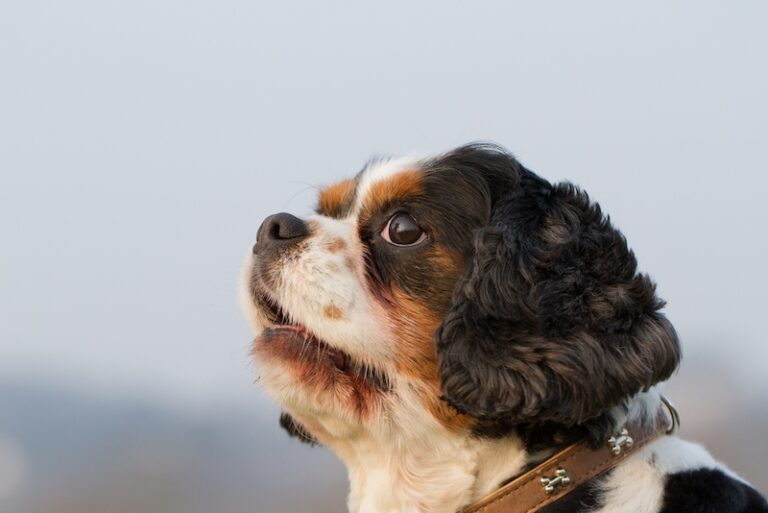
Sled Dogs: The Enduring Canine Athletes of the Arctic
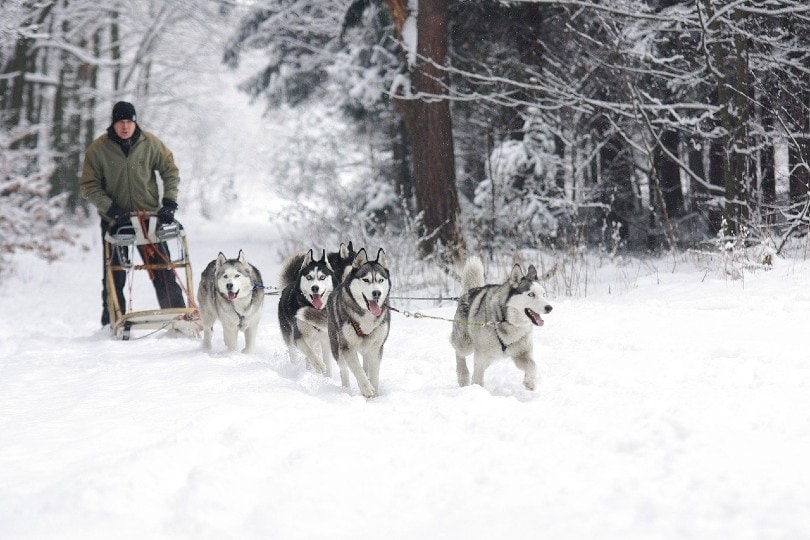
For thousands of years, humans and dogs have worked together in a remarkable partnership to thrive in some of the harshest conditions on Earth. In the frozen landscapes of the Arctic and subarctic regions, a group of extraordinary canine athletes emerged as indispensable allies and companions: sled dogs. With their thick fur, tireless endurance, and indomitable spirits, these dogs have played a vital role in transportation, hunting, and survival for indigenous peoples. Today, sled dogs continue to capture our imaginations with their prowess and grace on the trail. In this in-depth guide, we‘ll introduce you to the most remarkable sled dog breeds and explore what makes these four-legged adventurers so uniquely suited to their demanding roles.
The Mighty Malamutes and Huskies
When most people picture a sled dog, they likely envision a classic Northern breed like the Alaskan Malamute or Siberian Husky. With their wolf-like appearance, piercing eyes, and luxurious coats, these dogs are certainly striking. But beyond their beauty, Malamutes and Huskies are true powerhouses built for life on the trail.
Alaskan Malamutes are the titans of the sled dog world. Males often weigh upwards of 85 pounds, with broad chests and heavily muscled bodies designed for hauling heavy loads over long distances. Malamutes served as freighters for the Mahlemut people of Alaska, helping to transport goods and game. A study on the physiological capacity of Alaskan Malamutes found that these dogs have 40% greater mitochondrial density in their muscle cells compared to other breeds, giving them superior endurance (1). Today, many Mals still compete in weight pulling contests, with top dogs capable of pulling over 3,000 pounds (2). Their larger size and calmer demeanors can also make them excellent family companions for experienced owners.
Siberian Huskies are born to run. Smaller and sleeker than Malamutes, Huskies typically weigh between 35 to 60 pounds. Originally developed by the Chukchi people of Siberia as endurance sled dogs, these high-energy athletes can tirelessly trot for miles. Huskies rocketed to fame during the 1925 serum run to Nome, when relay teams traveled 674 miles in just 5.5 days to deliver life-saving diphtheria antitoxin to the remote Alaskan town (3). The lead dog Balto became a national hero, with a statue erected in his honor in New York City‘s Central Park.
While Huskies are still prized as racing sled dogs, their outgoing, mischievous personalities also make them popular pets. A study on behavioral traits of Siberian Huskies found that they scored high for playfulness, sociability, and adaptability (4). However, their high exercise needs, strong prey drive, and escape artist tendencies can be challenging for novice owners. Channeling their energy into positive outlets like hiking, bikejoring, and nose work is key to keeping Husky boredom at bay.
Rare Arctic Breeds: Holding On By A Thread
Beyond the iconic Huskies and Malamutes lie a diverse group of tough, talented sled dogs whose names you may not know. Breeds like the Canadian Eskimo Dog, Greenland Dog, and Chinook all have rich histories in the Arctic but are far less common than their Siberian and Alaskan cousins. Many of these rare heritage breeds are now facing extinction as traditional Arctic lifestyles change.
The Canadian Eskimo Dog, or Inuit Dog, is one of the oldest and rarest sled dog breeds in the world. With only a few hundred remaining, primarily in remote regions of the Canadian Arctic, these hardy, thick-coated dogs have been pushed to the brink. Traditionally used by the Inuit for sledding and polar bear hunting, the Canadian Eskimo Dog has unparalleled endurance and toughness. In 2020, a shocking mass culling of Inuit Dogs by the Royal Canadian Mounted Police in the 1950s-60s was acknowledged by the government as part of a larger cultural genocide against Inuit (5). Today, dedicated breeders are working to preserve and promote the Canadian Eskimo Dog as a living piece of Arctic heritage.
Greenland Dogs are another ancient Arctic sled dog, thought to have been brought to Greenland by the Thule people over 1000 years ago. These large, independent dogs have thick, dense coats and strong herding instincts. Approximately 15,000 Greenland Dogs still live and work above the Arctic Circle, primarily in hunting and tourism (6). However, the breed‘s numbers have declined significantly in recent decades as snowmobiles replace traditional dog sledding. The Greenland Dog is such an important part of the country‘s history and identity that it was named the national dog of Greenland in 2019 (7).
The Chinook is a uniquely American sled dog breed developed in New Hampshire in the early 1900s by Arthur Treadwell Walden, a Gold Rush musher and explorer. Bred for power and endurance to tackle rugged Appalachian terrain, Chinooks are known for their tawny color, lush coats, and broad, "smiling" muzzles. Sadly, only around 800 Chinooks remain in the world today (8). The breed‘s small gene pool puts it at risk for inherited health issues like seizures and hip dysplasia. However, Chinook fanciers praise the breed‘s gentle, affectionate nature and versatility in dog sports like search-and-rescue, carting, and therapy work.
Physiology of a Sled Dog
While sled dogs come in different shapes, sizes, and lineages, they all share key traits that allow them to perform in extreme Arctic conditions:
-
Endurance and athleticism – The ability to trot at a steady pace for hours over snow and ice requires peak physical fitness. Sled dogs have muscular bodies, deep chests, and strong cardiovascular systems for efficiently pumping oxygenated blood on the trail. Research has shown that sled dogs can have over twice the aerobic capacity (VO2 max) of sedentary canines and even elite human endurance athletes (9).
-
Weather-resistant double coats – Two layers of fur provide vital insulation in subzero temperatures. A dense, wooly undercoat traps warmth, while longer guard hairs repel snow and moisture. Breeds like the Samoyed produce special oils in their skin that make their coats virtually impervious to icing up. Studies on the insulation value of sled dog coats have found that they provide superior temperature regulation compared to synthetic materials (10).
-
Tough, tight feet – Sled dogs have well-furred, cat-like feet that act like natural snow shoes by distributing their weight evenly on the surface. Thick, leathery pads and strong nails dig in for traction on icy terrain. Compact feet are less prone to collecting painful ice balls between the toes. Mushers often outfit their dogs with specially-designed booties to prevent abrasions and snowbuild-up on longer runs.
-
Efficient metabolisms – Sled dogs are essentially four-legged furnaces, capable of burning up to 10,000+ calories per day during peak exertion (11). Their bodies are adapted to efficiently convert high-protein, high-fat diets into sustained energy without overheating. Many sled dogs have a unique ability to rapidly adjust their metabolisms based on extreme environmental conditions and workload. During periods of heavy exertion, their muscles become more efficient at using oxygen and their metabolisms increase to burn more calories. When resting, sled dogs‘ metabolisms slow down significantly to conserve energy (12).
-
Strong pack drive – A good sled dog loves to run and pull in a cohesive pack. Breeds like Huskies and Malamutes have an in-born desire to work together with other dogs as a team. Many enjoy the social nature of running in pairs or trios in harness. Sled dogs often form close bonds with their running mates and establish complex social hierarchies within the team (13).
Iditarod: The Last Great Race
Every March, the most famous sled dog race in the world captivates audiences: The Iditarod Trail Sled Dog Race. Covering nearly 1000 miles of brutal and beautiful Alaskan wilderness from Anchorage to Nome, the Iditarod tests the endurance, skill, and grit of the world‘s most elite sled dog teams and mushers.
The race pays homage to the 1925 Serum Run to Nome and serves as a living reminder of the vital role of sled dogs throughout Arctic history. Winning teams complete the grueling course in under 10 days, with the fastest finish to date being musher Mitch Seavey‘s 8 days, 3 hours, 40 minutes, and 13 seconds in 2017 (14). Top Iditarod teams in recent years have primarily been comprised of specially-bred Alaskan Huskies, known for their speed and endurance.
However, the Iditarod has also been steeped in controversy regarding the welfare of sled dogs. Animal rights activists argue that the race is inherently cruel, pointing to dog deaths, injuries, and evidence of abuse and neglect by some mushers (15). Advocates counter that the overwhelming majority of sled dogs receive exceptional veterinary care, nutrition, and husbandry as elite canine athletes. Ongoing research aims to better understand the physical and mental stresses placed on sled dogs during endurance racing to further optimize their care (16).
Living with a Sled Dog
As much as sled dogs excel on the trail, it‘s important to understand their unique needs in a companion home setting. Sled dog breeds are generally very high energy, requiring ample daily exercise and mental stimulation to be happy. A simple walk around the block simply won‘t cut it for these athletes!
Many Northern breeds have strong predatory instincts and should not be trusted off-leash or around cats, rabbits, and other small pets. Huskies and Malamutes in particular are notorious "escape artists," with an inborn drive to wander and roam. Secure 6-foot fencing is a must to keep these clever canines safely contained.
Grooming is also a major consideration for prospective sled dog owners. Breeds like Malamutes, Samoyeds, and Greenland Dogs have extremely thick double coats that "blow out" seasonally, creating massive amounts of shedding. Daily brushing is essential to prevent painful matting and distribute natural skin oils. Regular nail trims, dental care, and ear cleanings are also important to maintaining optimal health.
Additionally, sled dogs have high caloric needs to fuel their active metabolisms, often requiring nutrient-dense, high-protein performance dog foods. Especially if working or training regularly, sled dogs may need 3-5 cups or more of high-quality food per day to maintain proper muscling and weight. On the flip side, sled dogs can quickly become overweight if their calorie intakes aren‘t carefully managed in relation to their activity levels. Partnering with a knowledgeable veterinarian is key for monitoring body condition and preventing obesity-related health issues.
All of that said, sled dogs can make immensely loyal, affectionate companions for dedicated, experienced owners. It‘s impossible not to admire the infectious enthusiasm Huskies and Mals bring to everyday life. Watching a team in full stride, tongues lolling and eyes bright, you can almost feel the joy they get from doing what they love. With their strength, athleticism, and unbreakable bonds to their humans, sled dogs will always have a place in our hearts and histories. These enduring Arctic adventurers remind us of the depths of human/canine connection and the dogged persistence it takes to not only survive, but thrive, in the face of adversity. May they forever run wild and free.
References
- Revold, T., et al. (2010). Mitochondrial biogenesis and aerobic capacity in the skeletal muscle of Alaskan sled dogs. Acta Physiologica, 198(1), 71-78.
- Alaskan Malamute Club of America. (2021). Weight Pulling. https://www.alaskanmalamute.org/activities/weight-pulling
- Salisbury, G. (2003). The Cruelest Miles: The Heroic Story of Dogs and Men in a Race Against an Epidemic. W. W. Norton & Company.
- Svartberg, K. (2006). Breed-typical behaviour in dogs—Historical remnants or recent constructs?. Applied Animal Behaviour Science, 96(3-4), 293-313.
- CBC News. (2020). Ottawa apologizes to Qikiqtani Inuit for sled dog killings, relocations. https://www.cbc.ca/news/canada/north/qikiqtani-truth-commission-final-report-1.5745620
- Consortium for the Preservation of the Greenland Dog. (2021). The Greenland Dog. https://en.gronlandshund.org/
- Greenland Government. (2019). Greenland Dog becomes official national dog of Greenland. https://naalakkersuisut.gl/en/Naalakkersuisut/News/2019/02/0802_nationaldog
- Chinook Owners Association. (2021). About Chinooks. https://chinook.org/about-chinooks/
- Gerth, N., et al. (2009). The physiological mitochondrial capacity of Alaskan Huskies. Journal of Functional Anatomy and Physiology, 50(2), 141-162.
- Kitao, N., et al. (2009). Coat insulation capacity in Alaskan Malamutes and Siberian Huskies. Journal of Veterinary Medical Science, 71(1), 1-6.
- Hinchcliff, K., et al. (1997). Metabolic basis for high aerobic capacity and resistance to fatigue in sled dogs. Journal of Applied Physiology, 83(2), 439-447.
- Huson, H. J., et al. (2010). A genetic dissection of breed composition and performance enhancement in the Alaskan sled dog. BMC Genetics, 11(1), 1-13.
- Fijn, N. (2018). Dogs as co-workers and companions: Social relationships in a cross-cultural perspective. In Dogs in the North (pp. 135-151). Routledge.
- Anchorage Daily News. (2017). Mitch Seavey wins 2017 Iditarod in record time. https://www.adn.com/outdoors-adventure/iditarod/2017/03/14/mitch-seavey-wins-2017-iditarod-in-record-time/
- PETA. (2021). The Iditarod: Mushers‘ Secret Dog Butcher Shop. https://www.peta.org/features/iditarod-slaughterhouse/
- von Holdt, B. M., et al. (2020). Activity of Genes with functions in human Williams-Beuren syndrome is impacted by mobile element insertions in the gray wolf genome. Genome Biology and Evolution, 12(8), 1106-1126.