Is a Tibetan Mastiff Hypoallergenic? An In-Depth Guide for Dog Lovers
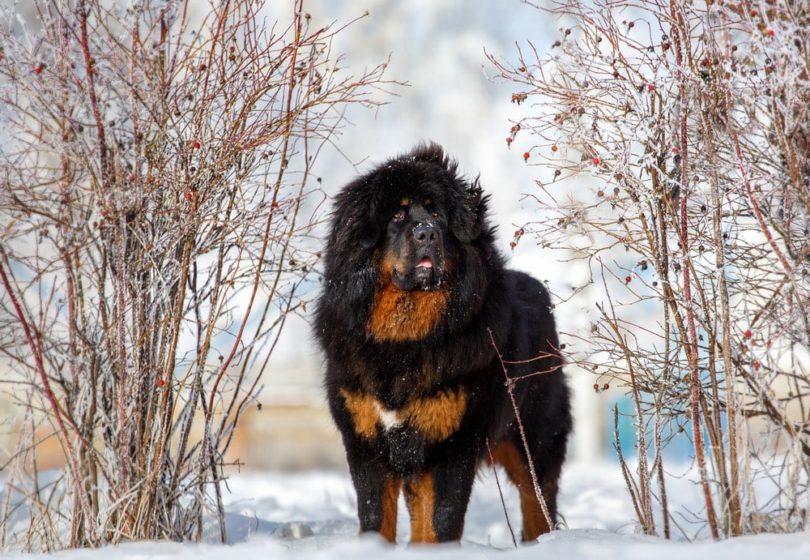
As a dog lover with allergies, finding the perfect canine companion can feel like an impossible dream. You long for the unconditional love and joy a dog brings, but worry about endless sneezing, itchy eyes, and a runny nose. If you‘ve fallen for the majestic Tibetan Mastiff, you‘re likely wondering: are these striking guardian dogs hypoallergenic?
The answer is no – Tibetan Mastiffs are not considered a hypoallergenic breed. But don‘t lose hope just yet! The world of dog allergies is complex, and there are steps you can take to minimize your symptoms and keep a beloved dog in your life. As a fellow dog lover and allergy sufferer, I‘ve done extensive research and consulted with experts to bring you this comprehensive guide. Let‘s dive in!
Understanding Dog Allergies
First, let‘s clarify what it means for a dog to be "hypoallergenic." While some breeds are marketed as hypoallergenic, the truth is no dog is 100% allergen-free. Allergic reactions are caused by proteins found in a dog‘s dander (dead skin cells), saliva, and urine – not the fur itself.
The main dog allergen is a protein called Can f 1, which is produced in a dog‘s sebaceous glands and spread through dander and saliva. A 2019 study found that Can f 1 levels vary significantly by breed, with "hypoallergenic" breeds like Poodles and Bichon Frises producing less than half the amount of Can f 1 compared to high-shedding breeds like Labradors and German Shepherds.
However, every dog produces some level of Can f 1, and individual allergies can react differently. "There‘s really no guarantee that a specific breed won‘t trigger a reaction in a specific person," cautions Dr. Erica Feuerbacher, Professor of Companion Animal Welfare and Behavior at Virginia Tech.
Other dog allergens include:
- Can f 2 (found in dander and saliva)
- Can f 3 (found in serum)
- Can f 4 (found in saliva)
- Can f 5 (found in urine)
- Can f 6 (found in serum and dander)
While these proteins are present in all dogs, studies suggest that certain breeds may produce lower overall levels of some allergens.
The Tibetan Mastiff Coat and Allergens
So where does the noble Tibetan Mastiff fall on the allergen spectrum? Let‘s take a closer look at their unique coat characteristics.
Tibetan Mastiffs boast a thick double coat adapted to withstand harsh Himalayan winters. The dense undercoat is soft and wooly, while the topcoat features coarse guard hairs that can reach impressive lengths. They shed moderately year-round, with a heavier "coat blow" once or twice a year as the seasons change.
While no studies have directly measured Can f 1 levels in Tibetan Mastiffs, their moderate shedding and dense coats suggest they may produce more dander and allergens compared to single-coated or hairless breeds. Dr. Denise Petryk, a veterinary dermatologist, notes: "Breeds with more fur and dander simply have more real estate to harbor allergens."
However, the Tibetan Mastiff‘s lower drool factor compared to some other mastiff-type breeds may be a point in their favor. "Some mastiffs, like Bullmastiffs and Neapolitan Mastiffs, are known for excessive drooling, which can spread allergens. Tibetan Mastiffs tend to drool less, which may help," adds Dr. Petryk.
Interestingly, a 2020 study found that the bacterial diversity of a dog‘s skin microbiome may also influence allergen levels and human sensitivity. The research is still emerging, but it opens up fascinating avenues for breeding or probiotic interventions to reduce allergen production.
Living with Allergies and a Tibetan Mastiff
Despite not being hypoallergenic, it is possible for some allergy sufferers to happily coexist with a Tibetan Mastiff. The key is being proactive and realistic about your sensitivities and management strategies.
Cynthia, a lifelong dog lover with moderate dog allergies, shares her experience with her Tibetan Mastiff, Bao:
"I knew going in that a Tibetan Mastiff would be a shedding breed, but I was in love with their calm, protective nature. My allergist and I came up with a plan involving medication, regular grooming and cleaning, and keeping Bao out of the bedroom. It‘s an ongoing process, but so worth it for the joy Bao brings me."
If you‘re considering a Tibetan Mastiff, try to spend time with the breed to gauge your reactivity. Visit a breeder or attend a dog show, and take note of your symptoms in the hours and days following exposure.
Reducing Allergens in Your Home
Once your Tibetan Mastiff is home, you can employ various strategies to minimize allergens:
-
Regular Grooming: Brush your Tibetan Mastiff at least twice weekly to remove loose fur and dander. Have a non-allergic family member handle bathing and grooming if possible, or wear a mask and gloves.
-
Cleaning Routine: Vacuum carpets and upholstery frequently using a vacuum equipped with a HEPA filter. Mop hard floors and wipe down surfaces to remove settled dander. Wash your dog‘s bedding weekly in hot water.
-
Air Purifiers: Use high-efficiency particulate air (HEPA) purifiers, especially in rooms where your dog spends the most time. A 2020 study found that HEPA filters reduced environmental dog allergen levels by up to 80%.
-
Designated Dog Zones: Keep your bedroom a dog-free zone to ensure you have an allergen-free space for sleeping. Baby gates can help restrict your dog‘s access to certain areas.
-
Diet and Supplements: Some holistic veterinarians recommend an anti-inflammatory diet and omega-3 fatty acid supplements to support the skin and coat health, which may reduce dander and shedding. Consult with your vet.
Immunotherapy and Medications
For some allergy sufferers, managing their environment isn‘t enough. Immunotherapy, also known as allergy shots, can help desensitize your immune system to dog allergens over time. This involves regular injections of small doses of the allergen, gradually increasing the amount to build tolerance.
"Sublingual immunotherapy, where the allergen dose is delivered as a tablet or liquid under the tongue, has also shown promise in treating dog allergies," notes Dr. Anna Feldweg, an allergist at Brigham and Women‘s Hospital.
Over-the-counter and prescription allergy medications like antihistamines, nasal sprays, and inhalers can provide relief for many dog allergy sufferers. Consult with your allergist to find the best regimen for your needs.
Hypoallergenic Breed Alternatives
If you determine that a Tibetan Mastiff is not the right fit for your allergies, don‘t despair! There are numerous breeds that may pose less of a reaction risk.
While no breed is perfectly hypoallergenic, those that shed less and produce less dander are often a better choice for allergy sufferers. Some popular low-allergen breeds include:
-
Poodle (toy, miniature, and standard): Known for their distinctive curly coats, poodles shed minimally and have a single coat that produces less dander.
-
Bichon Frise: These cheerful white fluffballs have a fine, silky coat that sheds very little.
-
Maltese: Another small breed with a single white coat, the Maltese is known for being gentle and affectionate.
-
Schnauzer (miniature, standard, and giant): Schnauzers have a wiry double coat that sheds minimally, and they‘re known for being intelligent and trainable.
-
Portuguese Water Dog: This athletic breed has a single coat of tight, low-shedding curls.
-
Xoloitzcuintli (hairless and coated varieties): Also known as the Mexican Hairless Dog, the Xolo comes in both coated and hairless varieties. The hairless type is a good option for allergy sufferers.
-
Bedlington Terrier: With their curly, wooly coats and lamb-like appearance, Bedlingtons shed very little.
-
Lagotto Romagnolo: This Italian truffle-hunting breed has a curly, wooly coat that sheds minimally.
-
Soft Coated Wheaten Terrier: These Irish farm dogs have a single soft, silky coat that sheds very little.
Mixed-breeds or "designer dogs" that combine low-shedding breeds like Poodles are also becoming increasingly popular with allergy sufferers. Labradoodles (Labrador + Poodle), Goldendoodles (Golden Retriever + Poodle), and Shih-Poos (Shih Tzu + Poodle) are just a few examples.
However, it‘s important to remember that there‘s still genetic variation within a breed. One Poodle may cause a stronger reaction than another Poodle. That‘s why it‘s crucial to spend time with a specific dog before adopting to see how you respond.
Some animal shelters and rescue organizations offer "pet allergy screening," where you can visit with a dog in a controlled environment to gauge your reactivity. Adopting an adult dog may also provide more predictability compared to a puppy in terms of coat type and shedding.
The Power of the Human-Canine Bond
For many dog lovers, the benefits of canine companionship far outweigh the challenges of allergies. Studies have shown that dogs provide profound emotional support, reduce loneliness, increase physical activity, and even boost oxytocin levels in their humans.
Jana, a lifelong allergy sufferer and Tibetan Mastiff owner, says: "I can‘t imagine my life without my dogs. Yes, I have to be diligent about managing my environment and taking my medications, but the unconditional love and joy they bring me is priceless."
If you dream of sharing your life with a Tibetan Mastiff or any dog, don‘t let allergies hold you back. With careful planning, open communication with your healthcare providers, and a solid management plan, you and your canine companion can thrive together.
And who knows – perhaps in the future, breeding for lower-allergen production or advancements in immunotherapy will make it even easier for allergy sufferers to experience the incredible human-canine bond.
As I always tell my fellow dog lovers with allergies: where there‘s a will, there‘s a way. With education, preparation, and a positive attitude, you can turn that impossible dream of dog ownership into a beautiful reality. So go find your perfect match – be it a Tibetan Mastiff or another lovable breed – and get ready for a life filled with wet noses, wagging tails, and unconditional love.