Male vs Female Cockapoo: An In-Depth Guide for 2026
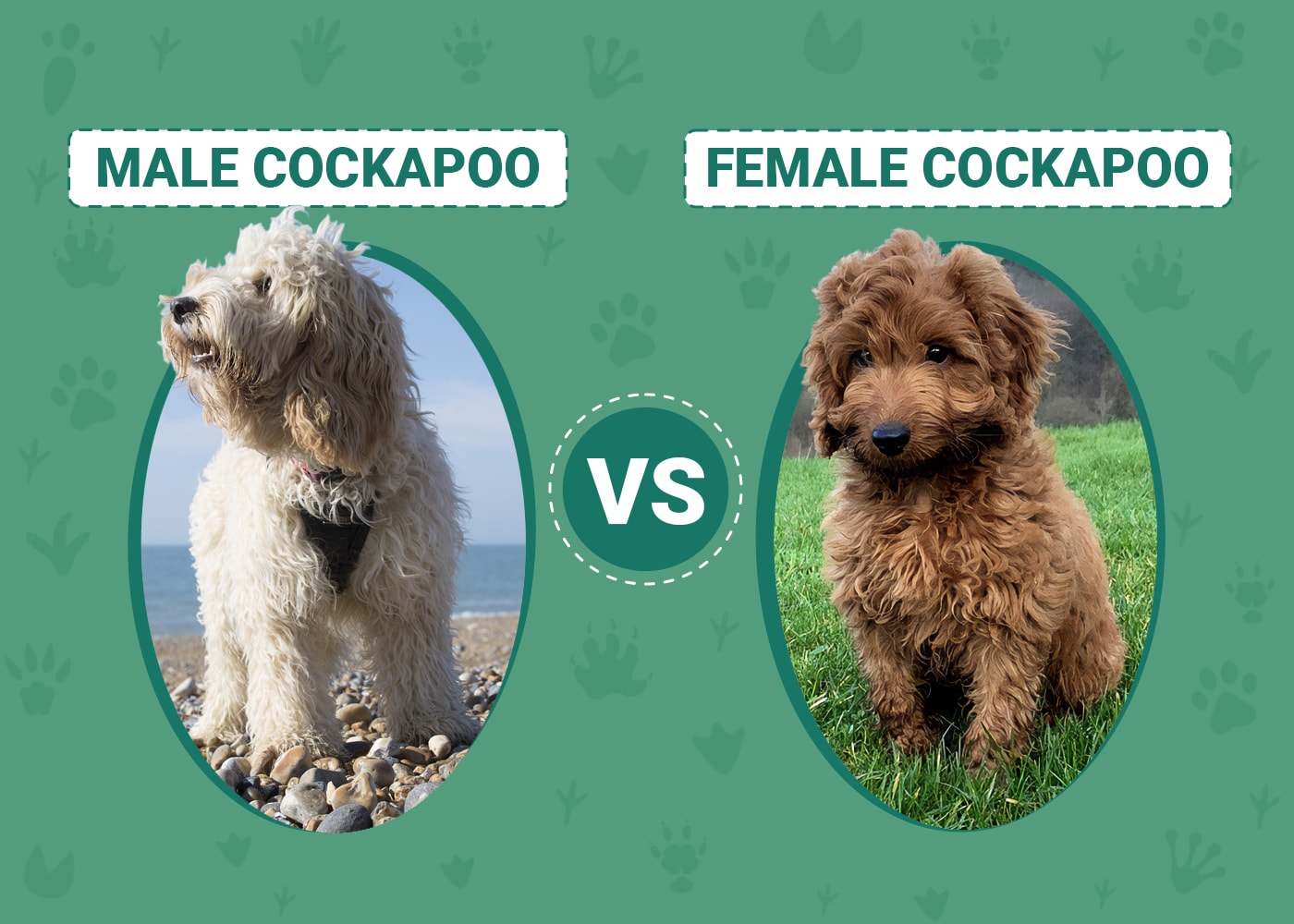
Cockapoos have captured the hearts of dog lovers across the globe with their teddy bear looks, outgoing personalities, and hypoallergenic coats. These popular pups, a cross between a Cocker Spaniel and a Poodle, consistently rank in the top 20 most popular dog breeds in the United States according to the American Kennel Club. It‘s easy to see why – cockapoos combine the friendly, eager-to-please nature of the Cocker Spaniel with the intelligence and low-shedding coat of the Poodle. They make fantastic companions for individuals, couples, and families with children.
If you‘re considering adding a cockapoo to your life, one of the first decisions you‘ll need to make is whether to choose a male or female. While all cockapoos share many wonderful traits, there are some general differences between the sexes that are worth taking into account. In this ultimate guide, we‘ll take a detailed look at the key differences between male and female cockapoos, with a special focus on female cockapoo temperament. By the end, you‘ll have all the information you need to decide which sex is the best fit for your lifestyle.
Physical Differences Between Male and Female Cockapoos
Let‘s start with the physical differences between male and female cockapoos. In terms of appearance, both sexes are equally adorable with their soft, wavy to curly coats, floppy ears, and expressive eyes. Cockapoos come in a rainbow of colors including cream, apricot, red, chocolate, black, and particolor.
The main difference is size, with males typically being larger than females. The table below shows the average height and weight ranges for each sex:
| Sex | Height (inches) | Weight (pounds) |
|---|---|---|
| Male | 15-18 | 19-30 |
| Female | 14-16 | 15-25 |
However, it‘s important to note that cockapoos can vary widely in size depending on the size of the Poodle used in the cross (toy, miniature, or standard). Some cockapoos may be smaller or larger than the averages shown above.
Anecdotally, some owners report that female cockapoos have slightly shorter and less dense coats compared to males. This could translate to lower grooming needs. However, cockapoos are bred to be low-shedding rather than completely non-shedding, so both sexes require regular brushing, trims, and baths to keep their coats looking their best.
Spaying and neutering can also impact a cockapoo‘s appearance. Females spayed before maturity may grow slightly taller than those spayed after their first heat cycle. This is because the growth plates in their long bones continue to grow for longer without the influence of estrogen. On the flip side, neutered males may have less muscle mass compared to intact males. Overall, these effects are relatively minor.
Temperament Differences Between Male and Female Cockapoos
Now let‘s dive into the fun part – how does a cockapoo‘s sex impact their temperament? It‘s important to remember that all dogs are individuals and a variety of genetic and environmental factors shape their personalities. However, some general trends do emerge when looking at large sample sizes of male and female cockapoos.
Dr. Karen Becker, a proponent of natural pet care, notes that in her experience, "male dogs aim to please their owners, while females are more independent and self-assured." This rings true for cockapoos as well. Male cockapoos tend to be more needy and demanding of their owners‘ attention. They are classic "velcro dogs" who want to be attached at the hip with their favorite human. Males are more likely to act like over-enthusiastic puppies well into adulthood, bouncing around and exuberantly greeting everyone they meet.
Female cockapoos, on the other hand, are often more independent and demure. They still adore their humans and love to cuddle, but they aren‘t as devastated when left to entertain themselves for a bit. Females often have a calm, regal air about them. They may take longer to mature mentally, leading to a sweet and gentle temperament that makes them excellent companions for children or older adults.
As Rosemary Mosco, author of the webcomic "Bird and Moon," humorously puts it: "Male dogs desperately want to please you but have no idea why. Female dogs know exactly what you want but have to decide if they feel like doing it."
This slight stubbornness is something to be aware of with female cockapoos. They have a mind of their own and won‘t always immediately obey commands, especially if they haven‘t been raised with consistent positive training. Females are more likely to develop "selective hearing" as they mature. Owners need to establish themselves as kind but firm leaders early on.
Of course, these tendencies fall on a spectrum and there will always be exceptions. Some male cockapoos are couch potatoes and some females never stop bouncing off the walls. Proper training, socialization, and mental stimulation are key for bringing out the best in any cockapoo.
Which Sex is Best? Male vs Female Cockapoo Comparison
So how do the personalities of male vs female cockapoos translate into which is the best choice for different types of owners? Let‘s break it down:
-
Families with young kids: Playful and tolerant male cockapoos are often a great choice for families with children. They tend to be more patient with roughhousing and have a "go with the flow" attitude. However, a calmer female can also be a great fit if she is raised with positive exposure to kids from a young age.
-
Active adults: If you‘re looking for an energetic companion to take on hikes, jogs, and adventures, a male cockapoo may be your best bet. They are often up for anything and love being out and about with their owners.
-
Retirees or low-key households: A chill female cockapoo can be the perfect friend for someone who prefers a Netflix marathon to a 5k. They are happy to hang out at home and provide companionship without demanding constant action.
-
Homes with other dogs: While this depends heavily on the individual dogs involved, some owners find that having one male and one female cockapoo tends to result in a harmonious household. Two males are more likely to compete for status, while two females may be prone to same-sex aggression (especially if one or both are intact). Spaying/neutering is critical for reducing these risks.
-
First-time dog owners: Both sexes can make wonderful first dogs thanks to their friendly, adaptable natures. However, the slightly lower exercise needs and calmer disposition of most female cockapoos may make them a bit easier for a novice owner to handle.
Ultimately, the best way to choose between a male and female cockapoo is to look at your priorities and lifestyle. Do you want a high-energy goofball or a sassy independent sweetie? Either way, you really can‘t go wrong – cockapoos of both sexes have the potential to be amazing companions.
Spaying and Neutering Cockapoos
No discussion of male vs female cockapoos would be complete without addressing spaying and neutering. Unless you plan to responsibly breed your cockapoo, it is critical to have this procedure done at an appropriate age.
For females, spaying offers significant health benefits. It eliminates the risk of pyometra (a life-threatening uterine infection) and drastically reduces the chance of mammary cancer when done before the first heat cycle. According to veterinarian Dr. Jennifer Coates, "the incidence of mammary tumors in dogs spayed prior to their first estrus is 0.05%. It is 8% for dog spayed after one estrus, and 26% in dogs spayed after their second estrus."
Spaying also has behavioral benefits. It prevents messy and frustrating twice-yearly heat cycles during which a female may roam, vocalize, and experience temperament changes due to hormonal fluctuations. Some intact females become same-sex aggressive, especially toward other intact females. Spaying reduces this risk and leads to a more stable temperament.
Neutering a male cockapoo is equally important. In addition to eliminating the risk of testicular cancer, it curbs many unwanted behaviors such as roaming, humping, and urine marking. Neutered males are less likely to show aggression toward other males.
In the past, most vets recommended spaying and neutering at 6 months old. However, current research suggests there may be orthopedic benefits to waiting until a dog has finished growing, especially for breeds prone to joint disorders. For cockapoos, this is typically around 1 year old. Talk to your veterinarian about the best timing for your particular dog.
Finding a Healthy Cockapoo
Regardless of whether you choose a male or female, it is paramount to find a cockapoo from a responsible, ethical breeder. Cockapoos are not recognized as a purebred by major kennel clubs like the AKC, which means their breeding is not regulated. This has opened the door for puppy mills and backyard breeders to churn out cockapoos with little regard for health or temperament.
A reputable cockapoo breeder performs genetic testing on their breeding stock to reduce the risk of inherited disorders like progressive retinal atrophy, hip dysplasia, and luxating patellas. They raise their puppies in enriching environments and work to match each one with an owner who fits their energy level and personality. This stacks the deck in favor of a cockapoo growing up to be a healthy, well-adjusted dog.
Be extremely wary of anyone selling cockapoos sight-unseen over the internet, in a pet store, or for bargain-basement prices. An ethical breeder will insist on meeting you in person, asking questions about your lifestyle, and letting you meet a puppy‘s parents before sending them home. They will provide a written contract and health guarantee.
If possible, consider adopting a cockapoo from a rescue organization. Many wonderful young and adult cockapoos end up homeless due to no fault of their own. Adopting lets you skip the puppy stage while still enjoying the joys of cocker-poo companionship.
Conclusion
In summary, male and female cockapoos have some general differences in size and temperament:
- Males tend to be slightly larger than females on average
- Males are often more energetic, playful, and demanding of attention
- Females tend to be calmer, more independent, and more likely to think for themselves
However, these traits occur on a spectrum and every cockapoo is an individual. Proper training, socialization, and mental stimulation have a huge impact on a dog‘s lifelong disposition. With the right upbringing, cockapoos of both sexes make phenomenal companions for all sorts of households.
If you‘re drawn to a bouncy, extroverted, permanently puppylike pal, a male cockapoo may be your ideal match. If you prefer a sassy sweetheart who loves to cuddle but can also entertain herself, a female cockapoo could be the dog of your dreams.
Whichever sex you choose, do your research to find a cockapoo from a responsible breeder or rescue who sets their dogs up for success. Invest time and love into your new family member and you will enjoy a decade plus of devoted friendship. That‘s really what owning a cockapoo is all about.