Male vs Female Havanese: Which Gender Is Right For You?
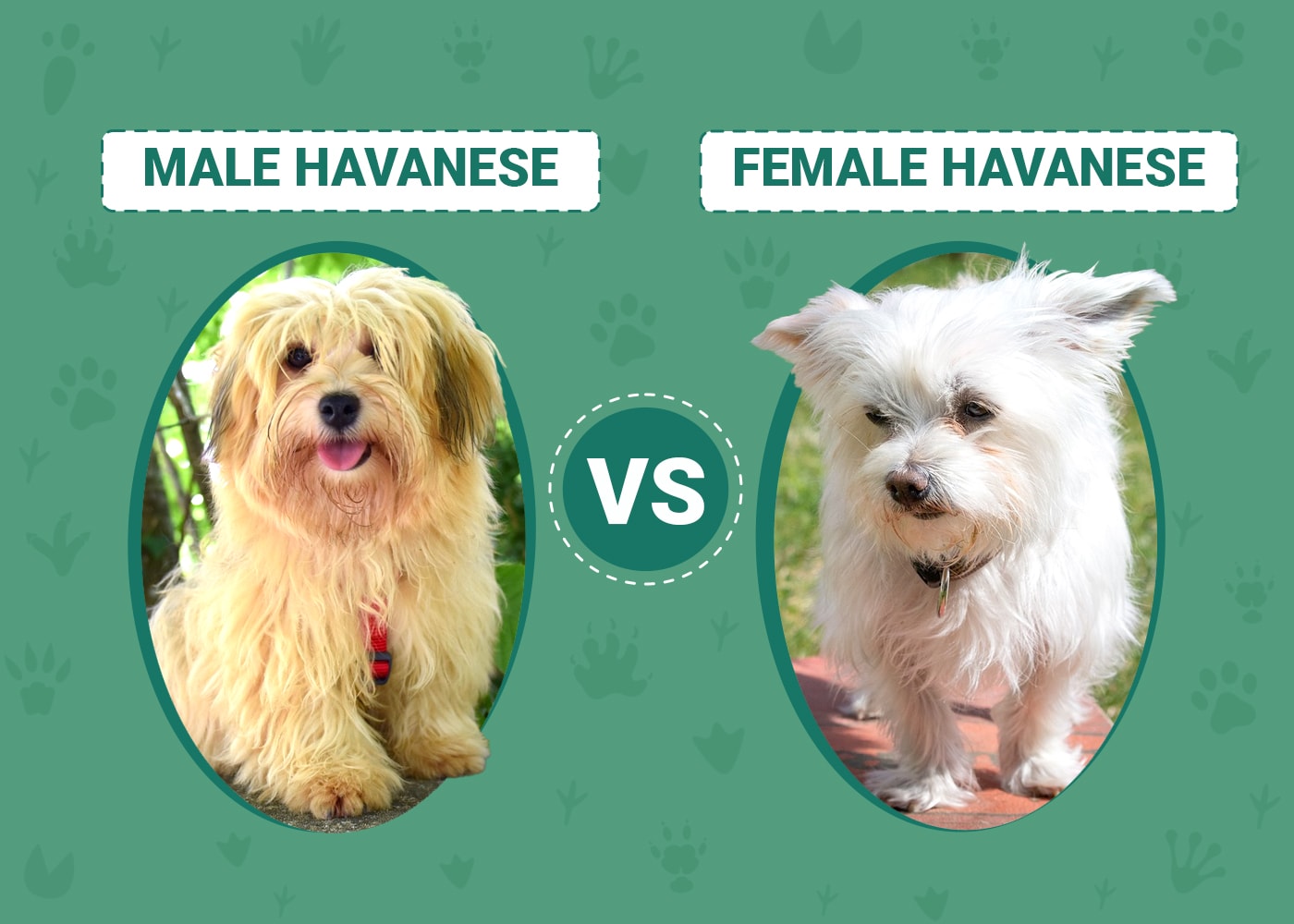
Are you considering adding a cute and cuddly Havanese to your family? Congratulations! These charming little dogs make wonderful companions with their playful personalities and loving nature. But before you start searching for your perfect pup, there‘s one important decision to make: do you want a male or female Havanese?
While both genders share many of the same endearing qualities, there are some subtle differences to keep in mind. As a veterinarian and lifelong dog lover, I‘m here to break down the key distinctions between male and female Havanese to help you choose the ideal furry friend for your lifestyle. Let‘s dive in!
Size Matters (A Little)
One of the first things potential Havanese owners often ask about is size. On average, males tend to be slightly larger than their female counterparts:
- Male Havanese typically stand 9-11 inches tall and weigh 8-13 pounds when fully grown
- Females usually range from 8-10 inches in height and 7-12 pounds in adulthood
While these differences may seem negligible, they can be a factor for those living in smaller spaces or looking for a more portable pup. If you plan on traveling frequently with your Havanese or have limited room at home, a female may be the better choice.
However, it‘s important to remember that these are just averages – individual dogs can fall outside of these ranges depending on their genetics and overall health. The best way to gauge your Havanese‘s adult size is to meet their parents and speak with a reputable breeder.
Personality: Boys vs Girls
Now let‘s talk temperament. Many Havanese enthusiasts insist that males and females have distinct personality traits, but in my experience, individual variation plays a much bigger role than gender alone. That being said, here are some general trends I‘ve noticed:
Male Havanese tend to be:
- More laid-back and easy-going
- Sillier and more playful, even into adulthood
- Extra affectionate and people-oriented
- Less territorial and easier to socialize
Meanwhile, female Havanese are often:
- A bit more independent and self-assured
- Slightly less tolerant of rough play or teasing
- More protective of their owners and territory
- Quicker to mature and settle into routines
Of course, these are just broad generalizations – every dog is an individual with their own unique quirks and characteristics. Proper socialization and training from an early age can also greatly impact your Havanese‘s overall temperament regardless of gender.
According to a survey of Havanese owners, 62% reported no significant personality differences between their male and female dogs. However, 25% said their males were more outgoing and silly, while 13% found their females to be more reserved and cautious around strangers.
Ultimately, the best way to find your perfect match is to spend time with multiple puppies of both genders and see which one tugs at your heartstrings. A good breeder will also be able to provide insight into each pup‘s emerging personality to help guide your decision.
Health & Care Considerations
As with any breed, Havanese can be prone to certain health issues. While there aren‘t many gender-specific concerns, there are a few things to keep in mind:
- Males may be slightly more prone to orthopedic problems like hip dysplasia and luxating patellas due to their larger size
- Females have a higher risk of mammary tumors if not spayed before their first heat cycle (usually around 6 months old)
- Both genders can inherit eye disorders, heart murmurs, and liver shunts – be sure to choose a breeder who health tests their dogs
In terms of grooming, male and female Havanese have the same needs. Their long, silky coats require daily brushing to prevent mats and tangles, as well as regular baths and trims. Many owners opt to keep their Havanese in a shorter "puppy cut" to minimize maintenance.
One notable difference is that unaltered males may be more prone to marking their territory indoors, while unspayed females will go through heat cycles twice a year. If you don‘t plan on breeding your Havanese, I highly recommend spaying or neutering them at the appropriate age to prevent unwanted behaviors and health issues down the line.
Training & Socialization
Havanese are intelligent, eager to please, and relatively easy to train compared to some other small breeds. However, they can be a bit sensitive and don‘t respond well to harsh corrections or punishment-based methods. Positive reinforcement with plenty of praise and treats is the way to go!
While both males and females are equally trainable, some owners report that their boys are slightly more food-motivated and people-pleasing. Girls, on the other hand, may be a bit more independent and stubborn at times.
Regardless of gender, it‘s crucial to start socializing your Havanese early on to help them become well-rounded and confident dogs. Expose them to a variety of people, animals, and environments from a young age, and consider enrolling in a puppy class or doggy daycare for extra practice.
Housetraining can be a challenge for this breed, as they have small bladders and can be prone to separation anxiety. Consistency and patience are key – create a regular potty schedule, supervise closely, and never punish accidents. Some owners find that crate training helps speed up the process.
Making Your Choice
At the end of the day, both male and female Havanese make wonderful companions for the right person or family. While there are some subtle differences between the genders, individual personality is far more important in finding your perfect match.
When choosing a puppy, focus on temperament over anatomy. Look for a pup who is outgoing, curious, and confident – one who eagerly approaches you and seems comfortable being handled. Avoid puppies who are excessively shy, fearful, or aggressive, as these traits can be difficult to change later on.
If possible, meet both parents to get a sense of their personalities and health history. A reputable breeder will also be able to guide you towards the puppy who best suits your lifestyle and preferences.
Remember that owning a Havanese is a long-term commitment – these little dogs have an average lifespan of 14-16 years! Be sure you‘re prepared for the time, energy, and financial responsibilities of dog ownership before bringing one home.
With proper care, training, and lots of love, your Havanese will be a loyal and adoring companion for many years to come – no matter which gender you choose. Here‘s to many happy adventures with your new furry friend!