Male vs Female Vizslas: An In-Depth Look at the Spirited Supermodels of the Dog World
Introduction
Few dog breeds can match the Vizsla‘s combination of athleticism, affection, and sheer joie de vivre. These Hungarian hunting dogs have captured the hearts of countless owners with their boundless energy, velvety coats, and endearing cuddles. For prospective Vizsla owners, one of the first decisions to make is whether to welcome a male or female pup into the family. While both sexes share the breed‘s signature traits, there are some subtle differences between Vizsla boys and girls. Let‘s explore the nuances of each to help you find your ideal russet-coated companion.
Breed Basics
Before diving into sex differences, it‘s important to understand the essential qualities that define the Vizsla breed. Developed in Hungary as a pointer and retriever, the Vizsla is a medium-sized, short-coated sporting dog known for its:
- Endless stamina and energy
- Velcro-like attachment to owners
- Eager-to-please, highly trainable nature
- Gentle, affectionate disposition
- Sensitivity and softness to correction
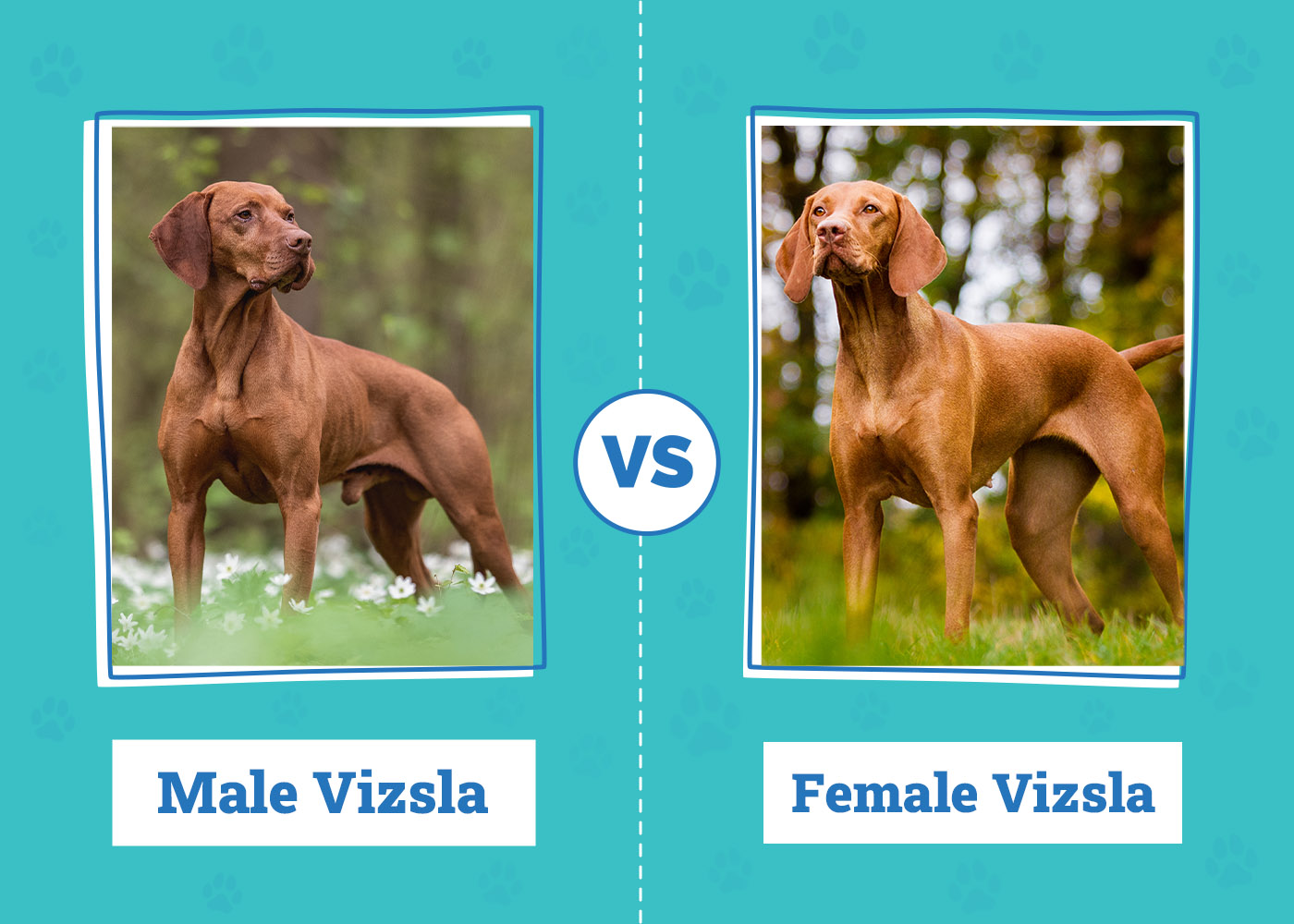
According to the American Kennel Club breed standard, male Vizslas should stand 22-24 inches at the shoulder and weigh 55-60 pounds on average. Females are typically a little smaller at 21-23 inches tall and 44-55 pounds. Both sexes are muscular and agile with a distinctive rust-colored coat, long silky ears, and expressive amber eyes.
As active sporting dogs, Vizslas require substantial daily exercise to stay physically and mentally fulfilled. A 2018 study by the Vizsla Club of America found that Vizsla owners spent an average of 2-3 hours per day exercising their dogs, with favorites activities including running, hiking, swimming, and playing fetch. Without enough outlets for their energy, Vizslas of either sex can become destructive or develop anxiety.
Vizslas also thrive on human companionship and are often referred to as "velcro dogs" for their desire to be in constant contact with their owners. In a 2019 survey by Vizsla Club of America, 82% of Vizsla owners reported that their dogs followed them from room to room throughout the day. These devoted dogs can develop separation anxiety if left alone for long periods, so they do best with an owner who can be with them most of the time.
The Boys: Goofy, Gallant, and Always Game
So what sets a male Vizsla apart? The most obvious difference is size – male Vizslas are heavier and taller than females on average. They tend to be slightly more muscular and blocky in build. Mentally, male Vizslas have a reputation for being perennial goofballs. They often stay in a puppy-like mindset well into adulthood, always ready to play and a little slow to mature. Dr. Jessica Vogelsang, a veterinarian and author, describes male dogs as "eternal optimists, always assuming that everyone they meet will be thrilled to make their acquaintance."
This happy-go-lucky nature can make males more social with new people and other dogs. They tend to greet everyone as a long-lost friend and are more likely to enjoy rough-and-tumble play with doggie pals. The Vizsla breed as a whole is not known for dog aggression, but with less intact males (70%) display some degree of aggression toward other male dogs.
The downside to the boys‘ boundless enthusiasm is that some male Vizslas can be overly exuberant in their greetings, with lots of jumping up and mouthing. They may be more easily distracted in training by interesting smells or potential playmates. Obesity can also be more of an issue for males, who are inclined to gobble any food in sight and gain weight more easily than their sisters.
Trainers often advise channeling a male Vizsla‘s boisterous energy and distractibility with positive reinforcement training and plenty of physical and mental exercise. Male Vizslas excel at high-energy dog sports like field trials, agility, and dock diving that keep them in tip-top shape. With patience and consistency, they can learn to be polite greeters and responsive companions.
When it comes to health, male Vizslas are somewhat more prone to certain inherited conditions like hip dysplasia, elbow dysplasia, and hypothyroidism. According to the Orthopedic Foundation for Animals, 5.5% of male Vizslas have abnormal hip x-rays compared to 3.2% of females. Neutering a male Vizsla, ideally after he has reached full skeletal maturity around 18-24 months old, can help prevent unwanted behaviors like roaming and mounting. However, some studies suggest that neutering before maturity may slightly increase the risk of certain cancers and joint disorders.
The Girls: Clever, Determined, and Tuned In
Female Vizslas may be smaller than males on average, but don‘t underestimate their outsized personalities. The girls tend to be a little more serious and quick to mature than their brothers. They are often intensely focused and determined – once a female Vizsla sets her mind to something, she puts her whole heart into it. As Vizsla breeder Diane Fazio puts it, "If a male Vizsla sees a bird in the field, he immediately goes into search mode. A female Vizsla not only sees the bird, but remembers exactly where she saw it yesterday and the day before that."
This keen intelligence and ground in reality makes female Vizslas highly trainable. They tend to be attentive pupils that thrive on mental stimulation and problem-solving. Many excel in advanced obedience, rally, nose work, and other sports that challenge their agile minds. Female Vizslas are also known for their sensitive, intuitive natures. They are deeply attuned to their owner‘s moods and body language and seem to instinctively provide comfort when needed.
Physically, female Vizslas are sleek and elegant with a more refined build than males. They tend to stay in peak condition more easily and are less likely to become overweight. Some owners report that their female Vizslas seem to have softer, silkier coats compared to the boys. Grooming-wise, both sexes require regular nail trims, ear cleaning, dental care, and baths as needed. Seasonal shedding is moderate for the breed and can be managed with weekly brushing.
The main consideration with female Vizslas is heat cycles. Unspayed females usually come into heat every 6-8 months for 2-3 weeks at a time. During these periods, females experience physical and behavioral changes including a swollen vulva, bloody vaginal discharge, increased urination, and nesting behaviors. Most females become flirty and receptive to male attention while in standing heat.
Owners must be vigilant about keeping intact females away from males to prevent unintended breedings during heat cycles. This means no off-leash adventures, visiting dog parks, or unsupervised time in the yard. Some females also experience pseudopregnancy after a heat cycle, with symptoms like weight gain, lethargy, and even milk production. Spaying a female Vizsla before her first heat (ideally around 6-9 months old) prevents future cycles and eliminates the risk of mammary cancer and pyometra.
Apart from heat-related quirks, female Vizslas are easy keepers with the same zest for life as their male counterparts. They adore their owners and are up for any adventure, whether that‘s a 10-mile trail run or lazy Sunday brunch on the patio. As Vizsla owner Mary K. shares, "My female Vizsla is the ultimate copilot – she‘s always ready to ride shotgun on any outing, but she‘s also content to chill by my side while I read a book. She has an uncanny way of matching her energy to mine."
Which Vizsla Is Your Ideal Match?
With their shared breed traits of athleticism, affection, and smarts, you really can‘t go wrong with a male or female Vizsla. Both sexes will be your devoted sidekick, ardent adventure buddy, and champion snuggler. Existing compatibility with your lifestyle and training goals is key for choosing which sex might be the best fit.
Families with young children might appreciate the more easy-going nature and sense of humor of a male Vizsla. The boys‘ enduring silly streak can make them more tolerant of toddler antics and roughhousing, though their rambunctiousness may be overwhelming for some kids. Experienced dog owners seeking an intuitive partner for advanced training and performance events might gravitate toward the focus and desire to please of a female.
Activity level and household composition are other factors to consider. The Vizsla‘s exercise needs can‘t be overstated – couch potatoes need not apply! If you enjoy an especially active lifestyle with lots of running, hiking, or other high-octane pursuits, the slightly lower energy and higher trainability of a female could be a better match. Conversely, a male‘s bottomless fuel tank might be perfect for someone who wants a tireless workout buddy.
If you have other pets, a male Vizsla‘s goofy magnetism and love of play could help him make fast friends with resident dogs. A female might be a better fit for a household with small animals like cats that could be unnerved by a male‘s constant invitations to wrestle. Of course, both sexes need proper socialization with other pets from a young age for harmonious interspecies relationships.
Ultimately, individual personality trumps sex when it comes to picking your perfect Vizsla. Attentive breeders carefully evaluate each puppy‘s temperament through structured tests and observation to match them with the right homes. Things like confidence, curiosity, problem-solving skills, noise sensitivity, and adaptability to strange stimuli all play a role in a pup‘s suitability for a particular lifestyle. Communicating openly with your breeder about what you‘re looking for in a canine companion is the best way to be paired with your dream dog.
Conclusion
No matter which flavor of Vizsla you choose – goofball guy or clever gal – you‘ll be welcoming an adoring, agile, and incredibly affectionate friend into your life. As long as you can provide the exercise, training, and togetherness this people-oriented breed craves, your Vizsla will be an endlessly entertaining and devoted family member.
Whichever sex you choose, the surest path to a well-adjusted, well-mannered Vizsla is a commitment to positive training, socialization, and quality time with your velvet-eared shadow. In the words of Vizsla aficionado Blaise Puccinelli, "Vizslas, male or female, have an immense capacity for love and joy. The more you pour into them with training and affection, the more they blossom into the ultimate companion, up for anything and everything by your side."
With their dashing good looks, endearing personalities, and full-throttle approach to life, Vizslas of both sexes have a well-deserved reputation as the "supermodels" of the dog world. Whether you fall for a goofy, gallant boy or a clever, intuitive girl, the Vizsla‘s versatile charms are impossible to resist. Welcoming one of these red-coated rovers into your heart and home might just be the beginning of the most fun, fulfilling friendship of your life.