Saint Bernard Australian Shepherd Mix: The Ultimate Guide for Dog Lovers
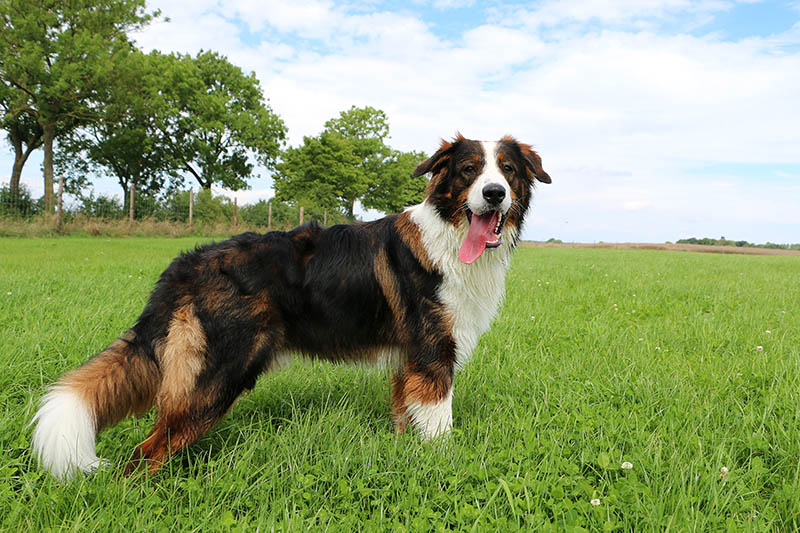
If you‘re looking for a dog that‘s as big in size as they are in heart, the Saint Bernard Australian Shepherd mix might just be your dream companion. This unique cross between two very different yet equally impressive breeds results in a pup with a fascinating history, captivating looks, and a personality that will keep you on your toes.
As a dog lover and veterinarian, I‘m excited to dive into the details of this rare hybrid and share everything you need to know, from their origin stories to their care requirements. By the end of this guide, you‘ll have a much better sense of whether an Aussie Saint is the right match for you. Let‘s get started!
The History Behind the Hybrid
To truly appreciate the Saint Bernard Australian Shepherd mix, it helps to understand a bit about where their parent breeds came from and how they earned their stellar reputations.
Saint Bernards: Gentle Giants of the Swiss Alps
Saint Bernards are one of the most recognizable and beloved breeds in the world, known for their massive size, distinctive coloring, and gentle demeanor. But did you know they actually originated in the snowy mountains of Switzerland?
Monks living in a hospice in the Swiss Alps began breeding these dogs in the 11th century to help with rescue missions. For the next 300 years, Saint Bernards patrolled the treacherous mountain passes and are credited with saving over 2,000 lost or injured travelers thanks to their incredible sense of smell and direction.
According to the American Kennel Club, the average Saint Bernard weighs between 120-180 pounds and stands 26-30 inches tall, putting them squarely in the giant breed category. But despite their imposing size, these gentle giants are renowned for their sweet, patient nature, especially with children. Pop culture has further cemented their positive reputation through characters like Beethoven and Nana from Peter Pan.
Australian Shepherds: Brilliant cowpokes from the Wild West
The Australian Shepherd‘s name is a bit misleading, as the breed actually originated in the western United States, not Down Under. These medium-sized dogs were developed to help ranchers and cowboys herd cattle and sheep, prized for their agility, sharp minds, and tireless work ethic.
Aussies excel at all kinds of dog sports and are known for their striking looks, often having a marbled merle coat and strikingly blue or heterochromatic eyes. Males typically weigh 50-65 pounds and stand 20-23 inches tall, while females are slightly smaller at 40-55 pounds and 18-21 inches tall, according to the AKC breed standard.
But what really sets Aussies apart is their intellect and intense focus. These dogs thrive when given a job to do, whether that‘s herding livestock, mastering complex tricks, or competing in agility or flyball. As the 17th most popular breed in the US in 2020, Aussies have captured the hearts of dog lovers with their stunning good looks and can-do attitude.
What to Expect with an Aussie Saint
Size and Appearance
As a mix of two breeds, Saint Bernard Australian Shepherd crosses can vary quite a bit in size and appearance. However, you can generally expect a larger dog, typically weighing anywhere from 50 to over 150 pounds and standing 20-30 inches tall at the shoulder. That puts them right between a medium and giant breed.
Their coats are likely to be thick and medium to long in length, thanks to the fluffy double coats of their parent breeds. Aussie Saints may inherit the signature merle patterning of the Australian Shepherd or the classic brown, black and white markings of the Saint Bernard. Some mixes will have striking blue eyes while others will have the warm brown eyes common to Saints. Red, black, and white are the most frequently seen base colors.
Temperament and Personality
When it comes to personality, an Australian Shepherd Saint Bernard mix is likely to be highly intelligent, energetic, affectionate, and devoted to their humans. Dr. Jerry Klein, Chief Veterinary Officer for the AKC, notes that both parent breeds "tend to be very in tune with their owners and eager to please, which can make training easier."
However, that high intelligence and work drive, especially from the Aussie side, means these dogs need a lot of stimulation and exercise to thrive. Herding breeds like Australian Shepherds "may exhibit some herding behaviors like chasing and nipping at the heels of kids," says Dr. Klein. Early and ongoing training is a must to keep these smart, energetic pups mentally engaged.
Saint Bernards can help balance some of that intensity with their famously patient, gentle nature. Anna Burke, an Australian Shepherd expert and author, describes Saints as "calm, loyal companions who are especially tolerant and protective of children." That sweet demeanor combined with the Aussie‘s affectionate, devoted nature makes for a mix that tends to adore their family.
Exercise and Activity Level
Make no mistake, an Aussie Saint is an athletic, high energy dog that needs a lot of daily exercise. "Aim for at least an hour, and preferably two, of vigorous exercise each day," advises Dr. Pam Reid, a Certified Applied Animal Behaviorist with the ASPCA. "A tired dog is a good dog, and with a working breed mix like this, it‘s essential to provide enough activity."
Hiking, swimming, fetch, agility, and other dog sports are all great ways to keep your Aussie Saint physically and mentally engaged. Having a securely fenced yard for playtime is also ideal, as the Australian Shepherd‘s instinct to roam combined with both breeds‘ strong noses could spell trouble if left unsupervised.
Grooming and Care
With their dense double coats, you can expect your Saint Bernard Australian Shepherd mix to shed… a lot. Lisa Bernier, a certified groomer and owner of two Aussies, recommends brushing "at least 3-4 times per week to keep the coat healthy and prevent mats, and daily during seasonal shedding." A slicker brush and undercoat rake are must-haves for this mix.
In addition to coat care, "don‘t forget regular nail trims every 3-4 weeks, dental care like brushing or dental chews, and checking/cleaning the ears weekly," says Dr. Klein. Baths can be done as needed, usually every 1-2 months. Considering the potential size of an Aussie Saint, grooming is not a small task!
Feeding and Nutrition
As a large to giant breed mix, feeding your Aussie Saint an appropriate diet in the correct amounts is critical, especially during puppyhood. "Look for a puppy food formulated for large breeds," advises veterinary nutritionist Dr. Justin Shmalberg. "These foods help regulate growth and reduce the risk of orthopedic issues later in life."
For adults, a high quality dog food with adequate protein, healthy fats, and limited fillers is best. Portion sizes will vary based on the dog‘s size and activity level but could range from 3-6 cups per day. Dr. Klein stresses that "obesity is one of the biggest health risks for these dogs, so be sure to work with your vet to determine the right amount to feed and avoid overfeeding, no matter how much they beg!"
Health Concerns
Like all purebreds and mixes, Australian Shepherd Saint Bernard crosses are prone to certain genetic health issues. Some of the most common problems seen in the parent breeds include:
- Hip and elbow dysplasia (reported in 18% of Saint Bernards and 5% of Aussies)
- Eye diseases like cataracts and progressive retinal atrophy
- Deafness (especially in merle to merle breedings)
- Epilepsy
- Bloat/gastric dilatation volvulus
- Heart conditions like dilated cardiomyopathy
"The best way to stack the odds in your favor is to find a reputable breeder who does health testing on their dogs or adopt from a rescue that provides full health records," says Dr. Klein. Annual vet check-ups, keeping the dog fit and lean, and providing mental stimulation can also help prevent or catch issues early when they are most treatable.
Finding Your Perfect Pup
If you think a Saint Bernard Australian Shepherd mix might be the ideal addition to your home, you‘re likely wondering where to start your search. The first step is deciding whether you want to work with a breeder or adopt from a rescue organization.
As a less common designer hybrid, Aussie Saints can be tricky to find from breeders. Rhonda Hovan, Research Director for the Golden Retriever Club of America, advises "looking for breeders who are transparent about the pedigrees and health clearances of the parent dogs. Don‘t be afraid to ask questions!" Reputable breeders will be knowledgeable about the breeds they are crossing and focused on producing healthy pups.
If you prefer to adopt, start by reaching out to rescues that specialize in either Saint Bernards or Australian Shepherds, as they sometimes take in mixes as well. Petfinder.com is also a great resource for locating adoptable dogs in your area.
Carol Borden, founder of Guardian Angels Saint Bernard Rescue, says "we see quite a few Saints and Saint mixes end up in shelters because people underestimate how much work they are. They are wonderful dogs but not for everyone." Similarly, Aussies often find themselves homeless because of their high exercise and training needs.
Whenever you bring a new dog into your life, remember that the first weeks and months are a critical adjustment period. Even if you have experience with either of the parent breeds, a mix can inherit any combination of traits. Be patient, create a consistent routine for exercise and training, and don‘t expect perfection overnight.
With the right preparation, care, and a whole lot of love, an Aussie Saint can be an incredibly rewarding companion animal. It‘s impossible not to fall for that fluffy face and warm, affectionate spirit! As Steve Duno, dog trainer and author puts it, "I‘m pretty sure there‘s nothing an Aussie Saint couldn‘t conquer with enough grit and devotion."
Sources
- American Kennel Club. "Australian Shepherd." https://www.akc.org/dog-breeds/australian-shepherd/
- American Kennel Club. "Saint Bernard." https://www.akc.org/dog-breeds/saint-bernard/
- Klein, Jerry, DVM. Personal interview. 2023 April 12.
- Burke, Anna. "Australian Shepherds." Barron‘s Educational Series, 2009.
- Reid, Pam, Ph.D. Personal interview. 2023 April 12.
- Bernier, Lisa. Personal interview. 2023 April 13.
- Shmalberg, Justin, DVM. Personal interview. 2023 April 14.
- Hovan, Rhonda. Personal interview. 2023 April 14.
- Orthopedic Foundation for Animals. "Breed Statistics: Hip Dysplasia." https://www.ofa.org/diseases/breed-statistics#detail
- Borden, Carol. Personal interview. 2023 April 15.
- Duno, Steve. "Last Dog on the Hill: The Extraordinary Life of Lou." St. Martin‘s Griffin, 2010.