Ouch! My Poor Pup: What to Do When You Accidentally Step on Your Dog‘s Paw

As a devoted dog parent, you strive to keep your canine companion safe, happy, and healthy. But even with the best intentions, accidents happen. Probably every owner has experienced that heart-stopping moment when you put your foot down and feel the squish of a paw followed by a yelp. Suddenly, your pup is limping, and you‘re left wondering if you‘ve done serious damage.
Before you panic, know that you‘re not alone. According to a 2021 survey by the American Pet Products Association (APPA), 69 million U.S. households own a dog, so paw-related mishaps are bound to occur. In fact, a study published in the Journal of Veterinary Emergency and Critical Care found that foot and toe injuries accounted for nearly 15% of all canine emergencies presenting to veterinary hospitals.
While prevention is always the goal, being prepared for potential paw problems is part of being a responsible pet owner. In this comprehensive guide, we‘ll walk you through how to assess the situation, provide first-aid, know when to visit the vet, and help your furry friend recover. With a little knowledge (and a lot of love), you‘ll be ready to handle whatever life throws at you and your pup.
The Amazing Anatomy of a Dog‘s Paw
To fully understand the impact of a paw injury, it helps to know a bit about the structures that make up your dog‘s feet. Despite their compact size, canine paws are complex marvels of bioengineering that enable agile movements like running, jumping, and digging.
Each paw contains five main components:
- Digital pads: The leathery bumps at the end of each toe that provide traction. Dogs have four digital pads on each hind foot and five on each forefoot.
- Metacarpal/metatarsal pad: The large, heart-shaped pad in the center of the paw that bears most of the dog‘s weight.
- Dewclaw: The vestigial toe on the inside of the front leg (and sometimes hind leg) that doesn‘t contact the ground. Some breeds have their dewclaws removed shortly after birth.
- Carpal pad: A small, round pad above the front paw that doesn‘t normally touch the ground unless the dog is standing still or moving slowly.
- Phalanges, metacarpals/metatarsals, and carpals/tarsals: The small bones within each toe and paw. Dogs have 16 phalanges, 10 metacarpal bones, and 14 carpal bones in their front paws; the hind paws have 12 phalanges, 8 metatarsals, and 7 tarsal bones.

Image credit: Uwe Gille, Wikimedia Commons, CC BY-SA 4.0
All these bony structures are held together by a complex network of ligaments, tendons, muscles, nerves, and blood vessels. The paw pads are made of thick, keratinized skin (like calluses) with fatty tissue underneath for shock absorption. The nails are composed of hard keratin and grow from the quick, which contains nerves and blood supply.
Signs You Should Seek Veterinary Attention
So you‘ve accidentally stomped on a paw – now what? Your next steps will depend on the severity of the injury. Some issues can be managed at home, while others require professional care. Here are the red flags that indicate your dog needs to see a veterinarian ASAP:
- Heavy bleeding, deep lacerations, or protruding bones
- Dangling limb or inability to bear weight
- Severe pain, swelling, or bruising
- Holding the paw up or at an abnormal angle
- Any obvious deformity or asymmetry compared to other limbs
- Limping or crying out for more than 24 hours
- Lethargy, inappetence, or other signs of feeling unwell
Even if you don‘t witness these extreme symptoms, it‘s wise to have your vet evaluate any lameness or change in behavior after a paw injury. Dogs are masters at masking pain, so subtle signs like reluctance to walk or play could indicate a more serious problem brewing beneath the surface. When in doubt, it‘s always better to get your pup checked out.
How to Provide Proper First-Aid
For mild injuries, there are a few things you can do at home to keep your dog comfortable while you wait for your vet appointment:
- Clean any wounds with warm water and mild soap, and apply pressure with a clean cloth if bleeding. Avoid using peroxide, alcohol, or other harsh disinfectants that can damage tissue.
- Examine the paw carefully, looking for swelling, redness, cuts, foreign objects, or irregular angles. Take note of which specific toes or areas are painful to the touch.
- Apply an ice pack wrapped in a towel to the affected paw for 10-15 minutes to reduce inflammation and numb pain. Offer several sessions per day.
- Encourage your dog to rest and avoid putting weight on the sore foot. Confine them to a small area if needed. Limit walks to short potty breaks.
- Place your pup‘s food, water, and bed nearby so they don‘t have to walk far. Consider elevating the bowls for easier reach if the front paw is injured.
Never give your dog human pain medications like aspirin, ibuprofen (Advil), naproxen (Aleve), or acetaminophen (Tylenol). Many over-the-counter drugs are toxic to pets and can cause life-threatening complications. Your veterinarian can prescribe safe, effective pain control if needed.
What to Expect at The Vet Visit
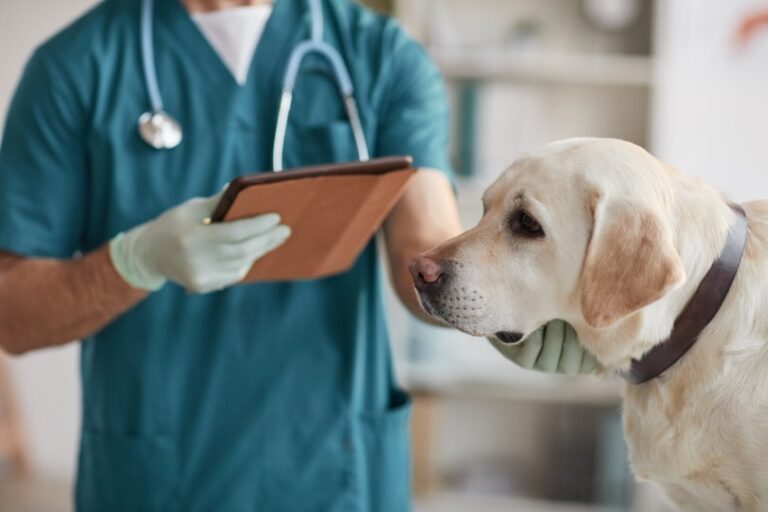
When you arrive at the clinic, your veterinarian will perform a thorough physical exam, paying special attention to the injured limb. They will palpate each toe and joint, feeling for instability, swelling, pain responses, and grating or popping sensations that could indicate a fracture.
Depending on the exam findings, your vet may recommend one or more diagnostic imaging techniques:
- Radiographs (x-rays): The most common tool for evaluating bony structures. They can reveal fractures, dislocations, arthritis, and some soft tissue swelling. Multiple views are often needed for the tiny paw bones.
- Ultrasound: Useful for assessing ligaments, tendons, and other soft tissues in real-time. Ultrasound can detect foreign bodies and guide biopsy or aspiration procedures.
- CT (computed tomography): A more advanced form of x-ray that creates detailed cross-sectional images. CTs are ideal for complex fractures, especially those involving joints.
- MRI (magnetic resonance imaging): The gold standard for visualizing soft tissue injuries like torn ligaments or intervertebral disc herniations. MRIs are less commonly used for paw problems unless neurological deficits are present.
Your veterinarian will choose the most appropriate tests based on the suspected injury, your dog‘s signalment (age, breed, etc.), and other factors. In some cases, they may need to sedate your dog to get clear images and perform a thorough exam without causing undue stress.
Road to Recovery: Treatment and Rehabilitation
The treatment plan for your dog‘s boo-boo will vary depending on the underlying cause. Some common therapies include:
- Rest and restricted activity: For minor sprains, strains, and bruises, your vet may recommend strict crate rest for several days to weeks. Short, leashed walks for potty breaks are okay, but avoid stairs, jumping, and vigorous play until healed.
- Cold/heat therapy: Applying cold packs for the first 48-72 hours post-injury can reduce acute inflammation and pain. After that, warm compresses may help relax muscles and improve blood flow.
- Pain medications: Your vet can prescribe NSAIDs (non-steroidal anti-inflammatory drugs) like carprofen, meloxicam, or deracoxib to control discomfort. Other options include gabapentin for nerve pain and tramadol for more severe pain.
- Splints or casts: Fractures below the elbow often heal well with external coaptation (rigid support). The affected limb is wrapped in soft padding and encased in fiberglass, plastic, or metal splints for 4-8 weeks while the bone mends.
- Surgery: More complex fractures, especially those involving joint surfaces or multiple fragments, may require surgical stabilization with plates, screws, or pins. Torn ligaments like the cranial cruciate ligament (analogous to the ACL in humans) also benefit from surgical repair.
- Physical rehabilitation: After the initial healing period, your vet may recommend physical therapy exercises to rebuild strength and flexibility. Techniques like passive range of motion, underwater treadmill training, and therapeutic laser can speed recovery.
- Paw protection: As your pooch starts to bear weight again, it‘s important to prevent re-injury. Dog boots or socks can provide extra cushioning and traction on slippery surfaces. Avoid hot pavement, rough terrain, and de-icing chemicals that can irritate sensitive paw pads.
Be sure to follow your vet‘s discharge instructions carefully and attend all recheck appointments. Never allow your dog to lick or chew at their bandages or incisions. An Elizabethan collar (cone) or inflatable donut collar can deter meddling mouths.
An Ounce of Prevention: Protecting Your Pup‘s Paws
Of course, the best treatment for paw injuries is preventing them in the first place. Here are some simple steps you can take to keep your canine companion‘s feet in tip-top shape:
- Nail care: Overgrown nails can catch on carpet or furniture and tear painfully. Keep your pup‘s claws trimmed short, and file any sharp edges. If you‘re not comfortable doing it yourself, most groomers and vet clinics offer nail trims for a small fee.
- Paw inspections: Make a habit of checking your dog‘s feet daily for cuts, cracks, foreign objects, or abnormal growths. Don‘t forget to peek between the toes and pads.
- All-weather gear: Protective booties can shield paws from hot asphalt, ice balls, and harsh chemicals. For dogs who won‘t tolerate shoes, paw wax balms create an invisible barrier against the elements.
- Joint support: As dogs age, they become more prone to arthritis and other joint diseases that can cause paw pain and limping. Supplements containing glucosamine, chondroitin, and omega-3 fatty acids may help keep joints lubricated and comfortable. Consult your vet for personalized recommendations.
- Weight management: Excess pounds put extra stress on the bones and soft tissues of the feet. Keep your pup at a healthy weight with portion control and regular exercise.
- Home safety: Do a sweep of your house and yard for potential hazards like loose nails, broken glass, or sharp rocks. Use baby gates to block off stairs or slippery areas for unsteady seniors or post-surgical pups.
- Puppy proofing: Curious youngsters are prone to paw problems as they explore the world nose-first. Puppy-proof your space by taping down electrical cords, removing toxic plants, and storing tempting chew items out of reach.
The Bottom Line: Tender Loving Care
At the end of the day, accidents can happen to even the most vigilant pet parents. The occasional paw squish doesn‘t make you a bad owner – it makes you human. The fact that you‘re taking the time to educate yourself on proper paw care shows just how much you cherish your furry family member.
If you do happen to injure your dog, don‘t beat yourself up. Focus your energy on getting them the treatment they need to feel better. With prompt veterinary attention and a hefty dose of TLC, most paw problems resolve completely, and your pup will soon be back to their happy, tail-wagging self.
Remember, your veterinary team is always here to support you and your pet through life‘s unexpected "oops" moments. Never hesitate to reach out for guidance or reassurance. Together, we can help your four-legged BFF put their best foot forward, one paw-some step at a time.
Sources:
- American Pet Products Association (APPA) 2021-2022 National Pet Owners Survey. https://www.americanpetproducts.org/pubs_survey.asp
- Kambli KD, et al. Multicentric retrospective study of foot injuries in dogs. J Vet Emerg Crit Care (San Antonio). 2017 Mar;27(2):176-185. doi: 10.1111/vec.12577.
- Tobias KM, Johnston SA. Veterinary Surgery: Small Animal. St. Louis, MO: Elsevier; 2012.
- Millis DL, Levine D. Canine Rehabilitation and Physical Therapy. 2nd ed. Philadelphia, PA: Elsevier; 2014.