
Pomsky vs Pomeranian: Key Differences (With Pictures)
Pomsky vs Pomeranian: A Comprehensive Comparison
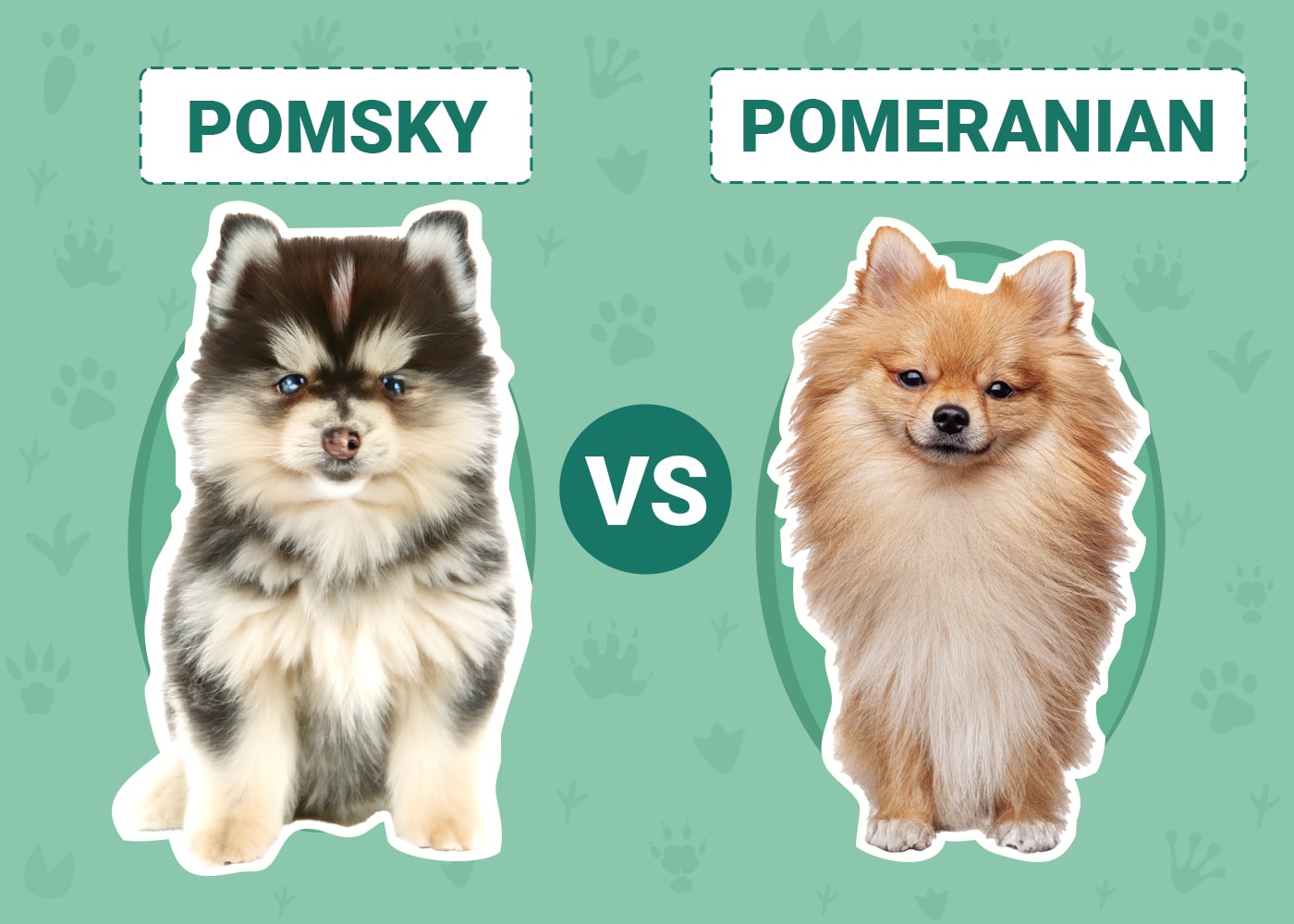
If you‘re considering adding a small, fluffy companion to your life, the Pomeranian and the Pomsky are two irresistible options. The Pomeranian is a long-established purebred toy dog known for its foxy face and big personality in a tiny body. The Pomsky, on the other hand, is a newer "designer dog" hybrid bred from Pomeranian and Siberian Husky parents.
While they may look similar at first glance, there are some key differences between these two breeds. Knowing more about their traits, needs and lifespans can help you decide which is the ideal fit for your home. Let‘s dive into a detailed comparison of the Pomsky vs. the Pomeranian.
Breed Backgrounds
The Pomeranian‘s history traces back to the region of Pomerania (in modern-day Poland and Germany). They descended from ancient Spitz-type sled dogs but were gradually downsized over many generations to become the tiny companions we know today. Pomeranians have been popular since the 1800s, owned by royals like Queen Victoria. They continue to rank among the most popular toy breeds.
Pomskies, in contrast, originated quite recently in the early 2010s. The first litters were bred by artificial insemination from Siberian Husky dams and Pomeranian sires. Their adorable husky-like looks in a smaller package quickly caught on, making them one of the trendiest hybrid dogs. However, they are not purebreds and there can be a lot of variation from one Pomsky to the next.
Size, Appearance and Coat
The most obvious difference between Pomeranians and Pomskies is size. Toy Pomeranians typically stand just 7-12 inches tall and weigh 3-7 pounds. Pomskies are small dogs but noticeably larger. Most are 10-15 inches tall and weigh 15-25 pounds – though some can be smaller or larger.
Both breeds have thick double coats, pointed ears and plumed tails. However, Pomeranians have a shorter fox-like muzzle while Pomskies tend to have a more wedge-shaped head. Pomeranians come in a wide variety of solid colors, while Pomskies frequently have the Siberian Husky‘s black and white, grey and white, or red and white markings.
Both breeds shed quite a bit and "blow coat" seasonally, requiring regular brushing. But thanks to their smaller surface area, Pomeranians may be a bit less labor-intensive in the grooming department compared to Pomskies.
Personality and Temperament
Pomeranians and Pomskies are both lively, affectionate companions who love being the center of attention. They can have a big dog attitude and are alert watchdogs who won‘t hesitate to bark if they sense something is amiss. Early training and socialization is important to keep this in check.
While friendly, Pomeranians bond very closely with their owners and can sometimes be one-person dogs. Pomskies tend to be a bit more gregarious and outgoing, thriving on interaction with the whole family.
As descendants of working sled dogs, Pomskies have energy to burn and a strong prey drive. They need a good deal more exercise than the average Pomeranian to stay healthy and out of mischief. A bored Pomsky is much more likely to become an inveterate chewer, digger or escape artist.
With their higher intelligence and independence, Pomskies can also be more of a challenge to train than Pomeranians. They need firm, consistent training from a confident owner in order to become well-mannered family citizens.
Health and Lifespan
Both Pomeranians and Pomskies can be prone to certain health issues that are important for owners to be aware of. Patellar luxation, tracheal collapse, dental disease and hypothyroidism are potential concerns for both breeds. Additionally, Pomeranians may be susceptible to seizures, heart problems and eye disorders.
As a hybrid, Pomskies often benefit from "hybrid vigor" – meaning they can be healthier than either of their purebred parents. However, they can still inherit genetic disorders from both the Pomeranian and Siberian Husky sides. These include hip dysplasia, progressive retinal atrophy and a variety of eye defects.
Most Pomeranians live around 12-16 years on average. So what about the Pomsky lifespan? While there is limited data on this relatively new hybrid, most experts estimate that Pomskies live an average of 13-15 years. However, there are a number of factors that can influence this.
In general, smaller Pomskies can be expected to live longer than those on the larger end of the spectrum. That‘s because they have less joint stress, a lower risk of bloat and are less likely to suffer age-related mobility issues later in life.
Genetics play a major role in Pomsky longevity. Pomskies with parents who are health tested prior to breeding are more likely to enjoy long, healthy lives free of debilitating inherited disorders. Yet genetics are not the only factor owners can control.
Pomskies are prone to becoming overweight if overfed, which can shave years off their lifespan. Maintaining them at a healthy, lean weight with portion control and plenty of exercise is one of the most important things owners can do.
Along with weight management, routine vet check-ups, core vaccinations, parasite prevention, and good dental care all contribute to Pomskies living longer. Injuries are a major cause of death and disability for small dogs, so keeping them safe from falls, automobile accidents and attacks from larger dogs is also key.
Mental stimulation and enrichment shouldn‘t be overlooked either. Pomskies who are bored, stressed or anxious are more likely to suffer both physical and behavioral problems. Puzzle toys, games, trick training and simply including them in daily family life can help Pomskies thrive well into their golden years.
Living Needs
Both Pomeranians and Pomskies make good apartment dwellers as long as they get enough exercise and enrichment. Pomskies tend to be a bit more vocal and may require extra training to curb nuisance barking if you have nearby neighbors.
While they enjoy outdoor adventures, both breeds should live indoors as part of the family. They‘re too small to withstand extreme temperatures and can easily fall victim to predators if left unsupervised. Securely fenced yards are a must for Pomskies, who are notorious for wandering.
As far as children, Pomeranians and Pomskies are better suited to homes with older kids who know how to handle them gently. Young children may inadvertently drop or step on them, causing serious injuries to these fragile little dogs.
While Pomeranians tend to get along well with other dogs and cats, Pomskies have a stronger prey drive that may compel them to chase smaller pets. Early socialization and training can help them learn to coexist peacefully.
Choosing the Right Breed for You
Now that you know the key differences between Pomeranians and Pomskies, you‘re better equipped to decide which breed fits your lifestyle. If you want a tiny lapdog with moderate exercise needs who will stick by your side like glue, a Pomeranian could be your perfect match.
If you don‘t mind a slightly larger dog who needs more exercise and mental stimulation, a Pomsky could be an adorable, adventurous companion. Just be sure you‘re prepared for their higher training and enrichment needs.
For those who think a Pomsky is the right choice, working with a reputable breeder who performs health testing and provides a written health guarantee is essential. Anyone offering Pomsky puppies should be able to supply proof of health screenings for the parents of the litter. Adopting an adult Pomsky from a rescue group is another great way to skip the challenging puppy stage and give a deserving dog a loving home.
No matter which breed you choose, you‘ll be gaining a loyal, loving family member who will bring joy, laughter and entertainment to your life for many years. Just remember that even the cutest small dog is a big responsibility! Providing them with proper nutrition, training, veterinary care and attention is the recipe for helping them live their best, longest life by your side.




)