Protecting Your Pup‘s Paws: A Comprehensive Guide to Treating and Preventing Dog Paw Pad Yeast Infections
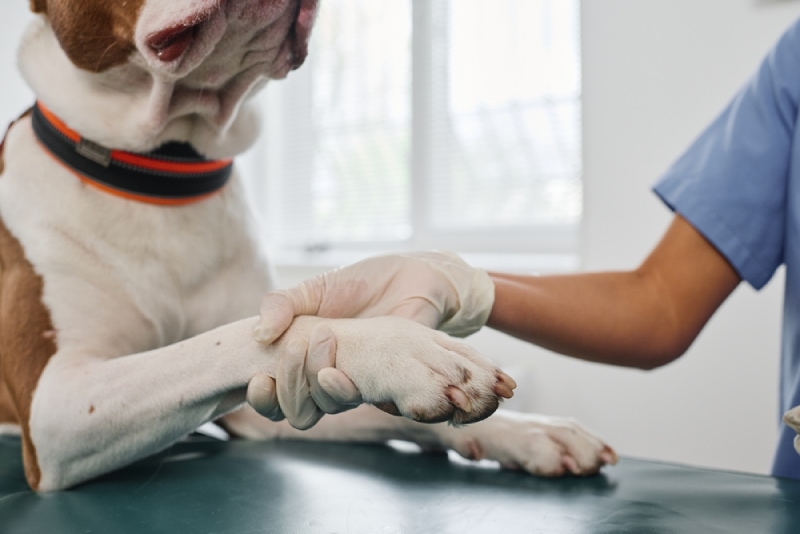
As a dedicated dog parent, you know that your furry friend‘s paws are their foundation—literally! Those soft, padded feet allow them to explore the world, fetch their favorite toys, and shower you with affection. But when a paw pad yeast infection strikes, it can put a serious damper on your pup‘s quality of life. In this in-depth guide, we‘ll walk you through everything you need to know to identify, treat, and prevent these pesky infections, so your dog can get back to living their best life.
Understanding the Anatomy of Your Dog‘s Paws
To grasp how yeast infections take hold, it‘s helpful to know a bit about the unique structure of your dog‘s paws. Each paw consists of five main parts:
- The claws (or nails)
- The digital pads (located under each toe)
- The metacarpal pad (the large, heart-shaped pad in the center of the paw)
- The dew claw (a vestigial toe on the inside of the leg)
- The carpal pad (a small pad on the back of the front legs)
Between the toes and pads lies the interdigital space—warm, moist crevices that make an ideal environment for yeast to thrive when conditions are right.
How Yeast Infections Develop
The most common culprit behind paw pad yeast dermatitis is a fungus called Malassezia pachydermatis. This microorganism is a normal part of your dog‘s skin flora, but when the skin‘s natural defenses are compromised, Malassezia can multiply rapidly, leading to an uncomfortable infection.
The Role of Allergies
In most cases, an underlying allergy is to blame for the skin imbalance that allows yeast to overgrow. When your dog‘s immune system overreacts to an allergen—be it in their food, environment, or a substance they come into contact with—it triggers an inflammatory response in the skin. This inflammation disrupts the skin‘s barrier function, creating the perfect conditions for opportunistic yeast to flourish.
According to a 2019 study published in the Journal of Veterinary Science, atopic dermatitis (allergic skin inflammation) was the most common underlying cause of Malassezia dermatitis in dogs, accounting for 66.7% of cases.
Other Contributing Factors
While allergies are the primary driver of paw pad yeast infections, other health issues can also play a role, such as:
- Hormonal imbalances like hypothyroidism
- Demodex mite infestations
- Bacterial infections (can occur concurrently with yeast)
- Excessive moisture from swimming, humid weather, or improper drying after baths
Recognizing the Signs
Catching a paw pad yeast infection early is key to getting your pup on the road to recovery. Watch for these telltale symptoms:
- Excessive licking or chewing of the paws
- Redness and swelling between the toes and on the paw pads
- A pungent, yeasty odor emanating from the feet
- Brown or reddish discoloration of the hair around the paws (from saliva staining)
- Sensitivity or pain when the paws are touched
- Limping or avoidance of bearing weight on the affected paw(s)
If you suspect your dog may have a paw pad yeast infection, don‘t wait—schedule a visit with your veterinarian for a proper diagnosis and treatment plan.
Diagnosing Paw Pad Yeast Infections
To confirm a yeast infection, your vet will likely perform a few diagnostic tests:
-
Physical examination: Your vet will carefully inspect your dog‘s paws, looking for signs of inflammation, odor, and discharge.
-
Skin scraping: A small sample of skin cells is gently scraped from the affected area and examined under a microscope to look for an overgrowth of yeast organisms.
-
Cytology: Your vet may press a piece of clear tape against your dog‘s paw to collect a sample of the discharge, which is then stained and viewed under a microscope to identify yeast and/or bacteria.
-
Allergy testing: If your vet suspects an underlying allergy, they may recommend additional testing, such as intradermal skin testing or blood tests, to identify specific allergens.
Treating Paw Pad Yeast Infections
Once diagnosed, your vet will develop a customized treatment plan based on the severity of the infection and any underlying causes. Common treatment options include:
-
Medicated shampoos and topical antifungals: Shampoos containing miconazole, ketoconazole, or chlorhexidine can help eradicate the yeast overgrowth. Lather the affected paws, allow the shampoo to sit for 5-10 minutes, then rinse thoroughly. Your vet may also prescribe topical antifungal creams or wipes.
-
Oral antifungal medications: In more severe cases, oral antifungal drugs like itraconazole or ketoconazole may be necessary to clear the infection.
-
Antibiotics: If a secondary bacterial infection is present, your vet may prescribe oral antibiotics to address it.
-
Anti-inflammatory and anti-itch medications: To relieve inflammation and discomfort, your vet may recommend oral or topical steroids, antihistamines, or other anti-itch therapies.
-
Environmental and dietary modifications: If allergies are the underlying cause, your vet will work with you to identify and minimize exposure to triggers, which may involve switching to a hypoallergenic diet, using air purifiers, or limiting time outdoors during high-pollen seasons.
It‘s crucial to follow your vet‘s treatment instructions closely and complete the entire course of medication, even if your dog‘s paws start to look better partway through.
Preventing Future Infections
Prevention is key to keeping your dog‘s paws healthy and yeast-free. Here are some tips:
-
Practice good paw hygiene: Regularly inspect your dog‘s paws for signs of irritation, odor, or excessive licking. Wipe paws with a damp cloth after walks to remove dirt and allergens.
-
Keep paws dry: After swimming or bathing, make sure to thoroughly dry your dog‘s paws, paying special attention to the spaces between the toes.
-
Manage underlying allergies: Work with your vet to identify and control any environmental, food, or contact allergies that may be contributing to yeast overgrowth.
-
Consider protective gear: If your dog is prone to paw irritation, consider using booties or paw balms to create a barrier against allergens and moisture.
-
Maintain regular grooming: Keeping your dog‘s nails trimmed and hair between the toes clipped can help prevent moisture and debris from getting trapped against the skin.
The Emotional Impact of Chronic Paw Infections
Dealing with recurrent paw pad yeast infections can be frustrating and disheartening for both dogs and their owners. It‘s important to remember that you‘re not alone in this struggle. Many dog lovers face similar challenges, and with patience, perseverance, and a strong partnership with your veterinarian, you can help your furry friend find relief.
If you‘re feeling overwhelmed, don‘t hesitate to reach out to your vet or a trusted pet parent community for support and guidance. Celebrating small victories, like a reduction in licking or a good report from the vet, can help keep you motivated and focused on the ultimate goal: a happy, healthy pup with paws made for adventure.
Frequently Asked Questions
Q: How long does it typically take to treat a paw pad yeast infection?
A: The length of treatment depends on the severity of the infection and the underlying causes. Mild cases may clear up within a few weeks, while more stubborn infections can take several months to fully resolve. Your vet will monitor your dog‘s progress and adjust the treatment plan as needed.
Q: Can paw pad yeast infections spread to other parts of the body?
A: Yes, yeast can spread to other areas of the skin, especially in warm, moist folds like the ears, armpits, and groin. It‘s essential to address the infection promptly and follow your vet‘s treatment recommendations to prevent it from spreading.
Q: Are there any home remedies for paw pad yeast infections?
A: While some dog owners may be tempted to try home remedies like apple cider vinegar or coconut oil, it‘s crucial to consult with your veterinarian before attempting any DIY treatments. Many home remedies are not backed by scientific evidence and could potentially worsen the infection or cause further irritation.
Q: Can I prevent my dog from getting paw pad yeast infections?
A: While you can‘t completely eliminate the risk, taking steps to manage underlying allergies, keep paws clean and dry, and maintain regular grooming can significantly reduce the likelihood of recurrent infections.
Antifungal Shampoo Comparison
| Product | Key Ingredients | Benefits |
|---|---|---|
| Malaseb | Miconazole, chlorhexidine | Broad-spectrum antifungal and antibacterial action |
| Ketoconazole Shampoo | Ketoconazole | Effective against Malassezia and other fungal species |
| Bexley Labs Curaseb | Chlorhexidine, ketoconazole | Antifungal, antibacterial, and antiseptic properties |
| VetWELL Ketochlor | Ketoconazole, chlorhexidine | Treats yeast and bacterial infections, deodorizes |
Remember, always consult with your veterinarian before starting any new treatment regimen.
A Dog Lover‘s Perspective
As a lifelong dog lover, I know firsthand how distressing it can be to watch your furry companion suffer from the discomfort of a paw pad yeast infection. Seeing them constantly licking and chewing at their paws, limping, or shying away from your touch is heartbreaking.
But I also know the joy and relief that comes with successfully managing these infections and restoring your dog‘s quality of life. With my own dogs, I‘ve found that staying vigilant, working closely with my vet, and focusing on the small improvements along the way have been key to keeping yeast at bay and keeping those paws healthy and happy.
It‘s not always an easy journey, but the bond you share with your dog and the knowledge that you‘re doing everything in your power to help them thrive makes it all worthwhile. So, to all the dedicated dog parents out there navigating the challenges of paw pad yeast infections: keep up the great work, celebrate the victories, and know that your love and commitment are making a world of difference in your dog‘s life.
In Conclusion
Paw pad yeast infections can be a frustrating and uncomfortable reality for many dogs and their owners. But armed with a deeper understanding of the causes, symptoms, and treatment options, you‘re well-equipped to tackle these infections head-on and help your furry friend find relief.
Remember, the key to success lies in working closely with your veterinarian, staying consistent with treatment, and addressing any underlying allergies or health issues that may be contributing to the problem. With patience, persistence, and a whole lot of love, you and your dog can put paw pad yeast infections behind you and get back to enjoying all the adventures life has to offer.
Sources
- Moriello, K. A., Coyner, K., Paterson, S., & Mignon, B. (2017). Diagnosis and treatment of dermatophytosis in dogs and cats.: Clinical Consensus Guidelines of the World Association for Veterinary Dermatology. Veterinary dermatology, 28(3), 266–e68. https://doi.org/10.1111/vde.12440
- Nuttall, T., Bensignor, E., Bergvall, K., Brömel, C., Cadiergues, M. C., Čonková, E., Cornegliani, L., Guaguère, E., Hensel, P., Hill, P., Knottenbelt, C., Pinchbeck, G., Popa, R., & Střelcová, L. (2019). Clinical consensus guidelines for the treatment of canine atopic dermatitis. The Journal of veterinary medical science, 81(4), 479–483. https://doi.org/10.1292/jvms.18-0578
- Hui-Wen C., Yung-Chun L., Yung-Hsuan C., I-Hsiu L., & Chung-Hsing C. (2018). Prevalence and Underlying Causes of Malassezia Dermatitis in Dogs. Journal of Veterinary Science, 3(2). http://www.davidpublisher.com/index.php/Home/Article/index?id=37265.html