
5 Safety Essentials for All Lone Workers

Working alone can be empowering. It gives people freedom, focus, and flexibility. But it also comes with real risks. When there is no coworker nearby, even a small problem can turn serious fast. That is why lone worker safety is not optional. It is essential.
From delivery drivers and field engineers to caregivers, cleaners, and security staff, lone workers exist in almost every industry. The good news is that with the right habits and the right technology, working alone can be much safer. One of the most powerful tools today is a reliable lone worker app.
Below are five safety essentials every lone worker should have in place.
1. A Reliable Lone Worker App for Real-Time Protection
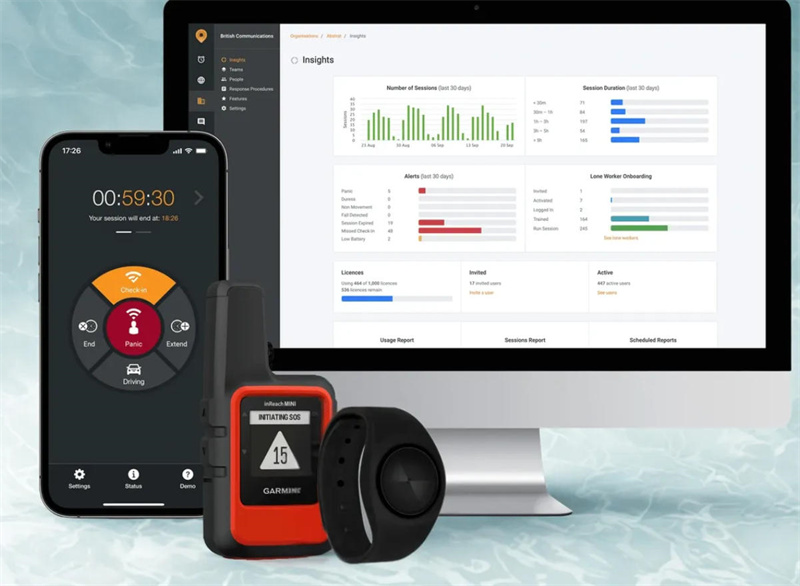
The most important safety tool for any lone worker today is a dedicated lone worker app. Unlike basic phone calls or texts, a lone worker app is built specifically for emergencies.
A good lone worker app allows workers to check in regularly, share their live location, and send instant alerts if something goes wrong. Many apps include panic buttons that can be triggered with one tap, even if the phone is locked. Some also offer automatic alerts if a worker does not check in on time or stops moving for too long.
This matters because accidents rarely come with a warning. A fall, sudden illness, or aggressive encounter can happen in seconds. A lone worker app bridges the gap between being alone and being supported. It ensures that help can be sent quickly, even if the worker cannot speak.
For employers, a lone worker app also creates peace of mind. They know their team is protected, tracked responsibly, and never truly alone.
2. Clear Check-In and Check-Out Procedures
Technology works best when paired with simple routines. Every lone worker should follow a clear check-in and check-out process.
This means confirming when work starts, where the job will take place, and when it is expected to finish. A lone worker app makes this easy by automating check-ins and reminders. If a worker misses a scheduled check-in, the system can alert a supervisor immediately.
This is not about micromanaging. It is about accountability and safety. When someone knows where a worker is supposed to be, it becomes much easier to respond if something goes wrong.
Check-in routines also help lone workers stay mindful of their own safety. It encourages them to pause, assess their environment, and stay alert throughout the day.
3. Easy Access to Emergency Support
In an emergency, speed matters more than anything. Lone workers need fast access to help without needing to explain their situation under stress.
A strong lone worker app provides direct emergency escalation. This may include calling a monitoring center, notifying managers, or contacting emergency services with location details automatically included.
This is especially important for workers in remote areas, unfamiliar locations, or high-risk roles. When stress levels are high, even dialing a number can feel difficult. One-touch emergency features remove friction and save valuable time.
Emergency access should also work silently when needed. In situations involving threats or violence, discreet alerts can protect the worker without escalating the situation further.
4. Location Sharing with Privacy Control
Knowing where a lone worker is can save lives, but privacy still matters. That is why location sharing should always be smart and controlled.
Modern lone worker apps allow location tracking only during work hours or active shifts. This protects personal privacy while ensuring safety on the job. If an incident occurs, responders can be guided to the exact location without delays or confusion.
Location data also helps employers identify high-risk areas over time. Patterns such as repeated incidents in certain locations can lead to better planning, training, and risk reduction.
For lone workers, knowing that someone can find them if needed creates confidence. It reduces anxiety and allows them to focus on doing their job well.
5. Training and Confidence in Using the App

Even the best lone worker app is useless if people do not know how to use it properly. Training is a critical safety essential.
Lone workers should feel comfortable using the app before they ever need it in an emergency. This includes practicing check-ins, testing alert buttons, and understanding what happens after an alert is sent.
Confidence reduces hesitation. When a worker trusts the system, they are more likely to use it early instead of waiting until a situation becomes serious.
Training should also include basic personal safety awareness. Technology supports safety, but it does not replace good judgment. Together, training and a lone worker app create a strong safety net.
Final Thoughts
Lone working is not going away. In fact, it is becoming more common as businesses grow more flexible and mobile. Safety must grow with it.
The five essentials are simple but powerful. A dependable lone worker app, clear routines, fast emergency access, smart location sharing, and proper training all work together to protect people who work alone.
At the center of modern lone worker safety is the lone worker app. It turns a smartphone into a lifeline. It connects lone workers to support, visibility, and help when it matters most.
Working alone should never mean being unprotected. With the right safety essentials in place, lone workers can do their jobs with confidence, security, and peace of mind.


