
Schneagle (Beagle & Miniature Schnauzer Mix): Info, Pictures, Care & More!
Introducing the Schneagle: The Ultimate Family Companion
Are you looking for a furry addition to your family that‘s equal parts playful, affectionate, and downright adorable? Look no further than the Schneagle! This delightful designer breed combines the best traits of the spirited Miniature Schnauzer and the friendly, merry Beagle. The result is a pint-sized pup with a huge heart that will quickly become your loyal sidekick.
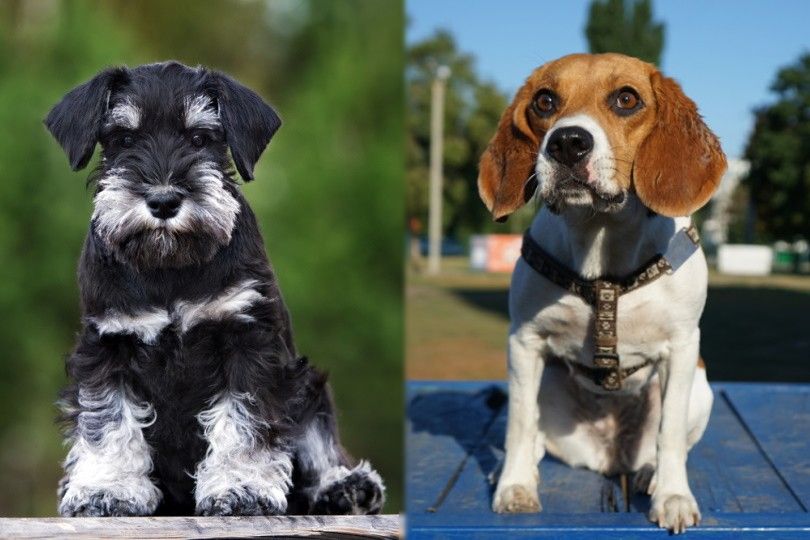
Whether you‘re a fan of the Beagle‘s floppy ears and soulful expression, or the Schnauzer‘s distinctive beard and alert demeanor, the Schneagle offers the best of both worlds. Their compact size makes them ideally suited for apartment living, while their lively nature ensures they‘ll be the life of the party in any home.
If you‘re considering adding a Schneagle to your life, read on to learn everything you need to know about these charismatic little charmers. From their history and physical characteristics to their grooming needs and health considerations, we‘ll cover all the bases to help you decide if a Schneagle is your perfect match.
The History of the Handsome Hybrid
As a relatively new mixed breed, the origins of the Schneagle are a bit of a mystery. However, it‘s likely that breeders began intentionally crossing Miniature Schnauzers and Beagles in the United States sometime in the last 20-30 years, as the popularity of designer dogs started to rise.
To understand the Schneagle, it helps to take a closer look at the parent breeds. The Miniature Schnauzer was developed in Germany in the late 19th century, bred down from the larger Standard Schnauzer to serve as a small farm dog and ratting companion. Schnauzers are known for their intelligence, alertness, and feisty terrier personalities.
Beagles, on the other hand, have a much longer history, with references to small pack-hunting hounds dating back to ancient Greece and Rome. The modern Beagle was refined in England, becoming one of the most popular breeds thanks to their amiable nature, musical howl, and stellar scenting abilities.
When you cross these two iconic breeds, you get a dog that‘s the perfect blend of terrier tenacity and hound dog happiness. Schneagles may have gotten their start as an accidental hybrid, but it‘s no accident that they‘ve captured the hearts of dog lovers everywhere.
Physical Characteristics: Small Dog, Big Presence
One of the first things you‘ll notice about the Schneagle is their small stature paired with a sturdy, athletic build. Most Schneagles stand between 12-15 inches tall at the shoulder and weigh 15-30 pounds when fully grown, with males typically being larger than females.
Their face is an enchanting mix of Beagle and Schnauzer features, often with the Beagle‘s soft, pleading expression and the Schnauzer‘s bushy beard and eyebrows. They have medium-length muzzles, dark eyes, and ears that may be floppy like a Beagle‘s or more upright like a Schnauzer‘s.
The Schneagle‘s coat is usually short to medium in length, dense, and wiry in texture. Some may have the longer furnishings on the legs and belly that are characteristic of the Schnauzer. Coat colors can vary widely, but common combinations include black, white, and tan, salt and pepper, or the tri-color patterns often seen in Beagles.
While their small size means they don‘t need a huge backyard, Schneagles are still quite active and athletic. Their Beagle DNA gives them a nose for adventure, while the Schnauzer side contributes to their sturdiness and agility. These dogs may be petite, but they have outsize personalities to match.
A Winning Personality: Playful, Clever, Affectionate
It‘s impossible not to fall in love with the Schneagle‘s happy-go-lucky, people-pleasing nature. These social butterflies thrive on human companionship and will want to be by your side for all of life‘s adventures, whether that‘s a neighborhood walk, a car ride, or a Netflix marathon on the couch.
Like their Beagle ancestors, Schneagles are curious canines who love to follow their noses, so expect to go on plenty of "sniffaris" together. Their inquisitive nature and love of food also means they can be expert counter surfers and garbage raiders when left to their own devices, so it‘s important to keep tempting items well out of reach.
The Schnauzer legacy blesses the Schneagle with ample intelligence and a delightfully goofy sense of humor. They are quick learners who respond well to positive reinforcement training methods and enjoy showing off their repertoire of tricks. Mental stimulation is a must to keep these smart cookies engaged and out of trouble.
While Schneagles may have an independent streak, they are deeply devoted to their families and can even trend toward being velcro dogs. They are excellent with children and make cheerful playmates, but it‘s still important to supervise interactions with little ones to prevent accidental injuries.
The Schneagles‘ amiable attitude extends to other dogs, and they love having canine siblings to romp with. Their prey drive may be triggered by smaller furry pets like cats or rabbits, but early socialization can help them learn to coexist peacefully. These even-tempered charmers are a friend to all they meet.
Caring for Your Schneagle: Exercise, Grooming, Health
Don‘t let the Schneagle‘s size fool you – these dynamos need plenty of physical and mental exercise to stay happy and healthy. A minimum of 30-60 minutes of activity per day is ideal, broken up into a couple walks, backyard play sessions, or trips to the dog park.
The Schneagle‘s Beagle heritage means they may be prone to following their nose, so always walk them on a leash and regularly practice recall training. Puzzle toys, hide-and-seek games, and scent work are great ways to put their keen sense of smell to work in a constructive way.
When it comes to grooming, Schneagles are relatively low-maintenance dogs. Their short, dense coat should be brushed a few times a week to remove loose fur and prevent matting, and they only need occasional baths as needed.
Like all floppy-eared breeds, it‘s important to check and clean your Schneagle‘s ears regularly to prevent infections. Keep their nails trimmed short, and don‘t forget to brush those teeth a few times a week to maintain a healthy smile.
As a mixed breed dog, Schneagles may be prone to some of the same health issues that affect their parent breeds. This can include hip dysplasia, patellar luxation, eye disorders like glaucoma or cherry eye, hypothyroidism, and intervertebral disc disease.
Responsible breeders will screen their stock for common genetic issues, so always do your research and choose a reputable source for your Schneagle puppy. With proper care, nutrition, and regular vet check-ups, these hardy little dogs often enjoy a lifespan of 12-15 years.
Fun Facts About the Spirited Schneagle
-
The Schneagle‘s parent breeds were both bred to work closely with humans. Miniature Schnauzers served multiple roles on German farms, ridding the property of rats and acting as alert watchdogs. Beagles have a rich history as pack hunting hounds, flushing out small game like rabbits and foxes to be caught by their human hunting companions. Today, Beagles still put their super snoots to work in airports and on farms, sniffing out contraband and pests.
-
Like their Beagle relatives, Schneagles can be quite vocal dogs who will bay, howl, and "talk" to express themselves. While not typically nuisance barkers, they may sound off if they spot a squirrel in the backyard or want to alert you that the pizza delivery person has arrived. This musical tendency is part of their charm, but apartment dwellers should be prepared to curb any excessive woofing.
-
The Schneagle‘s wiry coat is thanks to the Schnauzer‘s genetic influence. This type of coat doesn‘t shed heavily, which is a plus for allergy sufferers. However, that doesn‘t make them truly hypoallergenic, as all dogs produce some dander that can trigger symptoms. If you have allergies, spend time with a Schneagle before committing to see how you react.
-
Schneagles tend to be highly food motivated, a trait they inherit from both sides of the family tree. This can make training a breeze, but it also means they are skilled beggars who will work every angle for a bite of your sandwich. To keep your Schneagle svelte, measure their meals, limit treats, and make them work for their supper with puzzle feeders or interactive toys.
-
The Beagle and Miniature Schnauzer have both ranked in the top third of the American Kennel Club‘s most popular breeds for over a decade. It‘s no surprise that the combo of these two beloved dogs is a recipe for canine charisma. The Schneagle‘s star is on the rise as more people discover the joy of this happy little hound-terrier hybrid.
Find Your Forever Friend in a Schneagle
If you‘re looking for a pint-sized pal to join you on all of life‘s adventures, the Schneagle may be your perfect match. These clever, cuddly, comical dogs will keep you laughing and shower you with affection.
While they may be small in stature, Schneagles have big personalities and even bigger hearts. They are adaptable companions who will happily adjust their activity level to your lifestyle, whether that means long hikes on the weekends or lazy cuddle sessions on the couch.
As with any dog, it‘s important to do your research and find an ethical breeder or rescue organization when seeking a Schneagle. Look for a breeder who does genetic health testing, provides a written contract, and welcomes you to tour their facility and meet the parent dogs. Adopting an older Schneagle from a shelter or breed-specific rescue can also be a rewarding experience.
No matter which path you choose, get ready for your life to be filled with joy, laughter, and unconditional love when you welcome a Schneagle into your heart and home. These darling little dogs may be a mix of two different breeds, but they are 100% pure happiness in a pint-sized package.



:%20Info,%20Pictures,%20Care%20&%20More!)