The Indomitable Potcake: Tracing the Evolution of the Bahamas‘ Beloved Street Dogs
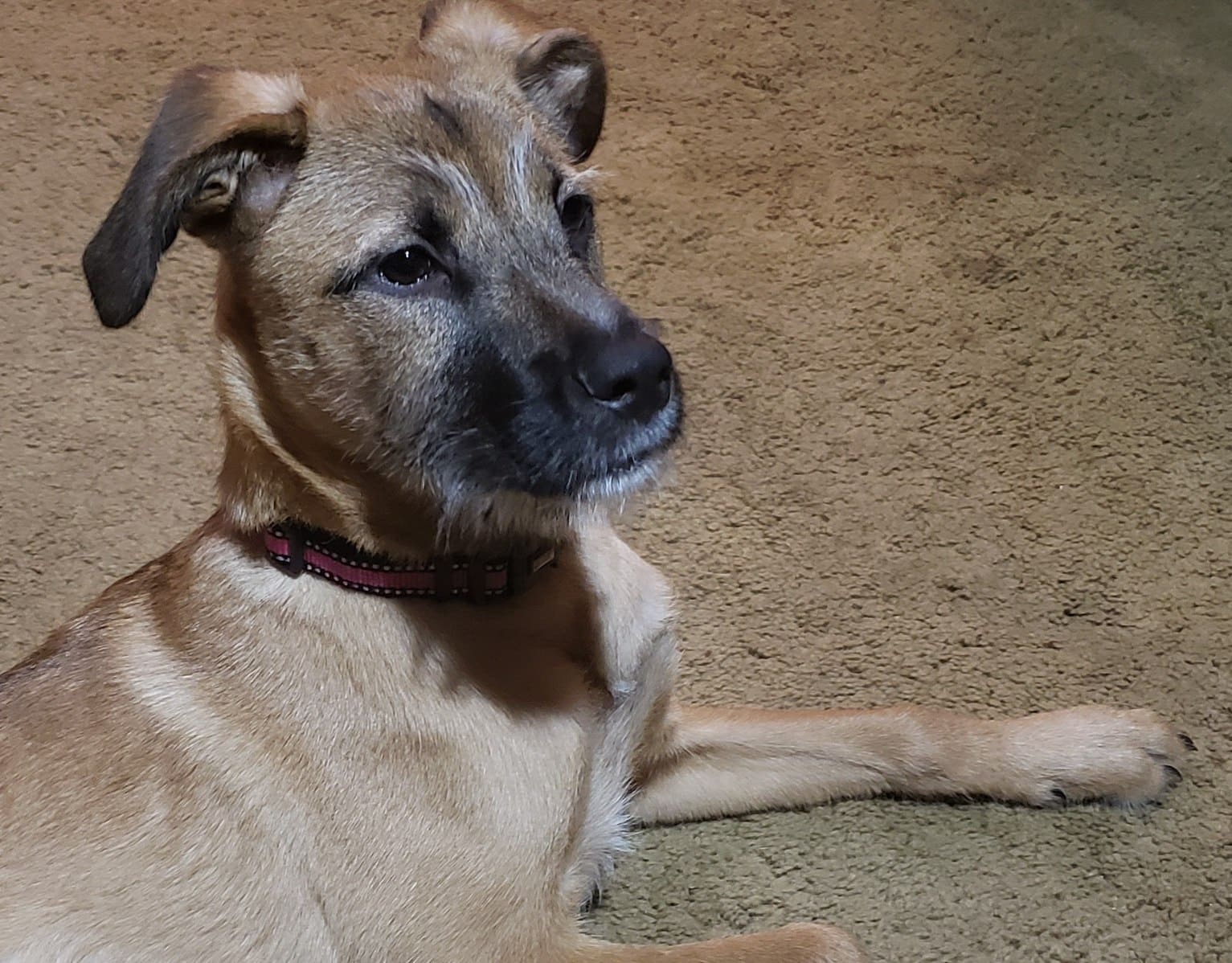
Across the sun-soaked islands of the Bahamas and Turks & Caicos, a unique canine population has emerged: the potcake dog. Named for the leftover rice and pea mixture that local residents traditionally fed strays, these resourceful mutts have carved out an enduring niche for themselves in Caribbean culture. But how did this hardy "breed" come to be? And what is it about potcakes that captures the hearts of so many who meet them?
A Potcake History
The story of potcake dogs is inextricably linked to the history of the Bahamas itself. As far back as the 16th century, Spanish and English colonists began bringing over their dogs to the islands – an assortment of terriers, hounds, mastiffs and shepherd types suited to ship life and tropical conditions. According to Dr. Jane Brunt, veterinarian and executive director of the CATalyst Council, "These colonial dogs were the foundation stock for what would eventually become the potcake as we know it today."
Over generations of island life, the imported pups interbred and cross-bred, passing on the traits that allowed them to thrive despite limited resources. Dr. Benjamin Hart, distinguished professor emeritus at the UC Davis School of Veterinary Medicine, explains: "In this type of environment, natural selection favors dogs with certain physical attributes like a smooth short coat to handle the heat, as well as key behavioral characteristics such as high intelligence, adaptability, and a friendly demeanor to encourage positive interactions with humans."
The exact genetic recipe for a potcake varies across the Caribbean since the founding dog breeds differed by island. In the Bahamas, for instance, potcakes also descend from the now-rare Carolina dog, brought over by American Loyalists who fled there during the Revolutionary War. But over time, the ultimate island survival dog emerged: the potcake.
Life as a Bahamian Street Dog
To understand the potcake, you must understand the realities of life as a street dog in the Bahamas. The Bahamian government estimates there are approximately 11,000 stray potcakes roaming New Providence, the most populous island, alone. Thousands more eke out an existence on the nation‘s other islands, from bustling tourist centers to sleepy fishing villages.
For these so-called "community dogs," each day is an exercise in tenacity and smarts. Many rely on the kindness of locals who provide food, water and makeshift shelter where they can. Others hang around popular open-air restaurants or picturesque beaches, using their charm to cajole treats from well-meaning tourists. The unlucky ones scavenge through garbage bins to quell their hunger.
Without access to routine veterinary care, potcakes face numerous threats to their health and well-being. Internal and external parasites are rampant, as are infectious diseases like heartworm, ehrlichia and parvo. Malnutrition, lameness from untreated injuries, and skin conditions are other common ailments. Unsterilized dogs breed unchecked, leading to more puppies born into a cycle of hardship.
Despite the challenges, potcakes as a population have developed incredible resilience. Bahamian veterinarian Dr. Owen Hanna has treated hundreds of potcakes over his career. "I‘m continually amazed by their ability to bounce back from illness and injury," he shares. "They have a strong will to live that seems to be hardwired into them as a type of dog. The ones that make it to adulthood tend to be very savvy, resourceful animals."
The ‘Potcake Personality‘
Talk to anyone familiar with potcakes and you‘ll quickly pick up on a few breed stereotypes, which hold true whether the dog is a stray or a cherished pet. "Potcakes are often described as having a ‘go with the flow‘ attitude," notes Shelley Alva, a professional dog trainer based in the Bahamas. "They tend to be fairly low-key and adaptable dogs, content to match their people‘s lifestyle and energy level."
Natural people-pleasers, potcakes are known for their friendly, outgoing nature and eagerness to interact with humans of all ages. This sociability serves them well as street dogs, when a wagging tail can mean the difference between a handout and an empty stomach. But it also makes them readily trainable and suited to family life.
Despite their laid-back reputation, potcakes have a keen intelligence, honed by generations of street smarts. They frequently exceed expectations in obedience classes and agility training, according to Bahamian dog trainer Suzanne Moxey. "I‘m always impressed by how quickly potcakes pick up new commands and ideas," she observes. "They‘re very tuned in to their people and naturally attentive."
Another hallmark of the potcake personality is adaptability. Case in point: potcakes adopted out to forever homes in colder climates adjust remarkably well to their new environments. "We‘ve placed former island dogs everywhere from rural Canada to New York City apartments," shares Jane Parker-Rauw, founder of the potcake rescue group The Potcake Place. "Time and again adopters tell us how amazed they are by how their dog transitions from beach bum to snow bunny without missing a beat."
Health Matters
Given their origin as mixed-breed street dogs, one might assume potcakes have more than their fair share of health issues. But the opposite appears to be true. Studies suggest that mutts like potcakes, shaped by generations of natural selection, tend to have more robust constitutions than their purebred counterparts.
In a landmark 2018 study out of the University of California, Davis, researchers analyzed the veterinary records of over 90,000 dogs, comparing purebreds to mixed-breeds across 24 common genetic disorders. The results? For the majority of disorders examined, mixed-breed dogs had significantly lower rates of incidence.
Lead study author Dr. Thomas LaVoy offered this interpretation of the findings to NBC News: "Mixed-breed dogs are what we call ‘hybrid vigor,‘ which means they have a more diverse set of genes, so they tend to be a bit hardier and less prone to genetic disease conditions."
Of course, adult potcakes adopted as strays may arrive with pre-existing issues related to their life on the streets. "When we first take in a potcake, we typically see a lot of flea allergy dermatitis, ehrlichia, worms – things related to lack of preventative care," notes Dr. Hanna. "But once we resolve those problems, most potcakes prove to be incredibly healthy, sturdy dogs."
Anecdotally, potcake owners report their dogs living well into their teens with few major health concerns along the way. While more breed-specific research is needed, it seems the potcake‘s function-over-form evolution has served them well.
From Island Stray to International Sensation
Traditionally, attitudes toward potcakes within the Bahamas ranged from pity to annoyance to indifference. Viewed as a nuisance by some and a public health risk by others, there were few coordinated efforts to manage the stray dog population humanely. Mass roundups and euthanasia were once the government‘s primary control strategy.
But in the last 20 years, international animal welfare groups have partnered with Bahamian organizations to change the narrative around potcakes. Together, they‘ve launched spay/neuter and vaccination initiatives, educational campaigns in schools, and programs to place potcakes up for adoption both locally and abroad.
The Royal Bahamas Potcake Rescue (RBPR) is one of the most well-established groups working on the islands. Founded in 2004, RBPR has rescued, rehabilitated and rehomed over 2,000 potcakes to date. Anna Sjostrom, president of RBPR, has watched perceptions of potcakes evolve firsthand.
"There‘s definitely been a shift, particularly among younger Bahamians, in how potcakes are viewed," she observes. "More people are realizing what special, resilient dogs they are and either adopting them themselves or supporting rescue efforts. Potcakes have become a real source of national pride."
That pride is perhaps best exemplified by the story of Amigo, a potcake who rose from humble beginnings to national fame. Born in a derelict car on the island of Providenciales, Amigo was rescued as a sickly pup by visiting tourists. After nursing him back to health, the couple adopted Amigo and brought him home to Dallas, Texas.
Amigo‘s new owner, Texan entrepreneur Bert Pina, started documenting the dog‘s adventures on Instagram, quickly amassing a following in the tens of thousands. Cheri Leavy, editor of Southern Dog Magazine, even named Amigo "the most famous Potcake in the world." His social media popularity helped raise awareness about the plight of Caribbean stray dogs, with Pina using the platform to promote potcake rescue and adoption.
Perhaps the greatest testament to the potcake‘s growing acclaim is the number of international adopters eager to give these island mutts a chance. "When we first started flying potcakes to the U.S. for adoption in the early 2000s, most people had never heard of the breed," recalls Parker-Rauw of The Potcake Place. "Now, we have a waiting list of hundreds of pre-approved adopters all over North America and Europe. The potcake has become a highly sought-after dog."
Passion for Potcakes
So what is it about potcakes that inspires such devotion in their fans? For many, it‘s a combination of the breed‘s personality, adaptability, and incredible back story. Shelley Kimbrell, a potcake owner in Virginia, puts it this way: "When you adopt a potcake, you‘re not just getting a wonderful companion. You‘re giving a second chance to a dog that has overcome so much. They have such a zest for life, such resiliency and appreciation for every moment. It‘s impossible not to be inspired by them."
Other potcake enthusiasts are drawn to the breed‘s unique looks. While they have a general "type," no two potcakes are exactly alike. "I love that potcakes come in all shapes, sizes and colors," shares owner Liz Egan. "From sleek and long-legged to short and stocky, black to white to every shade in between. Each dog is a one-of-a-kind expression of the breed."
Bahamian locals, too, have come to embrace the potcake as a cultural icon. "Potcakes are a reflection of the Bahamian people themselves," muses Alannah Johnson, a Nassau resident. "They‘re survivors, first and foremost. They make the most of what they have. And at their core, they‘re friendly, welcoming, and resilient. In a lot of ways, potcakes represent the best of who we are as a nation."
The Future of an Island Dog
As spay/neuter efforts and adoption initiatives gain momentum, there‘s hope the potcake population will continue to decline to more manageable levels. But the potcake legacy, and the efforts of those determined to help this unique dog, are sure to endure.
For Sjostrom of RBPR, the fight to improve potcakes‘ lives is far from over. "We‘ve made so much progress, but there‘s still work to be done," she acknowledges. "My dream is a Bahamas where no potcake is born into suffering, where every dog has a loving home. Until then, we‘ll keep advocating for these incredible animals one rescued potcake at a time."
Back in Dallas, Amigo the potcake lounges in a patch of sunlight on his family‘s patio, a long way from the abandoned car he once called home. As if sensing his role as a canine ambassador, Amigo rolls over for a belly rub, his now-signature grin on full display. It‘s easy to imagine him as the stray pup that first touched his rescuers‘ hearts.
For this lucky dog and so many potcakes like him, a chance at a new life means the world. In turn, these island mutts bring to their adoptive homes a truly unique spirit: the indomitable essence of a potcake, a dog defined by tenacity, wit, charm and endless love. And that is a gift beyond measure.