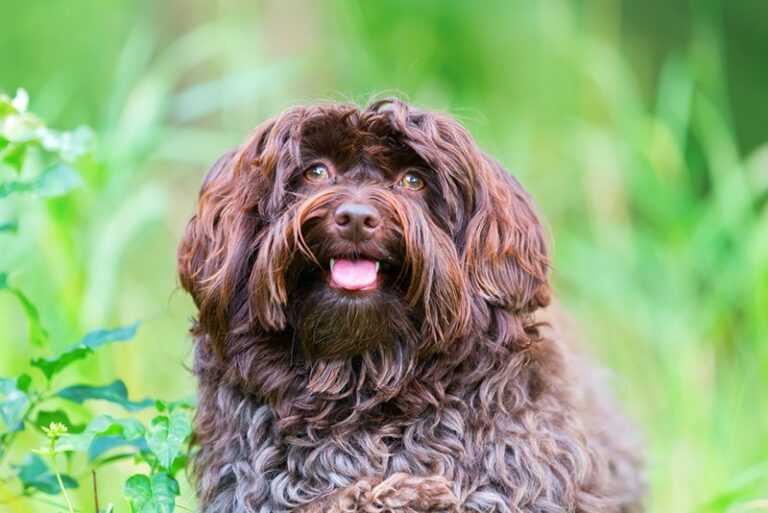
Staffordshire Bull Terriers: The Ultimate Guide for Dog Lovers

Introduction
Staffordshire Bull Terriers, affectionately known as Staffies, have captured the hearts of dog lovers worldwide with their endearing personalities, unwavering loyalty, and charming smiles. These medium-sized, muscular dogs have a rich history and a reputation for being gentle, affectionate companions. In this comprehensive guide, we‘ll delve into the fascinating world of Staffies, exploring their origin, characteristics, care requirements, and much more.
A Breed Steeped in History
The Staffordshire Bull Terrier‘s journey began in 19th century England, where breeders aimed to create the ultimate fighting dog by crossing Bulldogs with various terrier breeds. The result was a powerful, agile, and courageous canine that excelled in the cruel sports of bull baiting and pit fighting.
However, the breed‘s story took a positive turn in 1835 when these blood sports were banned. Breeders began focusing on developing the Staffie‘s gentle, affectionate nature, transforming them into beloved family pets. Key figures like Joe Mallen and Jim the Dandy played crucial roles in shaping the breed we know today.
The Kennel Club of England officially recognized the Staffordshire Bull Terrier in 1935, followed by the American Kennel Club in 1974. Today, Staffies rank as the 80th most popular breed in the United States, according to the AKC‘s 2023 registration statistics.
Physical Characteristics and Breed Standards
Staffies are compact, muscular dogs with a unique appearance. They have short, smooth coats that come in a variety of colors, including brindle, black, white, blue, and red. Their broad, square heads, deep chests, and powerful jaws are hallmarks of the breed.
According to the AKC breed standard, male Staffies should stand 14 to 16 inches tall at the shoulder and weigh 28 to 38 pounds, while females should be 14 to 16 inches tall and weigh 24 to 34 pounds. Their ears may be cropped or uncropped, and their tails are usually left natural.
Temperament and Trainability
Staffordshire Bull Terriers are known for their loving, affectionate nature and strong bond with their families. They are particularly good with children, earning them the nickname "nanny dogs." Staffies are intelligent and eager to please, making them highly trainable.
However, their strength and tenacity can make them a handful for inexperienced owners. Consistent, positive training is essential from an early age. Staffies can excel in obedience, agility, and even therapy work with proper guidance.
Early socialization is crucial for Staffies, as they can be wary of strangers and have a high prey drive. Exposing them to various people, animals, and environments as puppies can help them grow into well-adjusted adults.
Exercise and Activity Requirements
As muscular, energetic dogs, Staffies require plenty of exercises to stay physically and mentally healthy. A minimum of one hour of daily activity, split into multiple sessions, is recommended. This can include walks, runs, playtime, and training.
Staffies also enjoy participating in dog sports like weight pulling, flyball, and agility. These activities not only provide physical exercise but also offer mental stimulation and help strengthen the bond between dog and owner.
Nutrition and Feeding
Feeding your Staffordshire Bull Terrier a high-quality, age-appropriate diet is essential for their health and well-being. Look for dog foods that list a high-quality protein source (e.g., chicken, beef, lamb) as the first ingredient and avoid those with fillers, by-products, or artificial additives.
The amount of food your Staffie needs depends on their age, size, and activity level. As a general guideline, adult Staffies typically require 1 to 1.5 cups of dry food per day, divided into two meals. Puppies and senior dogs may have different nutritional needs, so consult with your veterinarian for personalized recommendations.
Avoid overfeeding your Staffie, as obesity can lead to numerous health issues. Provide plenty of fresh, clean water, and limit treats to no more than 10% of their daily caloric intake.
Grooming and Hygiene
Staffordshire Bull Terriers are relatively low-maintenance when it comes to grooming. Their short, smooth coats require weekly brushing with a soft-bristled brush or rubber grooming mitt to remove loose fur and maintain a healthy shine.
Staffies should be bathed every 4 to 6 weeks, or as needed, using a gentle, dog-specific shampoo. Their ears should be checked weekly and cleaned with a veterinarian-approved solution to prevent infections. Teeth brushing should be done daily or at least 2-3 times a week with dog-friendly toothpaste.
Nail trimming is another essential aspect of Staffie grooming. If you hear their nails clicking on the floor, it‘s time for a trim. If you‘re uncomfortable doing this yourself, consider taking your dog to a professional groomer or veterinarian.
Health Concerns and Lifespan
Like all breeds, Staffordshire Bull Terriers are prone to certain health issues. Some of the most common concerns include hip dysplasia, elbow dysplasia, patellar luxation, and eye disorders such as cataracts and progressive retinal atrophy.
According to a study by the Kennel Club of the United Kingdom, the median lifespan of Staffordshire Bull Terriers is 12 years, with some living up to 14 years or more. Regular veterinary check-ups, a balanced diet, and appropriate exercise can help ensure your Staffie lives a long, healthy life.
Responsible breeders screen their breeding stock for genetic health conditions to minimize the risk of passing them on to puppies. When searching for a Staffie puppy, choose a reputable breeder who can provide health clearances for the parents.
Global Popularity and Breed Variations
Staffordshire Bull Terriers enjoy popularity not only in the United States but also in many other countries around the world. In the United Kingdom, Staffies consistently rank among the top 10 most popular breeds according to Kennel Club registration statistics.
While the breed standard remains largely consistent across countries, there are some slight variations in type. In Australia, for example, Staffies tend to be larger and heavier than their American and British counterparts.
Staffies in Service and Heroism
Staffordshire Bull Terriers have a long history of serving as loyal companions and protectors. Their courage, intelligence, and trainability make them well-suited for various roles, including therapy work, search and rescue, and military service.
One famous example is Sergeant Stubby, a Staffordshire Bull Terrier mix who served alongside American troops during World War I. Stubby warned soldiers of incoming attacks, located wounded men on the battlefield, and even captured a German spy. He became the most decorated war dog of WWI and is remembered as a symbol of bravery and loyalty.
Addressing Misconceptions and Breed-Specific Legislation
Despite their gentle nature and loving temperament, Staffordshire Bull Terriers have been the subject of breed-specific legislation (BSL) in some areas due to their historical association with dog fighting and their physical resemblance to other "bully breeds."
However, numerous studies have shown that breed is not a reliable predictor of aggression and that factors such as socialization, training, and individual temperament are far more influential. Organizations like the American Kennel Club and the Staffordshire Bull Terrier Club of America work to educate the public about the breed and advocate against discriminatory legislation.
Comparison to Similar Breeds
Staffordshire Bull Terriers are often confused with other similar breeds, such as the American Staffordshire Terrier and the American Pit Bull Terrier. While these breeds share some common ancestry, they have distinct histories and breed standards.
Staffies are generally smaller and more compact than American Staffordshire Terriers, with a more pronounced stop and shorter muzzle. American Pit Bull Terriers, on the other hand, are not a recognized breed by the AKC and can vary more in size and appearance.
Living with a Staffordshire Bull Terrier
Staffordshire Bull Terriers can adapt well to various living situations, including apartments and houses, as long as they receive adequate exercise and attention. They are relatively tolerant of hot and cold weather but should be protected from extreme temperatures.
Staffies are known for their love of human companionship and can suffer from separation anxiety if left alone for long periods. They thrive in homes where they can be an integral part of the family and participate in daily activities.
Financial Considerations
Owning a Staffordshire Bull Terrier involves various financial responsibilities. The initial cost of a Staffie puppy can range from $800 to $2,000, depending on the breeder and location. Additionally, ongoing expenses such as food, veterinary care, grooming, and training should be considered.
According to a survey by the American Pet Products Association, dog owners in the United States spend an average of $1,480 per year on their pets, with food and veterinary care being the largest expenses. Planning for these costs is essential to provide your Staffie with a high quality of life.
Senior Staffie Care
As Staffordshire Bull Terriers age, their care requirements may change. Senior Staffies may experience decreased mobility, vision or hearing loss, and cognitive decline. Adapting their diet, exercise routine, and living environment can help them maintain a good quality of life in their golden years.
Regular veterinary check-ups become increasingly important for senior Staffies to monitor their health and catch any age-related issues early. Providing a comfortable, supportive bed, using ramps or stairs for easier access, and engaging them in gentle, low-impact activities can help keep them happy and healthy.
Finding a Staffordshire Bull Terrier
If you‘re considering adding a Staffordshire Bull Terrier to your family, there are several options available. Purchasing a puppy from a reputable breeder is one path, but adopting from a rescue organization or shelter is also a rewarding choice.
Many Staffie-specific rescue organizations across the country dedicate themselves to finding loving homes for these dogs. The Staffordshire Bull Terrier Club of America maintains a list of recognized rescue groups on their website.
When adopting a Staffie, be prepared to undergo a thorough application process, including home visits and references. This ensures that the dog is placed in a suitable, forever home.
Conclusion
Staffordshire Bull Terriers are truly remarkable dogs with a fascinating history, endearing personalities, and unwavering loyalty. Their affectionate nature, intelligence, and adaptability make them wonderful companions for active, dedicated owners.
By providing proper training, socialization, exercise, and care, you can help your Staffie live a long, happy, and healthy life. Whether you choose to purchase a puppy from a breeder or adopt from a rescue, a Staffordshire Bull Terrier will undoubtedly bring joy, laughter, and love to your home.
As Jane Leggett, a long-time Staffie owner and breeder, once said, "Staffords are like potato chips. You can‘t have just one." Once you experience the unconditional love and devotion of a Staffordshire Bull Terrier, you may find yourself agreeing with this sentiment wholeheartedly.