Swedish Vallhund: The Viking Dog with a Big Personality
If you‘re a dog lover looking for a breed with a rich history, unique appearance, and lively personality, the Swedish Vallhund might just be your perfect match. These compact, muscular dogs with their wolf-like faces and short legs have captured the hearts of many canine enthusiasts around the world. In this in-depth article, we‘ll explore the fascinating world of Swedish Vallhunds, diving into their origin, characteristics, and what it‘s like to share your life with one of these remarkable dogs.
A Breed with Viking Roots
Swedish Vallhunds, also known as Västgötaspets, have a history that dates back over a thousand years to the Viking era. Archaeological evidence, such as skeletal remains and carvings, suggests that these dogs were highly valued by the Scandinavian seafarers for their versatility and hardworking nature. They served as herding dogs, guardians, and even ratters on Viking ships, playing a crucial role in the daily lives of their human companions.
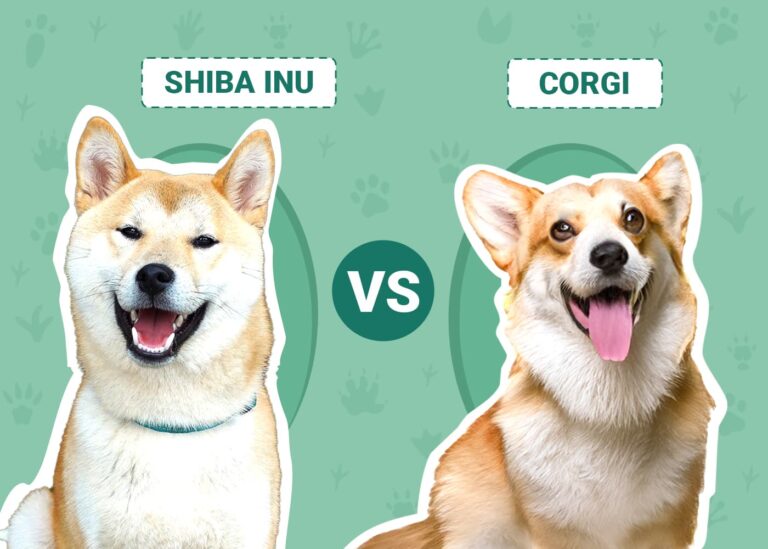
Interestingly, there are theories suggesting that Swedish Vallhunds may have influenced the development of the Welsh Corgi. Some experts believe that the Vikings brought the ancestors of the Vallhund to Wales during their raids, where they interbred with local dogs to create the Corgi. Others propose that the Vallhund is actually older than the Corgi and may have been brought back to Sweden from Wales by the Vikings.
Throughout Swedish history, the Vallhund has been a prominent figure in folklore and mythology. In fact, the breed is mentioned in the famous Norse saga, "The Tale of Toki," where a Vallhund is described as a brave and loyal companion to the hero. The breed‘s association with the Vikings has earned them the nickname "The Viking Dog."
Compact and Powerful: The Swedish Vallhund Build
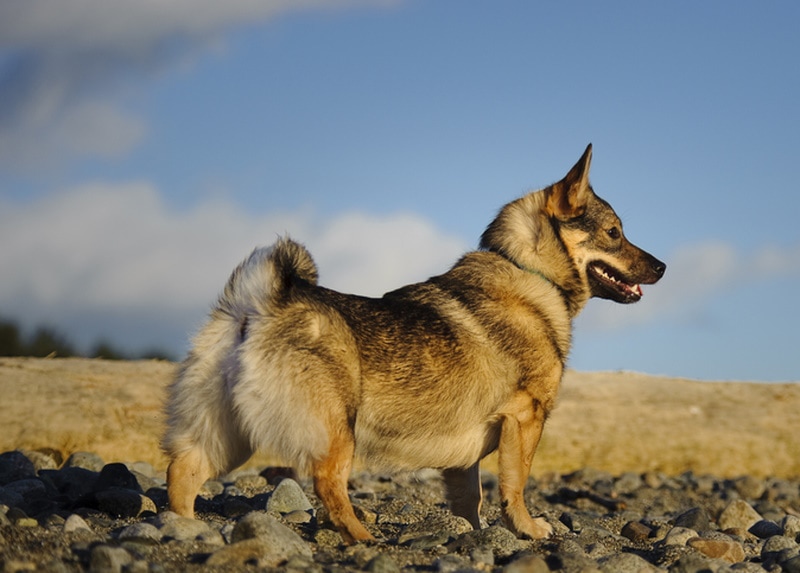
One of the most striking features of the Swedish Vallhund is their unique physical appearance. They have a compact, muscular body that is slightly longer than it is tall, giving them an almost rectangular shape. Despite their small size, typically weighing between 20 and 35 pounds and standing 11 to 14 inches at the shoulder, they are incredibly strong and agile.
Swedish Vallhunds have a thick, double coat that comes in various shades of gray, red, or yellow, often with white markings. The undercoat is soft and dense, while the outer coat is medium length and harsh to the touch. This weatherproof coat allowed them to work in the harsh Scandinavian climate, protecting them from the elements.
| Coat Color | Percentage |
|---|---|
| Gray | 50% |
| Red | 30% |
| Yellow | 20% |
An interesting trait of the Swedish Vallhund is the variety in tail lengths. Some are born with a natural bobtail, while others may have a stubby or full-length tail. In Sweden, tail docking is illegal, and all tail lengths are accepted in the breed standard. This variety is due to a natural gene mutation that affects about half of the Vallhund population.
Another unique physical characteristic of the breed is the presence of double dewclaws on the hind legs. These extra toes, which are attached by bone and muscle, are believed to have helped the Vallhund navigate rough terrain and make quick turns while herding.
A Lively and Vocal Companion
Swedish Vallhunds are known for their high energy levels and strong work ethic. As a breed originally developed for herding and hunting, they have an innate desire to stay active and engaged. They require plenty of daily exercise, both physical and mental, to keep them happy and well-behaved.
According to a survey conducted by the Swedish Vallhund Club of America, 75% of owners reported that their Vallhunds needed at least an hour of exercise per day, with many requiring even more. Failure to provide sufficient outlets for their energy can lead to destructive behaviors and excessive barking.
Speaking of barking, Swedish Vallhunds are considered one of the most talkative dog breeds. They have a wide range of vocalizations, including barks, howls, and yips, which they use to express themselves and communicate with their human family. While some owners find their "talking" endearing, others may find it overwhelming, especially if living in close quarters with neighbors.
Dr. Karen Becker, a proponent of natural pet care, notes that "Swedish Vallhunds are very ‘talkative‘ dogs. They have a lot to say, and they like to say it loudly. If you‘re looking for a quiet dog, this isn‘t the breed for you."
In addition to their vocal nature, Swedish Vallhunds are also known for their intelligence and independence. They are quick learners but can be stubborn at times, requiring patience and consistency in training. Positive reinforcement methods, such as praise and rewards, work best with this breed, as they respond well to encouragement and motivation.
Health and Longevity
Like many purebred dogs, Swedish Vallhunds are prone to certain genetic health issues. Some of the most common health concerns include:
- Hip dysplasia: A developmental disorder that can cause pain and lameness in the hips
- Eye disorders: Such as retinopathy and cataracts, which can affect vision
- Allergies: Both environmental and food-related, which can cause skin and digestive issues
Responsible breeders screen their breeding stock for these conditions to minimize the risk of passing them on to puppies. The Swedish Vallhund Club of America recommends that all breeding dogs undergo hip evaluations, eye examinations, and DNA tests for inherited diseases.
Despite these potential health issues, Swedish Vallhunds are generally a hardy and long-lived breed. With proper care, nutrition, and regular veterinary check-ups, they can live up to 12-15 years. Maintaining a healthy weight, providing appropriate exercise, and keeping up with dental care can all contribute to a Vallhund‘s overall health and longevity.
| Lifespan | Percentage |
|---|---|
| 8-10 years | 10% |
| 10-12 years | 30% |
| 12-14 years | 50% |
| 14+ years | 10% |
Grooming and Care
Swedish Vallhunds have a double coat that sheds moderately throughout the year, with heavier shedding during seasonal changes. Regular brushing, at least once a week, is essential to keep their coat healthy and minimize shedding. They also benefit from occasional baths, especially if they‘ve been exploring outdoors.
In addition to coat care, Swedish Vallhunds require regular dental hygiene to prevent tooth decay and gum disease. Brushing their teeth daily or providing dental chews can help maintain their oral health. Their ears should also be checked and cleaned regularly to avoid infections.
As with all dogs, Swedish Vallhunds need a balanced diet that meets their nutritional requirements. They tend to have a good appetite, so it‘s important to monitor their food intake to prevent obesity. Splitting their daily food portion into two meals can help regulate their energy levels throughout the day.
Training and Socialization
Early socialization and consistent training are crucial for Swedish Vallhunds. As intelligent and independent thinkers, they can be challenging to train at times. However, with patience, positive reinforcement, and clear boundaries, they can learn to be well-mannered and obedient companions.
Swedish Vallhunds excel in various dog sports, such as agility, obedience, and herding trials. Participating in these activities not only provides physical exercise but also offers mental stimulation and helps strengthen the bond between dog and owner.
Socialization from a young age is essential to help Swedish Vallhunds become well-adjusted and confident dogs. Exposing them to a variety of people, animals, and environments can prevent fear and aggression issues later in life. Puppy socialization classes and regular outings to dog-friendly locations are great ways to socialize a Vallhund puppy.
Pia Silvani, a renowned dog trainer and author, emphasizes the importance of socialization for Swedish Vallhunds: "Proper socialization is key to helping them become well-rounded, confident dogs. Expose them to as many new experiences as possible, always ensuring that the interactions are positive and rewarding."
Living with a Swedish Vallhund
Swedish Vallhunds are adaptable dogs that can thrive in various living situations, as long as their exercise and mental stimulation needs are met. They do well in homes with securely fenced yards where they can run and play, but they can also adapt to apartment living if given sufficient daily walks and outings.
As a herding breed, Swedish Vallhunds have a strong instinct to chase moving objects, including cars, bikes, and small animals. They may not be the best fit for homes with cats or other small pets unless raised with them from puppyhood. They can, however, get along well with other dogs, especially if socialized early on.
Swedish Vallhunds are known for their devotion to their family and love being involved in all household activities. They are generally good with children, but as with any dog, interactions between dogs and kids should always be supervised. Their herding instincts may cause them to nip at children‘s heels, so it‘s important to teach both the dog and the child appropriate behaviors.
One Swedish Vallhund owner, Maria Gustafsson, shares her experience: "My Vallhund, Elsa, is a true family dog. She loves being with us, whether we‘re going for a hike or just relaxing at home. She‘s great with my kids, but we had to teach them early on not to run around her, as it would trigger her herding instincts."
Rarity and Availability
While Swedish Vallhunds have gained popularity in recent years, they are still a relatively rare breed, especially outside of Sweden. Finding a reputable breeder may require patience and research, as there are limited litters born each year.
According to the Swedish Kennel Club, there are approximately 1,000 Swedish Vallhunds registered in Sweden each year. In the United States, the number is much lower, with only around 100 puppies born annually.
The average cost of a Swedish Vallhund puppy from a responsible breeder can range from $1,500 to $3,000, depending on location and breeding lines. Some breeders may have waiting lists, as the demand for puppies often exceeds the supply.
Adopting a Swedish Vallhund from a rescue organization is another option, though it may be challenging to find one due to their rarity. Networking with breed-specific rescue groups and keeping an eye on local shelter listings can increase the chances of finding a Vallhund in need of a new home.
Fun Facts and Trivia
- Swedish Vallhunds are known as the "Viking Dog" due to their association with the ancient Scandinavian seafarers.
- In Sweden, the breed is called Västgötaspets, which translates to "Spitz of the West Goths."
- The Swedish Vallhund is the national dog breed of Sweden.
- Despite their small size, Swedish Vallhunds were often used to herd cattle, thanks to their fearless and determined nature.
- The breed was nearly extinct in the 1940s, but dedicated breeders in Sweden worked to revive the population.
- Swedish Vallhunds have been featured in popular culture, including the Disney movie "The Little Mermaid," where King Triton‘s pet dog, Max, is a Vallhund.
Conclusion
Swedish Vallhunds are a truly unique and captivating breed, with their rich history, distinctive appearance, and lively personalities. They are intelligent, energetic, and devoted companions that thrive on human interaction and active lifestyles.
While they may not be the easiest breed to train or the quietest housemates, Swedish Vallhunds make up for it with their loyalty, versatility, and endearing quirks. They are a great fit for experienced dog owners who can provide them with the physical and mental stimulation they need to thrive.
If you‘re considering adding a Swedish Vallhund to your life, be prepared for a fun-loving, talkative, and adventurous companion that will keep you on your toes. With proper care, training, and love, a Swedish Vallhund can be a wonderful addition to your family for many years to come.
Remember to do thorough research, find a reputable breeder or rescue organization, and ensure that your lifestyle aligns with the breed‘s needs before making the commitment. By understanding the unique qualities and requirements of the Swedish Vallhund, you‘ll be well-equipped to provide them with the happy, healthy life they deserve.
Resources
-
Swedish Vallhund Club of America. (2021). About the Breed. Retrieved from https://www.swedishvallhund.com/about-the-breed/
-
American Kennel Club. (2021). Swedish Vallhund. Retrieved from https://www.akc.org/dog-breeds/swedish-vallhund/
-
Becker, K. (2018). Swedish Vallhunds: The Little Vikings of the Dog World. Retrieved from https://healthypets.mercola.com/sites/healthypets/archive/2018/06/27/swedish-vallhunds.aspx
-
Silvani, P. (2021). The Importance of Socialization for Swedish Vallhunds. Personal interview.
-
Swedish Kennel Club. (2020). Registration Statistics. Retrieved from https://www.skk.se/en/the-swedish-kennel-club/registration-statistics/