The 10 Best Service Dog Breeds: A Comprehensive Guide
For those living with disabilities, a service dog can be a true lifeline. These remarkable animals are individually trained to perform specific tasks that mitigate the effects of their handler‘s disability, granting increased independence and an improved quality of life. While dogs of any breed can theoretically work as service animals, certain breeds have traits that make them ideally suited to the job. In this comprehensive guide, we‘ll dive into the best service dog breeds, exploring what makes them such amazing partners.
What Makes a Good Service Dog?
Before we explore specific breeds, let‘s take a look at some of the key characteristics shared by the most successful service dogs:
-
Intelligence: Service dogs must be smart enough to learn and carry out complex commands. Breeds known for their intelligence typically take to training more readily.
-
Trainability: A strong work drive and eager-to-please attitude are vital for service dogs, who must learn a multitude of specialized tasks. Breeds with a reputation for trainability often excel in service roles.
-
Temperament: Service dogs must maintain focus and composure even in busy, high-stress environments. An even temperament is crucial – overly anxious or aggressive dogs are not suitable for service work.
-
Physical traits: A service dog‘s size and strength may be factors depending on the specific tasks they‘ll be performing. Larger, sturdier breeds are often necessary for mobility-related work, while smaller breeds may be a better fit for other roles like hearing alert or psychiatric service.
Top 10 Service Dog Breeds
Now that we‘ve covered the makings of a great service dog, let‘s meet some of the breeds most commonly chosen for this vital work.
1. Labrador Retriever
It‘s no wonder that the friendly, intelligent Labrador Retriever consistently tops the list of most popular service dog breeds. In fact, according to the International Guide Dog Federation, Labradors represent over 70% of the dogs working as guide dogs in the U.S.
Labs are known for their keen intelligence and eagerness to please, making them highly trainable. Their versatile, athletic build suits them for a wide variety of service tasks, from providing stability for handlers with balance impairments, to opening doors and retrieving dropped items. And of course, that famously friendly Lab personality offers an extra dose of emotional support.
2. Golden Retriever
The Golden Retriever‘s gentle, intuitive nature makes it another top pick for service work. Like Labs, Goldens rank high in intelligence and trainability. While they do have a playful side, they also possess the ability to be calm and focused when working.
Golden Retrievers‘ medium-to-large size equips them well for mobility-related tasks and providing physical support. Their soft, warm presence can also be profoundly comforting for handlers dealing with conditions like PTSD or anxiety disorders. In a survey of assistance dog providers, Golden Retrievers were one of the most commonly used breeds for psychiatric service work.
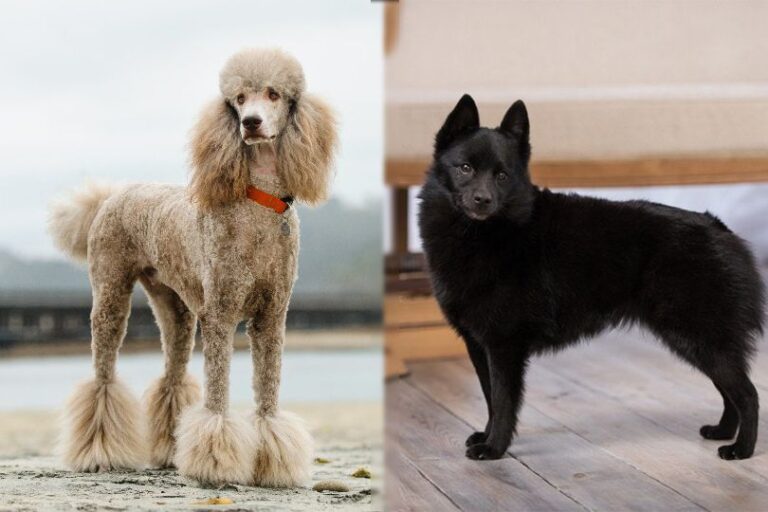
3. Standard Poodle
Poodles may have a reputation for being frou-frou, but don‘t be fooled – the Standard Poodle is as intelligent and capable as it is elegant. Poodles consistently rank among the smartest and most trainable of breeds, learning even the most complex service dog tasks with ease.
For handlers with allergies, the Poodle‘s low-shedding, hypoallergenic coat is a major selling point. Poodles can adeptly perform a variety of service roles, from mobility assistance to hearing alert to seizure response. Though they have a slightly more reserved personality than Labs or Goldens, Poodles bond deeply with their handlers and work with great focus and dedication.
4. German Shepherd
The courageous, faithful German Shepherd has a long history of service, excelling in roles like police work, search-and-rescue, and military operations. These same traits – bravery, devotion, intelligence, strong work ethic – also make them well-suited for service dog duties.
German Shepherds are known for their calm, focused demeanor and ability to handle high-stress situations. Their sturdy build and strength are well-matched for mobility-related tasks and providing physical support. As the first guide dog ever was a German Shepherd, this breed also has a proven track record in that role.
5. Boxer
The bright, lively Boxer can be a surprise standout in service dog work. These muscular, agile dogs are known for their intelligence and desire to have a job to do. With proper training, Boxers take on new tasks with confidence and enthusiasm.
Boxers‘ strength and agility make them a great fit for mobility assistance and other physical tasks. Their alert nature also suits them well for roles like hearing alert and seizure response. While Boxers do tend to be more excitable than some other breeds on this list, they are deeply devoted to their handlers and eager to please.
6. Great Dane
Standing up to 32 inches tall at the shoulder, the Great Dane offers unparalleled size and strength for individuals who need a larger service dog for stability, bracing, or mobility assistance. But despite their imposing stature, these gentle giants are known for their patient, affectionate personalities.
Great Danes are more sensitive and slower to mature than some breeds, so they can require a bit more training time and patience. But they are also intelligent and intuitive, seeming to instinctively pick up on their handler‘s needs. For the right person, a Great Dane‘s combination of powerful physicality and emotional attunement can be life-changing.
7. Border Collie
Widely considered the most intelligent of all dog breeds, the Border Collie has the smarts and work drive to master even the most complex service tasks. Bred to work closely with humans as herding dogs, Border Collies are intensely attuned to their handlers and eager to please.
As highly active, agile dogs, Border Collies are an excellent match for handlers who lead busy lifestyles and need a tireless companion to keep up with them. They can excel in a variety of roles, from hearing alert to psychiatric service to retrieving items for handlers with mobility issues. The Border Collie‘s keen intelligence and desire to have a job is a huge asset in service work.
8. Pomeranian
The tiny but mighty Pomeranian proves that when it comes to service dogs, size doesn‘t always matter. These 3-7 pound dynamos are known for their intelligence, trainability, and alert, attentive nature – all key traits for a successful service dog.
While they may not have the size or strength for physically demanding tasks, Pomeranians excel in many other important roles. They are one of the most popular breeds for hearing alert dogs, thanks to their keen senses and vigilance. Poms can also be trained for diabetic alert, seizure response, and psychiatric service. Their small size also makes them ideal for handlers who live in apartments or travel frequently.
9. Bernese Mountain Dog
Another gentle giant, the Bernese Mountain Dog‘s calm, caring nature is a wonderful fit for service work. Berners are known for their desire to stick close to their people at all times – an asset for tasks like interrupting anxiety attacks or providing balance support.
At 70-115 pounds, the sturdy Berner is well-equipped for physically demanding mobility assistance. Despite their size, they tend to be quite graceful and careful in their movements. The breed‘s friendly, easygoing demeanor also provides a comforting presence for handlers dealing with conditions like PTSD or depression.
10. Miniature Schnauzer
Like the Pomeranian, the intelligent, obedient Miniature Schnauzer is well-suited to service roles that don‘t require a larger dog‘s brawn. Weighing 11-20 pounds, Mini Schnauzers are compact enough for handlers who live in smaller spaces or need to travel with their dog.
Miniature Schnauzers are known for their keen senses and strong intuition, traits that make them excellent hearing dogs and skilled at tasks like diabetic alert and seizure warning. They also tend to form very close bonds with their handlers and are highly attuned to changes in mood or behavior, suiting them well for psychiatric service roles.
Choosing the Right Breed for You
While certain breeds tend to possessdesirablee traits for service work, it‘s important to remember that the individual dog‘s temperament, health, and trainability matter just as much as breed alone. Working with a reputable organization that professionally evaluates, trains, and places service dogs is the best way to find the right match.
These organizations have the expertise to assess a dog‘s suitability for service work and provide them with the comprehensive training needed to perform disability-related tasks and navigate public spaces. Owner-training is also an option, but a much more demanding path best suited to handlers with significant dog training experience.
The Life-Changing Impact of a Service Dog
For individuals with disabilities, a service dog is so much more than a helpful companion – they‘re a true partner in navigating daily life. Service dogs can enable increased independence by assisting with physical tasks, alerting to important sounds or changes in body chemistry, or serving as a calming presence in times of emotional distress.
Leah, a college student with cerebral palsy, says her service dog Remy has changed her life: "Having Remy to assist me with tasks like opening doors, picking up dropped items, and providing balance support has allowed me to live independently for the first time. He gives me the confidence to navigate the world on my own terms."
Jake, an Iraq War veteran with PTSD, echoes the profound impact a service dog can make. "Since being partnered with my service dog, Luna, I‘m able to go out in public again without constantly being on high alert. She interrupts my anxiety attacks, wakes me from nightmares – she‘s given me my life back."
What It Takes to Be a Service Dog
The dogs who go on to become successful service animals are truly the best of the best. In addition to having the right temperament and physical characteristics, they must complete a rigorous training process to master the skills needed to assist their handlers.
Service dog training typically begins with basic obedience and socialization, then progresses to learning specific tasks tailored to mitigate the effects of a person‘s disability. For example, a service dog for someone with limited mobility may learn to open doors, retrieve objects, and provide counterbalance for stability. A hearing dog, on the other hand, would be trained to alert their handler to sounds like alarms, doorbells, or their name being called.
Throughout the training process, which can take up to two years, service dogs in training are exposed to a variety of public settings to prepare them for working in the real world. They must learn to remain focused on their handler despite distractions and to navigate obstacles calmly and carefully.
A Final Word
As you can see, the dogs who serve us in these vital roles are truly special animals. Whether they‘re guiding a handler through a busy city street, alerting to a medical emergency, or offering steadfast emotional support, these loyal companions have the power to transform lives.
If you‘re considering welcoming a service dog into your life, be sure to do your research and work with an experienced, reputable organization. And if you come across a working service dog out in public, please remember to give them the space and respect they need to focus on their crucial job.
To learn more about service dogs and the incredible work they do, check out the following resources: