The Dog Lover‘s Guide to the Best Brushes for Long Hair Dogs in 2026
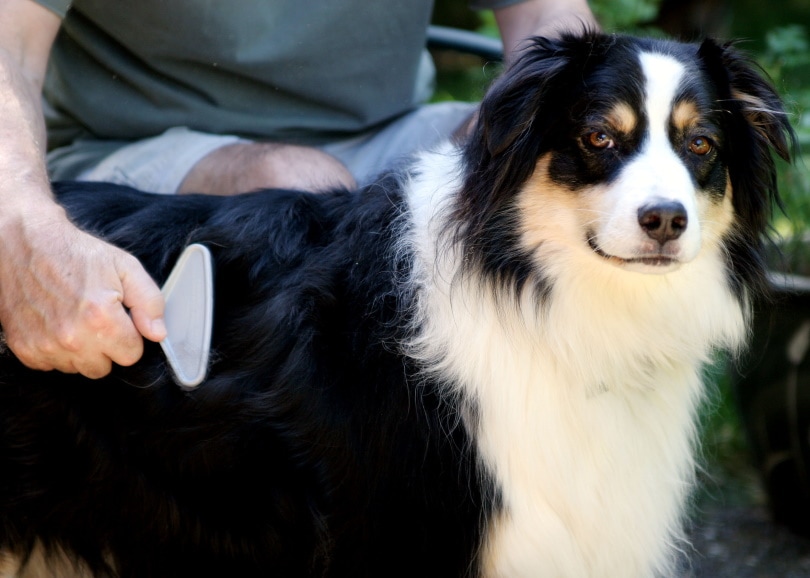
As a devoted dog lover, there‘s nothing quite like burying your fingers in the soft, fluffy coat of a long-haired dog. From elegant Afghan Hounds to bouncy Bearded Collies, long-haired breeds are prized for their beautiful, flowing locks. But ask any owner of a Pekingese or Pomeranian and they‘ll tell you—that gorgeous coat doesn‘t maintain itself!
Regular brushing is an essential part of grooming for long-haired dogs. Not only does it keep the coat looking fabulous, it also plays a key role in maintaining your dog‘s overall health and comfort. Brushing removes loose fur and dander, prevents painful mats and tangles, stimulates blood flow to the skin, and helps distribute the natural oils that keep the coat shiny and healthy.
So, how much brushing is enough? According to a recent survey by the American Pet Products Association, only 63% of dog owners brush their dog‘s coat weekly or more often. However, most groomers and veterinarians recommend that long-haired dogs be brushed at least 2-3 times per week, if not daily. The exact frequency will depend on your dog‘s coat type, length, and thickness, as well as their lifestyle and activities.
On average, long-haired dog owners spend about 30-60 minutes per week brushing their dog‘s coat. While that may seem like a lot of time, regular brushing saves you the hassle of dealing with severe matting and tangling down the road. Plus, it‘s a great opportunity to bond with your furry friend and give them some extra love and attention!
Understanding Your Dog‘s Coat Type
Before we dive into the different types of brushes, it‘s important to understand your dog‘s coat type. There are two main types of coats: single and double.
Single-coated breeds (like Maltese, Yorkshire Terriers, and Shih Tzus) have hair that grows continuously and doesn‘t shed much. The hair is usually fine, silky, and prone to tangling.
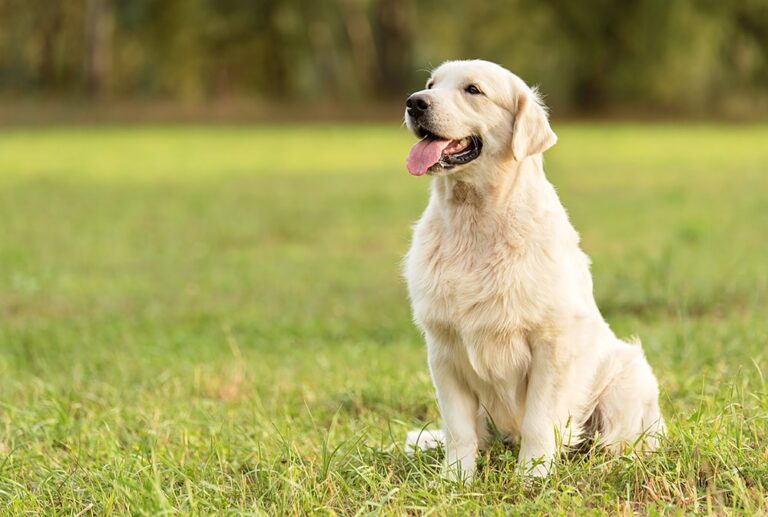
Double-coated breeds (such as Samoyeds, Malamutes, and Golden Retrievers) have a dense, fluffy undercoat that sheds seasonally, topped with a longer, coarser topcoat. The undercoat serves as insulation to keep the dog warm in winter and cool in summer.
Different coat types have different brushing needs. Single coats require frequent brushing to prevent mats, while double coats need extra attention during shedding season to remove the loose undercoat. Keep your dog‘s coat type in mind when choosing brushes and determining a grooming routine.
Types of Brushes for Long-Haired Dogs
With so many different brushes on the market, it can be overwhelming trying to choose the right one for your long-haired dog. Here‘s a breakdown of the most common types of brushes and their uses:
1. Slicker Brushes
Best for: Removing mats, tangles, and loose fur
A slicker brush is a must-have tool for any long-haired dog owner. It features a flat or slightly curved head with rows of thin, tightly-spaced wire pins. The pins are usually angled or have protective nubs on the tips to prevent scratching the skin.
Slicker brushes are excellent for working through mats and tangles, as the thin pins can penetrate deep into the coat. They also help remove loose undercoat during shedding season. Use a slicker brush for your regular brushing sessions 2-3 times per week.
Our top slicker brush picks for 2024:
-
Chris Christensen Big G Slicker Brush: This high-quality brush is a favorite among professional groomers. It has long, slightly bent pins that are great for thick, dense coats. The cushioned pad is gentle on the skin, and the ergonomic handle reduces wrist strain during long brushing sessions.
-
Hertzko Self-Cleaning Slicker Brush: The retractable pins on this brush make cleaning a breeze—just push the button and wipe away the fur! It comes in two sizes (small/medium and medium/large) to accommodate different coat lengths and thicknesses.
2. Pin Brushes
Best for: Detangling, fluffing, and finishing
Pin brushes have long, widely-spaced metal pins mounted on a soft rubber or plastic cushion. The pins are usually capped with rounded plastic or rubber tips to protect the skin. Pin brushes look similar to human hair brushes.
These brushes are gentler on the skin and coat than slicker brushes, making them a good choice for dogs with sensitive skin or thin, delicate coats. They are useful for detangling minor knots and adding volume and fluff to the coat after a thorough brushing with a slicker.
Our top pin brush picks for 2024:
-
Safari Wire Pin Brush: This affordable pin brush has long, sturdy pins that work well on medium to long coats. The soft plastic tips are gentle on the skin, and the textured handle provides a comfortable grip.
-
Chris Christensen Oval Pin Brush: Another high-quality option from Chris Christensen, this pin brush features extra long, polished pins that penetrate deep into thick coats. The lightweight beechwood handle is comfortable to hold during long grooming sessions.
3. Bristle Brushes
Best for: Finishing and adding shine
Bristle brushes have densely-packed natural or synthetic bristles, similar to a human hairbrush. They are best used as a finishing brush to smooth the coat and distribute natural oils for a shiny, healthy-looking finish.
Bristle brushes aren‘t as effective at removing mats and tangles as slicker or pin brushes, so they shouldn‘t be relied on for primary brushing. They work best on dogs with long, straight coats without a thick undercoat.
Our top bristle brush pick for 2024:
- JW Pet Gripsoft Bristle Brush: The soft plastic bristles on this brush are gentle on the skin and coat. The non-slip ergonomic handle is comfortable to hold.
4. Undercoat Rakes
Best for: Removing loose undercoat
Undercoat rakes have long, curved metal teeth that penetrate deep into double-coated breeds to remove loose, dead undercoat. They are an essential tool for breeds like Samoyeds, Malamutes, and German Shepherds that shed heavily.
To use an undercoat rake, gently pull it through the coat in the direction of hair growth. Be careful not to apply too much pressure, as the sharp teeth can scratch the skin. Undercoat rakes should be used as needed during heavy shedding periods, not as an everyday brush.
Our top undercoat rake pick for 2024:
- FURminator Undercoat Deshedding Tool: This popular deshedding tool has stainless steel teeth that effectively remove loose undercoat without damaging the topcoat. It comes in different sizes to suit all coat lengths and thicknesses.
5. Combs
Best for: Finishing and fluffing
A wide-toothed comb is a useful finishing tool for long-haired dogs. Combs can help detangle small knots, fluff up the coat after brushing, and smooth out long feathering on the legs and tail.
Look for a comb with long, widely-spaced metal teeth that can penetrate through the coat without snagging. Many groomers swear by Greyhound-style combs.
Our top comb pick for 2024:
- Andis Steel Pet Comb: This sturdy stainless steel comb has both fine and coarse teeth for versatility. The teeth are smoothly rounded to avoid scratching the skin.
Brushing Tips and Techniques
Now that you‘re equipped with the right tools, it‘s time to put them to use! Here are some tips and techniques to make brushing your long-haired dog a pleasant experience for both of you:
-
Brush in the direction of hair growth, starting at the head and moving downward. This helps prevent tangles and breakage.
-
Work in small sections, parting the hair with your fingers to make sure you‘re brushing all the way down to the skin. Don‘t forget often-overlooked areas like the armpits, groin, and behind the ears.
-
Use long, gentle strokes with light pressure. Brushing too hard can be painful and lead to skin irritation.
-
If you encounter a mat, don‘t yank on it with the brush. Instead, use your fingers or a dematting tool to gently pick apart the tangle. You may need to cut out severe mats with scissors—be very careful not to cut the skin!
-
Take extra care when brushing sensitive areas like the face, ears, paws, and tail. Use a soft-bristled face brush or comb and be extra gentle.
-
Make brushing a positive experience for your dog by offering plenty of praise, petting, and treats. If your dog seems anxious or uncomfortable, take a break and try again later.
-
Brush your dog on a regular schedule to prevent mats and tangles from forming. Aim for at least 2-3 thorough brushing sessions per week, plus quick daily touch-ups if needed.
Health Benefits of Regular Brushing
Brushing your long-haired dog isn‘t just about keeping them looking pretty. Regular brushing offers several important health benefits:
-
Reduced shedding: Brushing removes loose fur before it has a chance to fall out on your furniture, floors, and clothing. This is especially important for double-coated breeds that shed heavily.
-
Skin health: Brushing stimulates blood flow to the skin, which promotes healthy oil production and helps distribute those oils throughout the coat. This can help prevent dry, flaky skin and other dermatological issues.
-
Early detection of health problems: Regular brushing gives you a chance to examine your dog‘s skin and coat up close. You may notice early signs of problems like fleas, ticks, skin infections, lumps, or sores that warrant a trip to the vet.
-
Comfort: Mats and tangles can be painful for your dog, especially if they form close to the skin. Regular brushing prevents these uncomfortable knots from developing.
-
Bonding time: Many dogs enjoy the gentle massage and attention that comes with brushing. It‘s a great way to strengthen your bond and show your pup some extra love!
Professional Grooming for Long-Haired Dogs
Even if you‘re diligent about brushing at home, most long-haired dogs can benefit from professional grooming every 4-8 weeks. A professional groomer can thoroughly bathe and blow-dry your dog, trim their nails, clean their ears, and give them a haircut if needed.
The cost of professional grooming varies depending on your location, the size of your dog, and the complexity of the grooming required. On average, expect to pay between $30 and $90 for a basic grooming session. Show cuts or extensive dematting may cost more.
When choosing a groomer, look for someone with experience grooming your dog‘s specific breed. Ask for recommendations from your veterinarian, breeder, or other long-haired dog owners. Schedule a meet-and-greet visit before the first grooming session to ensure your dog is comfortable with the groomer and facility.
Frequently Asked Questions
Q: How often should I brush my long-haired dog?
A: Most long-haired dogs need to be brushed at least 2-3 times per week, but daily brushing is ideal for preventing mats and tangles. The exact frequency depends on your dog‘s coat type, length, and thickness.
Q: What‘s the best brush for a dog with a thick, double coat?
A: A slicker brush is essential for working through the dense undercoat of double-coated breeds. An undercoat rake can also be helpful during heavy shedding periods.
Q: Can I use human hair brushes on my dog?
A: While some human brushes (like pin brushes) can be used on dogs, it‘s best to use brushes specifically designed for canine coats. Dog brushes are designed to handle thicker, coarser hair and are gentler on sensitive dog skin.
Q: My dog hates being brushed. What can I do?
A: Try to make brushing a positive experience by offering plenty of praise, petting, and treats. Use gentle, light pressure and take breaks if your dog seems stressed. If your dog is very fearful or anxious, consult with a professional groomer or veterinary behaviorist for guidance.
Q: How can I tell if my dog‘s coat is healthy?
A: A healthy coat should be shiny, soft, and free of mats, tangles, and excessive shedding. The skin beneath the coat should be clean and free of flakiness, redness, or irritation. Regular brushing and a nutritious diet are key to maintaining a healthy coat.
Final Thoughts
As a long-haired dog owner, investing in the right brushes and grooming tools is essential for keeping your furry friend looking and feeling their best. Remember, brushing isn‘t just about aesthetics—it‘s also important for your dog‘s overall health and comfort.
By establishing a regular brushing routine, using the appropriate tools for your dog‘s coat type, and keeping up with professional grooming as needed, you can ensure your long-haired pup stays tangle-free, healthy, and happy for years to come.
So go ahead and splurge on that high-quality slicker brush or treat your pup to a spa day with a professional groomer. Your dog (and your furniture) will thank you!