The 10 Most Popular Large Dog Breeds in 2026
Large dog breeds have a commanding presence and a big place in our hearts. While small dogs may be trending, many of America‘s most beloved breeds are those on the larger side, typically weighing over 55 pounds. Big dogs are popular pets for those who want a more substantial canine companion to share their homes and lives with.
As a veterinarian, I see firsthand how adored many large dog breeds are. While extra-large dogs come with some additional responsibilities, they offer supersized affection, loyalty, and enjoyment for the right owners. Certain large breeds consistently rank among the most popular dogs in the United States year after year according to American Kennel Club (AKC) registration statistics.
Here‘s a closer look at the top 10 most popular large dog breeds so far in 2024, including key characteristics, personality traits, and what makes them so sought-after as pets. Keep in mind that dogs are individuals and all will have their own unique qualities, but these are general traits associated with each breed.
1. Labrador Retriever
The Labrador Retriever is America‘s sweetheart, topping the AKC‘s popular breed list for over 30 years. These friendly, outgoing dogs make wonderful family pets due to their even temperament, trainability, and adaptability.
Labs have a sturdy, athletic build, weighing 55-80 pounds and standing 22-24 inches tall. Their short, dense coat comes in yellow, black, and chocolate. As a retrieving breed, they love carrying toys and objects in their mouths.
A Lab‘s gentle nature and eagerness to please makes the breed excel as service dogs, therapy dogs, and family companions. These intelligent dogs need daily exercise and ongoing training to be at their best. Common health issues include hip and elbow dysplasia and obesity, so responsible breeding and maintaining a healthy weight is important.
2. German Shepherd
The noble German Shepherd ranks second in popularity among all dog breeds. Weighing 50-90 pounds with a height of 22-26 inches, GSDs have a muscular, athletic build and a regal stance. Their thick double coats are most commonly black and tan.
German Shepherds were originally bred as herding dogs and are now often utilized as working K-9s in the military and police. They have strong protective instincts, loyalty, and trainability. As pets, GSDs bond closely with their families and need consistent training and socialization to develop into well-rounded companions. They have high exercise needs and thrive with active owners.
Devoted and discerning, German Shepherds are excellent watchdogs but can be aloof with strangers. Potential health problems include hip dysplasia, degenerative myelopathy, and gastric dilatation volvulus (bloat). German Shepherds are steadfastly popular due to their versatility, intelligence, and companionship.
3. Golden Retriever
Golden Retrievers are known for their flowing gold coats and sunny dispositions. They typically weigh 55-75 pounds with a height of 21-24 inches. Goldens were bred as gun dogs to retrieve waterfowl, which is why they tend to have "soft mouths" and enjoy carrying toys and objects.
This breed‘s hallmark is its friendly, tolerant attitude. Golden Retrievers are outgoing, playful, and trustworthy with children, making them a top family dog. They are also popular as service dogs, therapy dogs, and emotional support animals due to their caring demeanors and trainability.
Like Labs, Goldens need plenty of daily exercise and thrive with regular training. They can have a high prey drive and tendency to mouth objects. These affectionate, adaptable dogs do best with active families who can give them ample attention and exercise. Health-wise, Goldens are prone to hip and elbow dysplasia, hypothyroidism, and certain cancers. Responsible breeders screen for health issues.
4. Rottweiler
Powerful and protective, Rottweilers make vigilant guardians and loyal companions. Male Rotties can weigh up to 135 pounds, with females being somewhat smaller. They have muscular, mastiff-like frames and short black coats with rust to mahogany markings.
Rotties were originally bred to drove cattle and pull carts. They are confident dogs with innate guarding instincts. With family, they are affectionate and playful. But they may be suspicious of strangers, making socialization critical. Rottweilers need experienced owners who can provide firm, consistent training.
As a large working breed, Rotties require plenty of daily exercise. They are prone to boredom and destructive behaviors without enough activity and enrichment. Potential health issues include hip dysplasia, eye problems, and certain cancers. This majestic breed‘s popularity stems from their protectiveness, loyalty, and strength. With responsibly breeding and ownership, Rottweilers are magnificent companions.
5. Great Dane
Tall, powerful, and elegant, Great Danes were bred as noble estate guardians. Also known as the "Apollo of dogs," Great Danes are true gentle giants. Males stand at least 30 inches at the shoulder and can weigh up to 175 pounds, with females being somewhat smaller.
Despite their imposing size, Great Danes are known for being sweet, affectionate, and mild-mannered. They are moderately playful and do well with children. They have lower exercise needs than many large breeds and are often fairly docile house dogs, though they still need daily walks.
Great Danes don‘t have long lifespans, averaging 7-10 years. They are prone to hip dysplasia, gastric torsion, cardiomyopathy, and bone cancers. Careful breeding minimizes risks, but their large frames make them more prone to orthopedic problems and shorter lifespans.
These majestic dogs are popular pets for their sweet, dependable nature and gentle presence. They are best suited for a house with plenty of space. But they are adaptable, people-oriented dogs who enrich the lives of their humans with their outsized hearts.
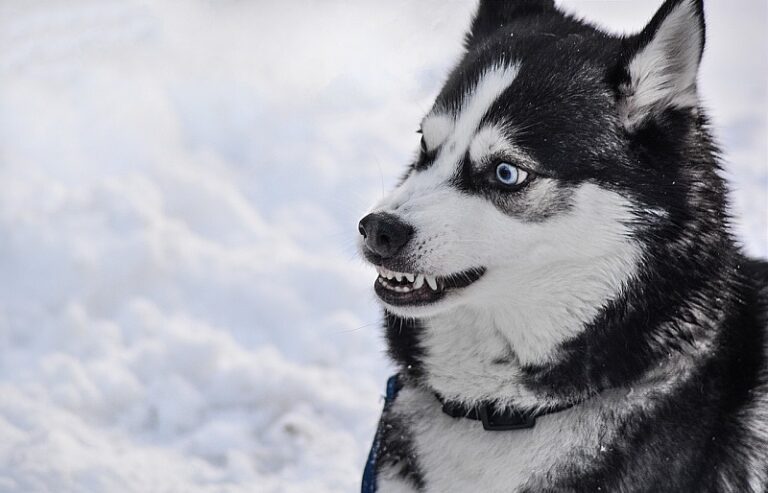
6. Siberian Husky
The striking Siberian Husky has a wolflike appearance, with a thick double coat, erect ears, and almond-shaped eyes that are often blue. They typically weigh 35-60 pounds and have a graceful yet strong demeanor.
Huskies were originally bred as working sled dogs, prized for their endurance and ability to thrive in cold climates. They are pack-oriented with strong predatory instincts. While they are friendly and outgoing, they have an independent nature and are not as eager to please as some breeds.
As pets, Huskies are playful and energetic. They need ample daily exercise to be happy and prevent destructive behaviors. Huskies tend to be escape artists and have high prey drives, so secure fencing is a must. They also need regular brushing and "blow" their coats twice yearly.
Huskies are prone to eye issues, hip dysplasia, and hypothyroidism. Their popularity surged due to Game of Thrones, but many were relinquished to shelters by unprepared owners. Huskies are still beloved for their beauty and spirited nature, but they are best for experienced, active owners.
7. Doberman Pinscher
The Doberman Pinscher is an athletic, muscular breed with a sleek coat, typically in black or red with rust markings. Males stand up to 28 inches and weigh 75-100 pounds, with females being somewhat smaller.
Dobermans were first bred as personal protection dogs in Germany. Their alertness, loyalty, and trainability make them outstanding watchdogs and companions. Although they are often stereotyped as aggressive, Dobermans are gentle and devoted with proper training and socialization.
As a high-energy working breed, Dobermans need lots of daily exercise and mental stimulation. They excel in obedience, agility, and scent work. They are sensitive dogs who thrive on human companionship. Common health issues include dilated cardiomyopathy, cervical vertebral instability (Wobbler‘s syndrome), hip dysplasia, and certain cancers.
The Doberman‘s sleek beauty and devoted nature make them popular pets. But they need committed owners who will put in the time for training and daily exercise. With responsible breeding and care, Dobermans are magnificent lifelong companions.
8. Boxer
The Boxer is a popular dog breed known for its playful nature, high energy level, and distinctive "boxing" front paws. Males typically weigh 65-80 pounds, with females being somewhat smaller. They have a muscular build, short muzzle, and alert expression.
Boxers were originally bred in Germany for dog fighting and bull baiting. Today, they are beloved companions who bond closely with their humans. They tend to be energetic, playful, and patient with children. As a bright breed, they learn quickly and enjoy having a job to do.
Boxers need at least an hour of vigorous daily exercise and plenty of interaction with their people. A bored Boxer is prone to destructive behaviors like chewing. They also tend to be "mouthy," carrying objects and toys around. Potential health issues include hip dysplasia, heart conditions, thyroid problems, and certain cancers.
With their clownish antics and affectionate nature, it‘s easy to see why Boxers are so popular. These energetic, loyal dogs do best with active families who will give them plenty of exercise, training, and attention.
9. Cane Corso
The Cane Corso is a large, muscular breed that has surged in popularity in recent years. Also known as the Italian Mastiff, the Corso was originally bred as a guard dog and hunter. Males stand 25-27.5 inches and weigh up to 110 pounds, with females being slightly smaller.
Corsi are confident, brave, and intensely loyal. They bond closely with their families and are naturally protective. With their people, they are affectionate and eager to please. But they can be territorial and distrustful of strangers, so socialization is key.
As a powerful working breed, the Cane Corso needs knowledgeable owners who are committed to training and socialization. They require plenty of daily exercise, especially as young dogs. Potential health issues include hip dysplasia, eye problems, and bloat.
While Cane Corsi are not for novice owners, they are valued personal protection dogs and devoted family guardians in the right hands. These noble, muscular dogs turn heads and are becoming increasingly popular for their loyalty, strength, and distinctive mastiff appearance.
10. Mastiff
The Mastiff, also called the English Mastiff or Old English Mastiff, is a giant breed dog known for its colossal size and gentle demeanor. Male Mastiffs stand at least 30 inches tall and can weigh up to 230 pounds, making them one of the heaviest dog breeds.
Mastiffs are descended from ancient war dogs but are now known for their calm, loving personalities. They are affectionate with family and good with children. As adults, they tend to be quiet and not highly active, though they still need regular exercise.
Their massive size comes with downsides—Mastiffs eat a lot of food, take up a lot of space, and have relatively short lifespans of 6-10 years. They are prone to hip and elbow dysplasia, eye problems, heart disease, and bloat. Mastiffs drool and shed quite a bit.
Still, the Mastiff‘s gentle giant nature makes it a popular pet for those who want an extra-large, laidback companion. These noble, easygoing dogs are cherished for their outsized sweetness and family-friendly demeanor.
Owning a Large Dog Breed
While all dogs require a lifelong commitment, large dogs come with some special considerations:
-
Space requirements: Large breeds take up more space and may not be suitable for small homes or apartments. They can also knock over furniture or small children by accident.
-
Costs: Bigger dogs eat more food, need larger beds, crates, and toys, and often have higher medication costs—so budget accordingly.
-
Training needs: All dogs need training, but for large breeds it‘s crucial to have them under control for everyone‘s safety. Signing up for obedience classes is a wise investment.
-
Exercise requirements: Most large dogs need a minimum of 30-60 minutes of exercise daily. Some active breeds, like Huskies and German Shepherds, need even more.
-
Lifespan: Giant breeds like Great Danes and Mastiffs tend to have shorter lifespans than smaller dogs, typically living 6-10 years.
-
Laws and restrictions: Some cities, counties, HOAs, and landlords restrict certain large breeds, such as Rottweilers and Dobermans, due to stereotypes and liability concerns. Do your research before getting a large dog.
Of course, large breeds also offer supersized benefits—more to love, more to cuddle, and often a greater sense of security. Many large breeds, like Golden Retrievers, Labs, and Great Danes, make wonderful family pets due to their gentle, tolerant personalities. But potential owners still need to be prepared for the practical realities of living with a larger dog.
Getting a Large Breed Dog
If you feel that a big dog is right for you, take your time finding a reputable breeder or rescue organization. Observe adult dogs of the breed to get a sense of their size and presence in real life. In a litter of puppies, you can‘t necessarily predict which will be the biggest.
The American Kennel Club (AKC) and national breed clubs are great resources to learn more about different breeds and find responsible breeders. Adopting an adult dog from a rescue group lets you see their mature size and temperament. Either way, aim to meet the dog in person before deciding.
Lastly, invest in training and socialization from the start so that your large breed dog can be a safe, well-behaved companion. Proper exercise, training, and care will give you the most rewarding relationship with your big dog for many years to come.