Is an English Mastiff the Right Dog for You? A Dog Lover‘s Guide for First-Time Owners
As a lifelong dog lover and veterinarian, I‘m often asked my opinion on which breeds are best for novice owners. When it comes to the English Mastiff, the answer is not clear-cut. These giant, majestic dogs can be incredibly rewarding companions, but they also present some significant challenges—especially for first-timers. Let‘s dive into the details of Mastiff ownership so you can decide if this is the right breed for you.
The Majestic Mastiff: An Overview
The English Mastiff is an ancient breed, believed to have descended from the Alaunt and Pugnaces Britanniae war dogs of Roman times. By the Middle Ages, Mastiffs were being used as big-game hunters, livestock guardians, and estate protectors across Europe.
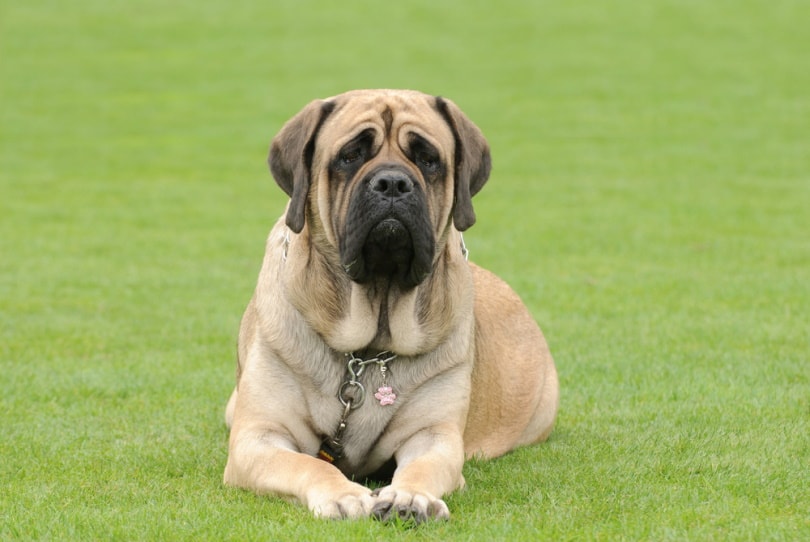
Today‘s Mastiff is a gentle giant, known for its calm demeanor and affectionate nature. These dogs are devoted to their families and make alert, protective watchdogs. With proper socialization, Mastiffs are friendly and welcoming to strangers, rarely showing shyness or aggression.
However, Mastiffs are not always easy to handle. They have an independent streak and can be quite stubborn at times. Novice owners may find these huge, strong-willed dogs a lot to manage without prior experience.
A Dog of Epic Proportions
One of the first things to know about Mastiffs is that they are seriously large dogs. Just how big do they get? Take a look at this growth chart:
| Age | Male Weight | Male Height | Female Weight | Female Height |
|---|---|---|---|---|
| Birth | 1-2 lbs | n/a | 1-2 lbs | n/a |
| 1 month | 10-25 lbs | n/a | 5-20 lbs | n/a |
| 2 months | 30-40 lbs | 17-20" | 20-35 lbs | 16-19" |
| 3 months | 40-60 lbs | 20-23" | 30-50 lbs | 19-21" |
| 6 months | 110-140 lbs | 27-30" | 75-110 lbs | 25-28" |
| 1 year | 150-180 lbs | 29-31" | 120-150 lbs | 27.5-29" |
| 2 years | 160-230 lbs | 30-32"+ | 120-170 lbs | 27.5-30"+ |
Source: Mastiff Club of America
As you can see, Mastiffs experience most of their growth in the first year, but continue filling out until age two or even three. A full-grown male can weigh well over 200 pounds and stand 32 inches or taller at the shoulder. Females are slightly smaller but still very large dogs.
Obviously, dogs of this size need lots of room to move around. Mastiffs do best in homes with ample indoor and outdoor space. At minimum, you‘ll want a house with 5,000+ square feet and a securely fenced yard for a Mastiff to stretch its legs. Tiny apartments are not suitable for this huge breed.
The Costs of Giant Dog Ownership
In addition to abundant space, Mastiffs also require a significant financial investment. As giant breed dogs, they have some special needs that can add up:
- Food: Mastiffs eat 6-10+ cups of high-quality food per day, which can cost $100 or more per month.
- Supplies: Everything from collars to crates to beds must be oversized (and pricier) to accommodate a Mastiff.
- Vet Care: Mastiffs are prone to a number of health issues (more on that later) and usually require more frequent vet visits and medications than smaller breeds. According to Embrace Pet Insurance, the average annual vet costs for a Mastiff are $3,000+.
- Grooming: Mastiffs have short coats and are average shedders, so frequent professional grooming isn‘t essential. However, their sheer size means that basic at-home grooming supplies like brushes and shampoo get used up quickly and need frequent replacing.
- Training: Enrolling in group obedience classes is highly recommended for Mastiffs, which can cost several hundred dollars per year. Private training may also be necessary to address specific issues.
All told, the average annual cost of owning a Mastiff can easily exceed $5,000 when you factor in food, supplies, vet care, grooming, training, and incidentals. Giant breeds are simply more expensive to care for than smaller dogs.
Training and Socialization: Starting Early
All dogs need proper training and socialization, but it‘s especially important to start early with a breed as large and strong as the Mastiff. The goal is to raise a well-mannered gentle giant, not an unruly, oversized puppy!
Mastiff puppies should start with basic training and socialization from 8-12 weeks old. Puppy kindergarten classes are a great way to get your Mastiff used to being around other dogs and people while learning foundation skills like sit, down, and come.
As your Mastiff grows, continue with group obedience classes to build and refine their training. These powerful dogs need a firm, consistent leader to thrive. Use positive reinforcement techniques like food rewards and praise to motivate your Mastiff without being overly harsh or physical.
Socialization should also be an ongoing process. Expose your Mastiff to as many new people, animals, sights, and sounds as possible, always ensuring interactions are positive and not scary or overwhelming for the dog. Well-socialized Mastiffs are confident, stable, and a joy to be around.
One note of caution: Avoid taking your Mastiff puppy to dog parks or other high-traffic pet areas until they are at least 4-6 months old and current on core vaccinations. Mastiffs are susceptible to parvovirus and other contagious illnesses that can be devastating to giant breed puppies.
Mastiff Health Concerns
Unfortunately, like many giant breeds, Mastiffs are predisposed to a number of health issues. According to the Mastiff Club of America, some of the most common problems seen in the breed include:
- Hip and elbow dysplasia
- Eye problems like cherry eye, entropion, and ectropion
- Hypothyroidism
- Von Willebrand‘s disease (a blood clotting disorder)
- Cancer, especially osteosarcoma and lymphoma
- Bloat (gastric dilatation volvulus)
- Cruciate ligament tears
- Arthritis
While not all Mastiffs will develop these conditions, it‘s important for owners to be aware of the risks. Buying from a responsible breeder who health tests their dogs can help minimize the likelihood of inherited diseases.
Mastiffs also have an unusually short lifespan for a dog of their size. In a 2010 survey of UK Kennel Club registered dogs, the median age at death for Mastiffs was just 6 years, with a range of 2-11 years. For comparison, the average lifespan for a Labrador Retriever is 10-12 years.
Real-Life Mastiff Experiences
Wondering what it‘s really like to live with a Mastiff? Here‘s what some current owners and breeders have to say:
"Owning a Mastiff is not for the faint of heart. They are wonderful, loving, loyal dogs, but they are also a lot of work. You have to be prepared for the sheer size and strength of these dogs, and be willing to put in the time to train and socialize them properly." -John S., Mastiff owner for 8 years
"Mastiffs are the epitome of a gentle giant. They are so sweet and good-natured, but they definitely have a stubborn side. They‘re not the easiest breed to train, but they are so worth the effort." -Lisa T., Mastiff breeder for 15 years
"If you‘re considering a Mastiff, my advice is to do your research and make sure you have the space, time, and financial resources to care for one of these giant dogs. They are not a good fit for everyone, but if you‘re up for the challenge, you‘ll be rewarded with the most loyal, loving companion imaginable." -Mike D., Mastiff owner for 5 years
Conclusion
Is an English Mastiff the right dog for a first-time owner? As we‘ve seen, it depends on your individual circumstances and willingness to take on the challenges of giant dog ownership.
Mastiffs can be wonderful companions, but they require abundant space, financial resources, and a significant time investment to train and care for properly. They have some stubborn tendencies and are not the easiest breed for a novice to handle.
If you have your heart set on a Mastiff and are prepared for the responsibilities of ownership, go into it with your eyes wide open. Carefully research the breed, find a reputable breeder, and start training and socialization from day one.
While Mastiffs may not be the ideal choice for all first-time dog owners, they can thrive in the right home with a dedicated, knowledgeable caretaker. These giant, noble dogs deserve the very best, and in return, they will shower you with a lifetime of love, loyalty, and gentle companionship.