The Bac Ha Dog: Vietnam‘s Legendary Fire Wolf
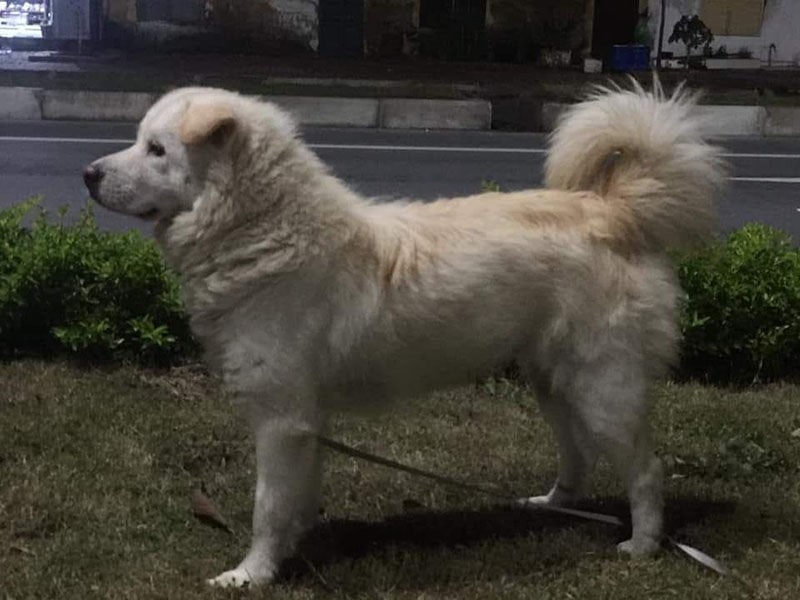
Nestled in the mist-shrouded mountains of northern Vietnam, a fierce and loyal companion has stood by the Hmong people for centuries. With a coat that flickers like flame and eyes that gleam with untamed spirit, the Bac Ha dog is a living legend. Also known as the "fire wolf," this rare breed is capturing the hearts of dog lovers across the globe with their unwavering devotion, keen intelligence, and unparalleled athleticism.
Breed Overview
The Bac Ha is a medium to large dog with males standing 22-26 inches (56-66 cm) at the shoulder and females slightly smaller at 20-24 inches (51-61 cm). A muscular, sturdy frame allows these agile canines to traverse rugged mountain terrain with ease. Adult Bac Has typically weigh between 35-58 pounds (16-26 kg).
One of the Bac Ha‘s most striking features is their diverse coat colors. While they can be white, black, gray, yellow or brindle, it‘s the rare "fire coat" – a vibrant reddish hue – that gives the breed its legendary "fire wolf" moniker. Fire coat Bac Has are born only about once in every ten litters.

History and Cultural Legacy
The origins of the Bac Ha are intertwined with the history of the Hmong people in Vietnam‘s northern highlands. According to local lore, the breed descended from a fearsome pack of red wolves that once roamed the mountains, renowned for their cunning and prowess as hunters. These wolves began breeding with local village dogs, passing on their strength, agility, and fierceness.
Over generations, the Hmong selectively bred these wolf-dog hybrids into an invaluable working companion. Bac Has became indispensable in hunts, especially in tracking and cornering dangerous wild boar. Their keen noses, stamina, and courage made them peerless hunters.
Equally important was the Bac Ha‘s role as a guardian. They fiercely protected Hmong households and livestock from predators and intruders, patrolling their mountain territory with tireless dedication. To this day, Bac Ha ownership conveys a certain status in Hmong villages.
Recognition of the Bac Ha as a distinct Vietnamese breed has been a source of national pride. In 2019, the Vietnam Kennel Association designated the Bac Ha as one of the country‘s four national breeds. Preservation efforts are underway to protect the purity of this ancient bloodline and celebrate the Bac Ha as a cherished part of Vietnam‘s cultural heritage.
Temperament and Behavior
The Bac Ha‘s lineage as a hunter and guardian defines much of their temperament. Courageous, alert, and fiercely protective, Bac Has make peerless watchdogs with an aloof wariness toward strangers. Early and extensive socialization is crucial to harness these guarding instincts into appropriate behaviors.
With their families, Bac Has are known for forming incredibly deep bonds. They thrive on companionship and are happiest when treated as a respected partner in adventure and work. These dogs live to be given a job, whether that‘s herding livestock, joining a hunt, or competing in agility sports.
"Bac Has are not for the faint of heart, but in the right hands, their loyalty is unmatched," says Mai Nguyen, a Hanoi-based veterinarian specializing in the breed. "They are whip-smart, eager to please, and have energy to outlast the most dedicated athletes and adventurers."
Bac Ha owner Tuan Anh shares a story highlighting their remarkable devotion:
"One evening, my Bac Ha Lua refused to come inside, insistently barking at what I thought was nothing. Only later did I discover she had cornered a venomous snake and stood guard all night to protect our family, never leaving her post."
Health and Care
Bac Ha dogs are generally a robust breed thanks to generations of selective breeding for function over form. However, like all breeds, they have some health concerns to watch for:
- Hip dysplasia
- Elbow dysplasia
- Bloat (gastric dilatation volvulus)
- Hypothyroidism
Responsible Bac Ha breeders strive to screen for these issues and prioritize the health of their lineages. When considering a Bac Ha puppy, ask for hip and elbow scores on the parents and look for a history of health testing in the pedigree.
With proper care, Bac Has have a typical lifespan of 12-14 years. Puppies should follow a large-breed growth diet to support steady development. Adults thrive on high-quality, protein-rich dog food to fuel their active lifestyles. Your veterinarian can recommend an ideal diet plan.
The breed‘s short double coat is relatively low-maintenance, requiring only weekly brushing and occasional baths. However, they will "blow coat" seasonally, shedding heavily as they transition from winter to summer fur. More frequent grooming can help manage this.
Training and Enrichment
As highly intelligent, work-oriented dogs, training and mental stimulation are paramount for a well-behaved Bac Ha. They excel in obedience, agility, scent work, and tracking tasks that challenge their body and mind.
Positive reinforcement methods work best for this sensitive, bond-oriented breed. An overly harsh or punitive approach will likely backfire and damage the trust between dog and handler. Patience, consistency, and an understanding of guardian dog psychology are key.
"Bac Has don‘t fully mature until 2-3 years old, so it‘s important to balance training with letting them be goofy, energetic youngsters," advises Minh Thu, a certified dog trainer in Da Nang. "Lean into their natural instincts with games like hide-and-seek and interactive puzzle toys."
Some enrichment ideas for Bac Has:
- Nose work games
- Kong toys stuffed with frozen treats
- Agility course obstacles
- Hiking and swimming adventures
- Herding ball play
- Clicker training sessions
Finding a Bac Ha
With growing international interest in the breed, demand for Bac Ha puppies far exceeds the supply. Waitlists of a year or more are common, and prices can range from $1000 to over $5000 for a fire coat pup.
As you search for a breeder, beware of scams and disreputable sources. Look for breeders registered with the Vietnam Kennel Association, prioritizing health testing, temperament, and the preservation of the breed‘s best qualities. Expect in-depth questions about your lifestyle and experience to ensure you‘re prepared for the commitment of a Bac Ha.
Rescuing an older Bac Ha is another option, though rare. Contact Bac Ha breeders and Vietnamese dog rescue organizations to express interest in adopting an adult dog in need of rehoming.
Is a Bac Ha Right for You?
As magnificent as the Bac Ha is, they are certainly not a dog for everyone. These high-energy, headstrong, intensely loyal companions demand much of their owners in time, patience, and dedication to training and socialization.
Bac Has are ill-suited for apartment life or novice owners. They crave space to roam, a sense of purpose, and a handler ready to match their physical and mental stamina. An under-stimulated, under-exercised Bac Ha will likely become destructive and difficult to control.
But for experienced handlers ready to embrace their spirit as a partner in adventure and work, the Bac Ha is the ultimate canine companion. With their courage, devotion, and larger-than-life personality, it‘s no wonder the breed has captured the hearts and imaginations of dog lovers worldwide.
Preserving the Bac Ha Legacy
As more people discover the allure of the Bac Ha, ethical preservation of the breed is a growing concern. In their ancestral mountain villages, Bac Has are still largely bred for function as hunters, herders, and guardians. But as demand for pet Bac Has rises, the risk of exploitative or slapdash breeding practices looms.
"Keeping the Bac Ha true to its roots as a healthy, hardy, work-driven companion is our highest priority," says Nguyen Van Anh of the Lao Cai Bac Ha Preservation Society. "We‘re working to establish breed standards that honor the dog‘s identity and to educate the public on responsible Bac Ha ownership."
Promoting the Bac Ha‘s working heritage is another key goal. Preservation groups encourage harnessing the breed‘s innate skills through sports like lure coursing, barn hunt, and herding trials. Negotiating access to ancestral hunting grounds for Bac Ha training is an ongoing effort.
On the cultural front, the Hmong community‘s deep pride in the Bac Ha is finding new outlets. Villages are hosting Bac Ha festivals with conformation shows, agility demos, and storytelling sessions passing down the lore of the fire wolves to younger generations.
As the wider world falls in love with the Bac Ha dog, the path forward is one of balance – a dedication to preserving the breed‘s essence while celebrating its potential to enrich the lives of devotees across the globe. With mindful stewardship, the fire wolf‘s legacy is sure to burn bright for generations to come.