The Black Bone Mouth Shar Pei: Ancient Heritage in a Rare Package

Have you ever seen a dog that looks like it stepped straight out of the pages of history? With their noble bearing, loose skin, and deeply wrinkled brow, the Shar Pei is a breed apart. But not all Shar Pei are created equal. The rare and ancient bone mouth type is the true dog of legend, tracing its roots back over 2000 years in China. As a dedicated dog lover and veterinarian, I‘m in awe of these extraordinary dogs and the legacy they represent.
A Breed Born of Necessity
The Shar Pei‘s story is one of survival against all odds. Developed in the southern Chinese countryside as an all-purpose farm dog, the breed was prized for its intelligence, strength, and fierce loyalty. Shar Pei served as guardians, hunters, herders, and pit fighters. Their loose skin and rough, sandpapery coat even acted as armor in battle.
As author Lili Wang describes in "Wrinkled History: The Shar-pei Dog," these early Shar Pei were lean, agile dogs well-suited to agricultural life. The famous wrinkles were looser on the head and neck, allowing the skin to shift and protect vulnerable areas during confrontations. This traditional variety is now known as the "bone mouth" due to its narrower muzzle and tighter skin compared to the more padded "meat mouth" show dogs of today.
Saved From Extinction
But the Shar Pei‘s very existence was threatened in the mid-20th century. When the People‘s Republic of China was established in 1949, dog ownership was heavily restricted and many breeds nearly disappeared. By 1978, the Shar Pei population had dwindled to dangerous lows, earning a place in the Guinness Book of World Records as the rarest dog breed.
Thankfully, a few dedicated breeders in Hong Kong and Taiwan worked to save the Shar Pei. A 1979 article in LIFE Magazine introduced the breed to American enthusiasts, sparking a meteoric rise in popularity. Thousands of Shar Pei were imported to the US, and the breed skyrocketed from near extinction to trendy status symbol.
However, this rapid rise came at a price. With a limited gene pool and huge demand for puppies, some breeders resorted to questionable practices. The traditional bone mouth Shar Pei was crossed with other breeds to exaggerate features like excessive wrinkling and a bulky head, resulting in the modern meat mouth type now prevalent in the show ring and as pets.
The Bone Mouth Standard
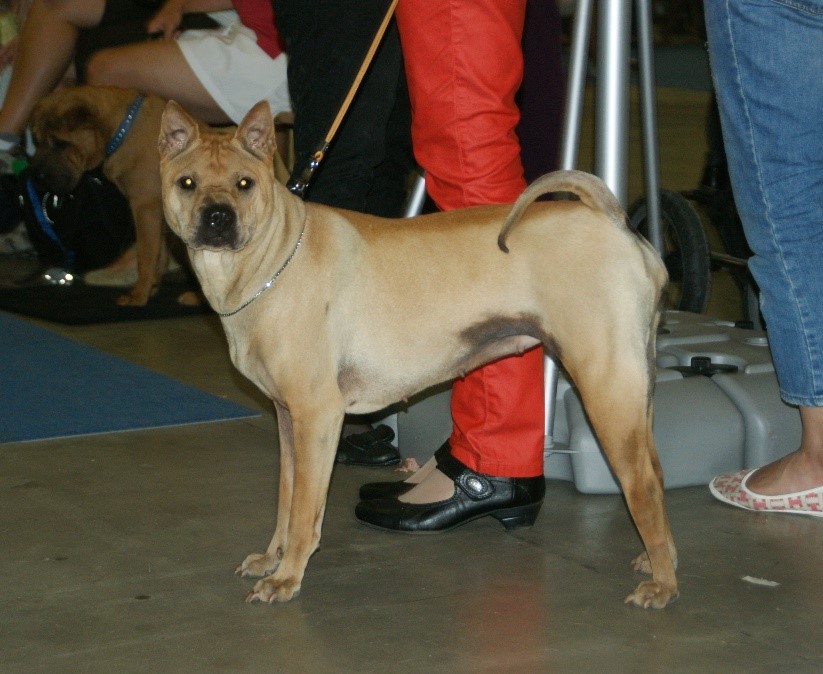
So what sets a true bone mouth Shar Pei apart? These dogs retain the lean, athletic build of their ancestors. Standing 18-20 inches tall and weighing 40-55 pounds, they have a compact frame with clean limbs and a tapering tail.
The trademark wrinkles are most prominent on the forehead, giving the bone mouth its noble, scowling expression. Additional folds of skin may appear on the neck and shoulders, but the body remains smooth and taut. The nose is a uniform dark blue-black, and the coat is short and bristly in shades of black, fawn, red, or cream.
In contrast, the modern meat mouth Shar Pei is a more substantial dog, topping 60-70 pounds with mass and bone. Excess skin drapes the body in deep folds, and the muzzle is broader with heavy padding. While some find the exaggerated look appealing, it comes with a host of health concerns.
Health and Care Considerations
As a veterinarian, I‘ve seen firsthand the problems caused by excessive wrinkling. Meat mouth Shar Pei are prone to skin infections, eye irritation from heavy folds, and breathing difficulties. A 2008 study in the Journal of Small Animal Practice found the median lifespan of meat mouth dogs to be just 6-8 years, while bone mouths regularly live 10-12 years with fewer health issues.
Regardless of type, all Shar Pei need regular grooming to keep their skin healthy. The wrinkles must be cleaned and thoroughly dried daily to prevent moisture buildup and infection. Nails should be trimmed short, and the tiny, folded ears checked frequently for signs of redness or odor.
Obesity is another concern, as excess weight puts strain on the joints and exacerbates skin problems. Shar Pei do well on a high-quality diet with moderate portions to maintain a trim physique, especially the more active bone mouth dogs.
Living with a Shar Pei
Despite their imposing appearance, Shar Pei are renowned for their calm, clean, and devoted nature. They are natural guardians who bond deeply with their families but can be aloof or even suspicious towards strangers. Early and ongoing socialization is essential to help them develop discernment and confidence in new situations.
While Shar Pei are highly intelligent, they have an independent spirit that can border on stubbornness. First-time owners may struggle with their strong-willed personality and potential for aggression if not properly trained. Bone mouth Shar Pei in particular need plenty of physical and mental exercise to channel their energy productively.
Shar Pei are best suited to a home with a dedicated, experienced owner who can provide consistent leadership and training. They thrive with a predictable routine and a securely fenced yard to patrol. While they can adapt to apartment living with sufficient stimulation, Shar Pei are not an ideal choice for busy households or those with young children who may invade their personal space.
Other pets are best added to the home while a Shar Pei is young and sociable. As adults, they can be territorial with dogs of the same sex and may view small animals as prey. Proper introductions and supervision are key to maintaining harmony in a multi-pet household.
Preserving a Legacy
Today, the vast majority of Shar Pei in the West are of the meat mouth type. The bone mouth remains a rare treasure, primarily found in its native China and among a handful of preservation breeders. Organizations like the Chinese Shar-Pei Club of America work to promote the traditional look as the breed standard and educate owners on responsible breeding practices.
"The bone mouth Shar Pei is the true heritage of the breed," says breeder Linda Lee. "These dogs have a presence and intelligence that is unmatched. When you look into their eyes, you can see the centuries of history reflected back."
As a lover of this ancient breed, I couldn‘t agree more. There is something truly special about the bone mouth Shar Pei, a living embodiment of the breed‘s proud past. Their nobility, loyalty, and enduring spirit are a testament to the enduring bond between humans and dogs.
If you are lucky enough to share your life with a bone mouth Shar Pei, cherish the rare gift you have been given. These extraordinary dogs deserve our protection and devotion, just as they have guarded and served us for generations. In a world of ever-changing trends and fancies, the bone mouth Shar Pei is a timeless symbol of resilience, beauty, and the power of the human-canine connection.